Friday, July 31, 2026

Trekking in Chiang Mai and National Parks Including Pha Daeng National Park

Trekking in Chiang Mai and National Parks Including Pha Daeng National Park

Explore trekking routes and natural wonders across Chiang Mai’s national parks with a focus on Pha Daeng National Park and nearby highlights
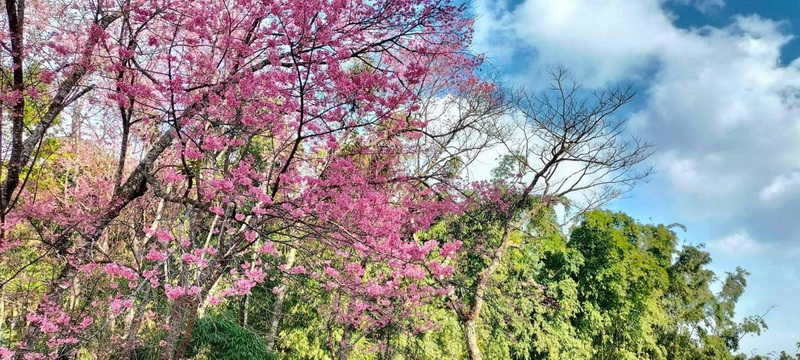
Pink blossom trees with blue sky and clouds above in a lush landscape at Pha Daeng National Park.

Trekking in Chiang Mai offers a remarkable opportunity to immerse yourself in the diverse landscapes and cultural heritage of northern Thailand. The region’s national parks provide a rich tapestry of trails, from dense jungle paths to mountainous terrain, catering to trekkers of all levels. Among these parks, Pha Daeng National Park stands out for its scenic beauty and unique ecological features, making it a must-visit destination for those seeking an authentic outdoor adventure. Located in Chiang Dao Chiang Mai, Pha Daeng National Park is part of a network of protected areas that showcase the natural splendor of the region. Its trekking routes offer a blend of challenging ascents and tranquil forest walks, allowing visitors to experience the biodiversity and serene atmosphere firsthand. The park’s proximity to other notable attractions such as Doi Luang Chiang Dao and Tham Chiang Dao enhances its appeal, providing additional exploration options within the same area. This guide focuses on trekking in Chiang Mai city and province with an emphasis on national parks, highlighting Pha Daeng National Park and its nearby attractions. Whether you are a seasoned trekker or a first-time visitor, understanding the terrain, trails, and practical considerations will help you prepare for a rewarding journey through some of northern Thailand’s most captivating natural environments.

Overview of Trekking in Chiang Mai City and Province

Chiang Mai province is renowned for its varied trekking opportunities, offering routes that traverse lush tropical forests, steep mountain ridges, and remote hill tribe villages. The city itself serves as a convenient base for accessing nearby national parks and trekking trails. Trekkers can find options ranging from half-day hikes suitable for beginners to multi-day expeditions that demand higher fitness and preparation. Travelers researching National Parks In Chiang Mai can use these details when planning the trip.

The region’s trekking landscape is shaped by its geography, with the northern area characterized by rugged mountains and dense jungle that support diverse flora and fauna. This natural setting invites exploration on foot, with trails often winding through bamboo groves, alongside waterfalls, and over rocky outcrops. The presence of indigenous hill tribe communities adds a cultural dimension to trekking experiences, although visitors are encouraged to approach these communities respectfully and without exoticizing their way of life.

In addition to scenic beauty, trekking in Chiang Mai offers ecological insights. Many trails pass through habitats for rare wildlife and endemic plant species, providing opportunities for nature observation and photography. The best trekking routes are well-marked but can vary in difficulty and length, so preparation and local guidance are advisable for a safe and enjoyable experience.
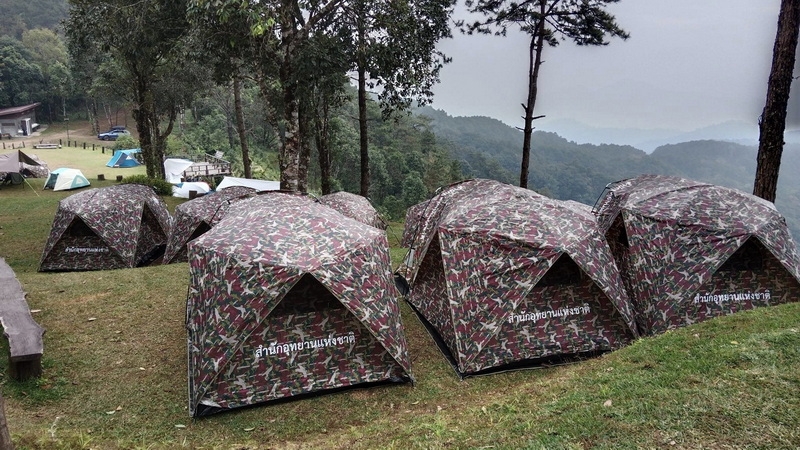
Camouflage tents pitched on grassy land with trees and mountain view in the background at Pha Daeng National Park.

Exploring Pha Daeng National Park: Terrain and Attractions

Pha Daeng National Park covers a significant area of mountainous forest in Chiang Dao Chiang Mai, featuring a mix of evergreen and deciduous forest ecosystems. The park’s terrain includes steep slopes, deep valleys, and rocky plateaus that create a varied trekking environment. Trails here often lead to panoramic viewpoints, waterfalls, and secluded natural spots that showcase the park’s biodiversity.

One notable feature of Pha Daeng is its network of trekking routes that range from moderate walks to more strenuous ascents. These trails allow visitors to experience the park’s rich vegetation, which includes a variety of hardwood trees, orchids, and medicinal plants. Birdwatchers can also enjoy sightings of native species, contributing to the park’s appeal as an ecological treasure.

Visitors to Pha Daeng should be prepared for changing weather conditions, as the elevation can lead to cooler temperatures and occasional rainfall. Trekking gear suited for uneven and sometimes slippery terrain is recommended. The park maintains a focus on conservation and responsible tourism, encouraging trekkers to minimize their environmental impact during their visit.

Trekking Trail Types and Terrain in Chiang Mai National Parks

The trekking trails in Chiang Mai’s national parks, including Pha Daeng, offer diverse terrain types that accommodate different trekking preferences and skill levels. Trails may range from forest paths lined with dense undergrowth to ridge walks with expansive views of the surrounding mountains. Some routes pass through bamboo forests or alongside streams, while others navigate rocky and steep sections requiring careful footing.
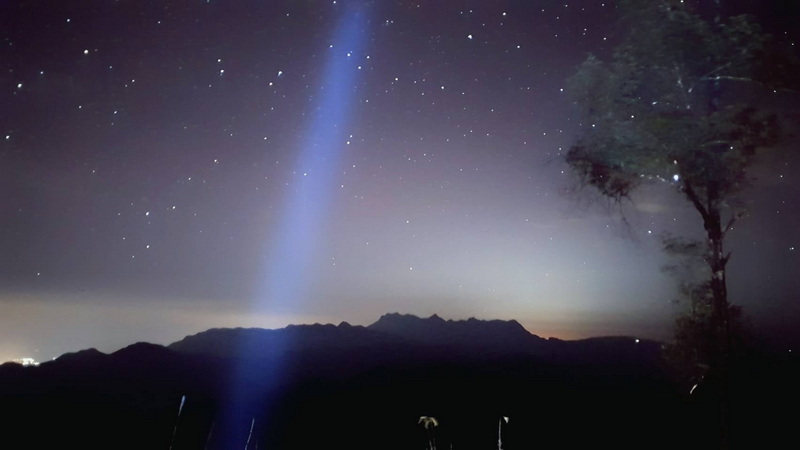
Starry night sky with a beam of light stretching upward above mountain silhouettes at Pha Daeng National Park.

Many trekking routes are loop trails or point-to-point paths connecting various natural landmarks such as waterfalls, caves, and hill tribe villages. The elevation changes can be significant, with some trails ascending to peaks that provide panoramic vistas of the Chiang Mai province landscape. These treks often take several hours to a full day, depending on the trail chosen and the pace of the trekker.

It is important for trekkers to be aware of trail conditions and weather, as some paths may become muddy or slippery during the rainy season. Proper footwear, hydration, and navigation tools are essential. While some trails are well-maintained and marked, others may require local guides, especially for longer or less frequented routes.

Practical Visitor Tips for Trekking in Chiang Mai National Parks

Before embarking on a trek in Chiang Mai’s national parks, including Pha Daeng National Park, it is advisable to plan carefully and consider your physical condition and experience level. Start with shorter, easier trails if you are new to trekking and gradually progress to more challenging routes as your fitness improves.
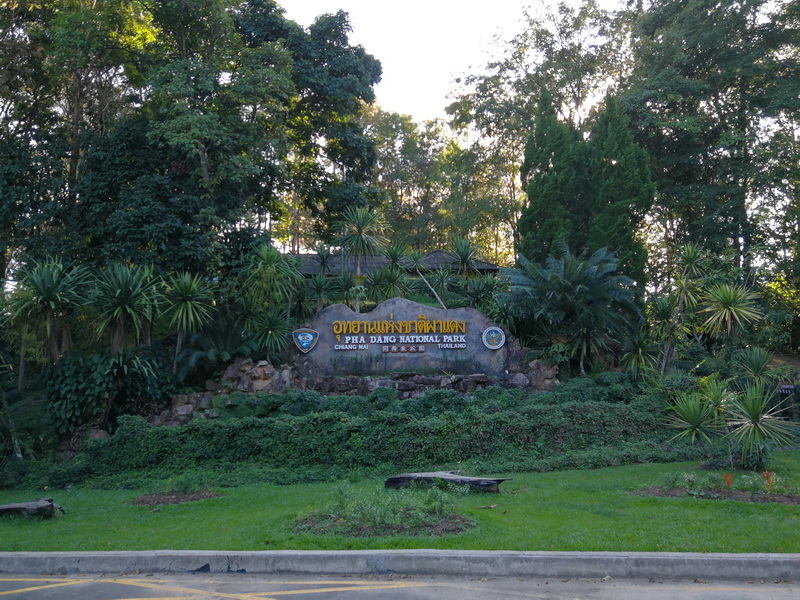
Park entrance sign surrounded by trees and lush plants in a green setting at Pha Daeng National Park.

Local weather can be variable, so dressing in layers and carrying rain protection is recommended. Trekking early in the morning is often best to avoid midday heat and to enjoy wildlife activity. It is also important to carry sufficient water, snacks, and a basic first aid kit.

Respect for the natural environment and local cultures is paramount. Avoid disturbing wildlife, refrain from littering, and stick to designated trails to minimize ecological impact. When encountering hill tribe communities, observe customs respectfully and avoid intrusive behavior, supporting sustainable tourism practices.

Engaging a local guide can enhance your trekking experience by providing insights into the flora, fauna, and cultural context. Guides can also ensure safety on unfamiliar or difficult trails and help navigate the terrain effectively.

Nearby Attractions

Doi Luang Chiang Dao
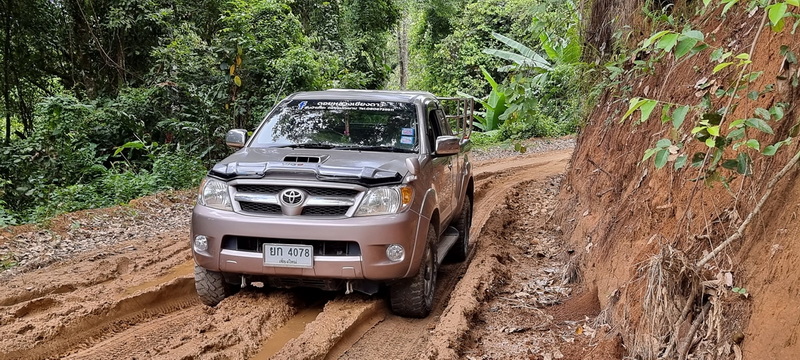
A pickup truck navigating a muddy forest trail with trees and foliage around it at Doi Luang Chiang Dao.

Doi Luang Chiang Dao is a prominent mountain and national park area located near Pha Daeng National Park, renowned for its rugged peaks and rich biodiversity. It is the third highest peak in Thailand and offers challenging trekking routes that attract experienced hikers. The area is home to rare bird species, diverse plant life, and cave systems that add to its natural allure.

Trekking in Doi Luang Chiang Dao involves traversing steep ascents and dense forests, with opportunities to explore local hill tribe villages along the way. The cooler climate at higher elevations provides a refreshing contrast to the lowlands, and the summit offers spectacular views of northern Thailand’s mountainous landscape.

Tham Chiang Dao
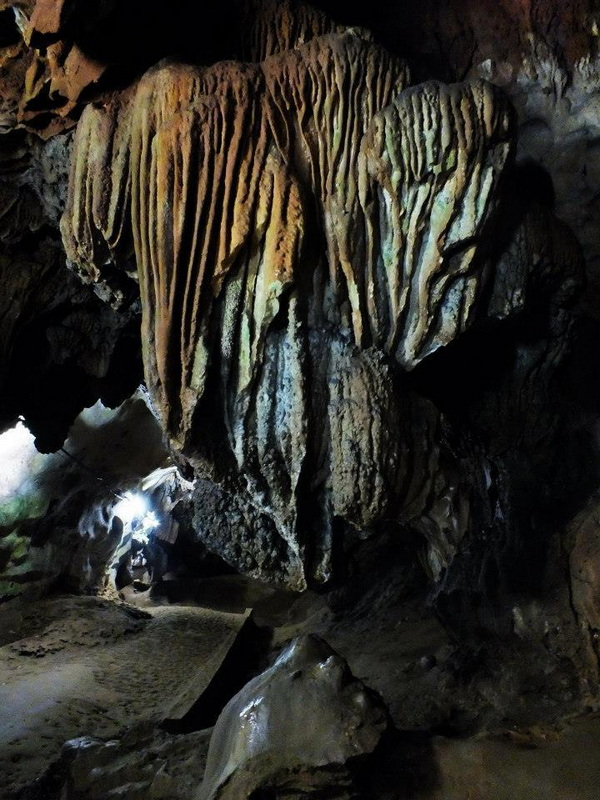
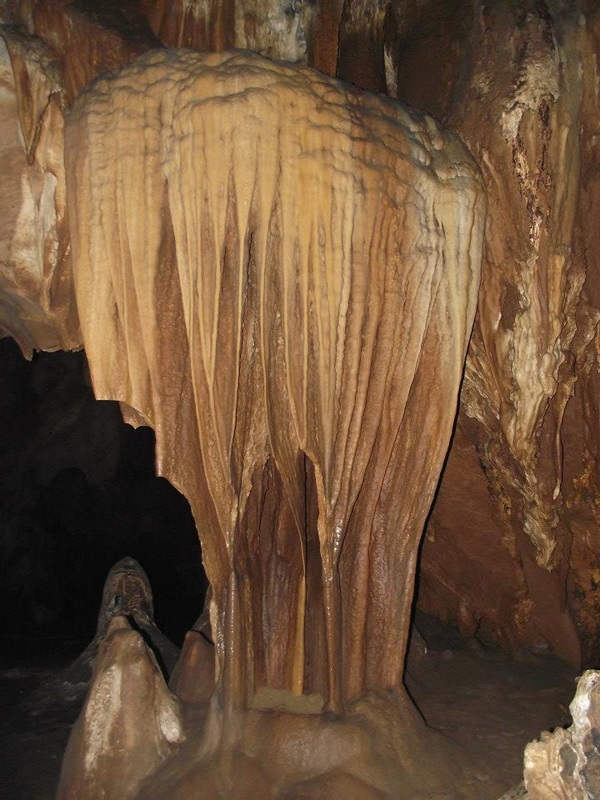
Inside a dark cave with large stalactites and uneven ground rocks at Tham Chiang Dao.

Tham Chiang Dao is a famous cave system located close to Pha Daeng National Park, known for its impressive limestone formations and spiritual significance. The cave complex features numerous chambers with stalactites, stalagmites, and underground streams, attracting visitors interested in geology and natural history.

Exploring Tham Chiang Dao provides a unique complement to trekking activities, offering a chance to discover subterranean landscapes and learn about the cave’s cultural importance to local communities. The surrounding area also has walking trails that connect with broader trekking routes in the Chiang Dao region.

Where the Experience Leads Next

Trekking in Chiang Mai and its national parks, especially Pha Daeng National Park, presents an enriching opportunity to connect with nature and the cultural heritage of northern Thailand. By understanding the terrain, respecting local communities, and preparing adequately, travelers can enjoy safe and memorable trekking experiences. The combination of varied trails, ecological diversity, and nearby attractions like Doi Luang Chiang Dao and Tham Chiang Dao ensures that every trekker finds something rewarding. With practical planning and an open mind, exploring these national parks becomes an inspiring journey into one of Thailand’s most captivating natural regions.

Thursday, July 30, 2026

Full Day Hiking and Traditional Village Experiences at Ban Yang Pu Toh Chiang Dao

Full Day Hiking and Traditional Village Experiences at Ban Yang Pu Toh Chiang Dao

Discover authentic village culture and rewarding hiking routes in the scenic Chiang Dao area

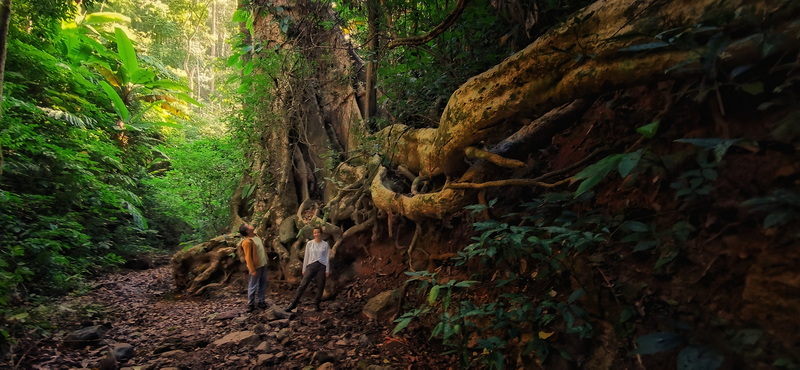
Two hikers on a rocky forest trail with large tree roots and green leaves at Ban Yang Pu Toh.

Nestled in the verdant hills of Chiang Dao Chiang Mai, Ban Yang Pu Toh offers a unique blend of natural beauty and rich cultural heritage. For those seeking a Chiang Dao full day hike and trekking experience, this traditional village provides an immersive journey into the lives of hill tribe communities surrounded by lush jungle and mountainous landscapes. Unlike quick day trips, exploring Ban Yang Pu Toh means engaging with a living culture while traversing trails that reveal the ecological diversity of the region. This area is recognized as one of the must visit places in Chiang Mai for travelers who appreciate both outdoor adventure and cultural depth. The village exemplifies traditional villages in Chiang Mai where customs, crafts, and community rhythms remain vibrant. Hiking here is not simply a physical challenge but a passage through history and nature, offering insights into sustainable village life and the environment. Understanding the cultural significance of Ban Yang Pu Toh enhances the trekking experience, making it much more than a scenic outing.

Exploring the Chiang Dao Full Day Hike and Trekking Experience

The trekking routes around Ban Yang Pu Toh are characterized by varied terrain, from dense jungle paths to open hilltop vistas. Full day hikes typically start early, allowing trekkers to appreciate the cooler morning air and the sounds of the forest awakening. The trails weave through rice terraces, bamboo groves, and patches of wild orchids, creating a constantly changing natural backdrop.

Hikers can expect moderate elevation changes, with opportunities to rest at small hill tribe settlements along the way. These stops offer a chance to witness daily village life and to understand how the community interacts sustainably with their environment. The paths are well-trodden but maintain an authentic wilderness feel, providing a sense of discovery while ensuring safety and accessibility for most hikers in good health.

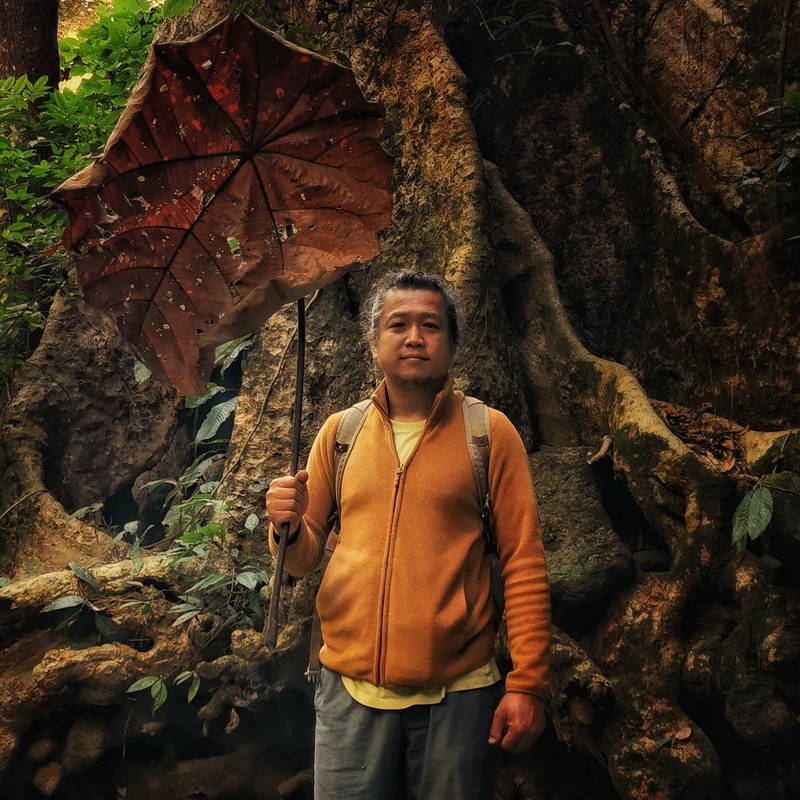
Person holding umbrella in a forest with large tree roots and greenery around at Ban Yang Pu Toh.

Environmental stewardship is evident throughout the area, as local villagers work to preserve natural resources and maintain trail cleanliness. This commitment enhances the trekking experience, allowing visitors to enjoy pristine surroundings and diverse wildlife habitats. The journey culminates with panoramic views of the surrounding mountain ranges, including the imposing silhouette of Doi Luang Chiang Dao, a nearby natural landmark that symbolizes the region’s rugged beauty.

Understanding Traditional Villages in Chiang Mai Through Ban Yang Pu Toh

Ban Yang Pu Toh stands out as an example of traditional villages in Chiang Mai where cultural heritage is carefully preserved and shared with respect. The residents are primarily hill tribe people, whose customs, dress, and crafts reflect centuries of adaptation to the mountainous environment. Visitors are encouraged to approach the village with cultural sensitivity, recognizing the community’s autonomy and dignity.

Daily life in Ban Yang Pu Toh revolves around agriculture, handicrafts, and communal activities. Visitors may observe traditional weaving techniques, participate in local ceremonies if invited, or simply enjoy conversations with villagers who are often eager to share stories about their history and environment. This cultural exchange enriches the trekking experience, grounding it in human connection rather than mere sightseeing.

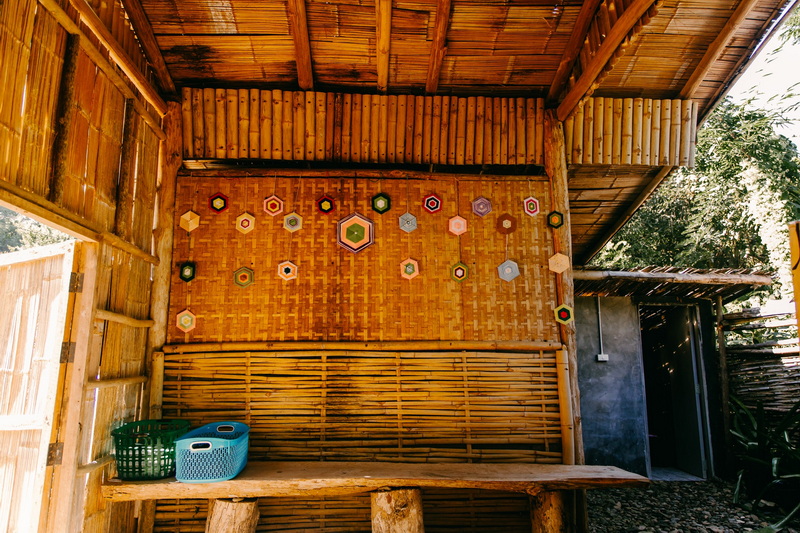
Bamboo wall interior with colorful hexagon decorations and wooden bench at Ban Yang Pu Toh.

Respect for local traditions includes mindful behavior such as seeking permission before photographing individuals and supporting the village economy through ethical purchases of handmade goods. Such interactions foster a deeper appreciation of the social fabric that sustains these mountain communities and highlight the importance of preserving intangible cultural heritage alongside natural landscapes.

Must Visit Places in Chiang Mai Region Near Ban Yang Pu Toh

The region surrounding Ban Yang Pu Toh is rich with attractions that complement the trekking and cultural experience. Among the must visit places in Chiang Mai near the village are Doi Luang Chiang Dao and Tham Chiang Dao. These sites offer additional opportunities for exploration and appreciation of northern Thailand’s ecological and geological diversity.

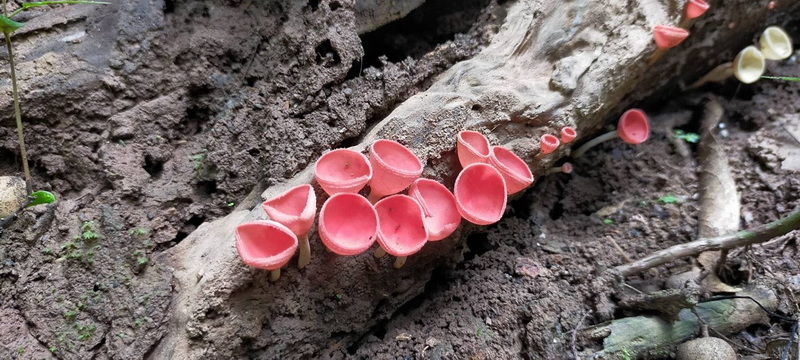
Close-up of pink cup fungi growing on a tree branch in natural soil environment at Ban Yang Pu Toh.

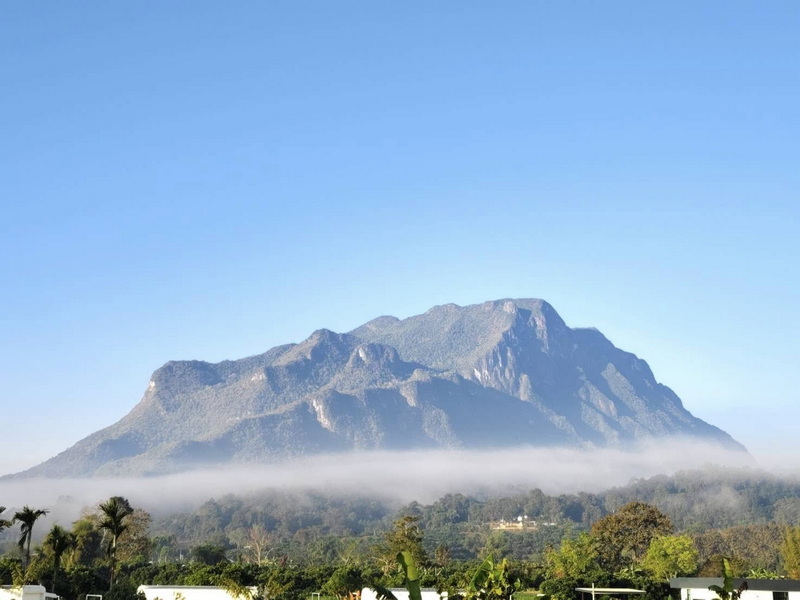
Doi Luang Chiang Dao, towering as the third highest peak in Thailand, is a striking natural landmark visible from many points in the area. Its limestone cliffs and caves are home to unique flora and fauna, making it a favored destination for nature lovers and seasoned hikers alike. The mountain’s spiritual significance to local communities also adds a layer of cultural interest.

Tham Chiang Dao is a vast cave system renowned for its impressive stalactites and stalagmites, as well as its role in local folklore. Visiting this cave provides insight into the geological history of the area while offering a cool respite from the tropical heat. Together, these nearby attractions enhance the overall experience of a full day hike by providing varied landscapes and points of interest beyond the village itself.

Nearby Attractions

Doi Luang Chiang Dao

Toyota pickup truck navigating a muddy forest trail surrounded by green trees at Doi Luang Chiang Dao.

Doi Luang Chiang Dao is an iconic mountain peak reaching over 2,000 meters in height, making it the third tallest in Thailand. It is a natural beacon for trekkers and nature enthusiasts visiting the Chiang Dao region. The mountain’s rugged terrain supports a diverse range of wildlife and plant species, some of which are endemic to the area.

The peak and its surrounding forested areas are often regarded with reverence by local hill tribe communities, who consider it a sacred site. Hiking routes up Doi Luang Chiang Dao offer challenging climbs and breathtaking views, rewarding those who venture beyond the main village trails.

Tham Chiang Dao

Large stalactite hanging inside a dark cave with light illuminating part of the interior at Tham Chiang Dao.

Tham Chiang Dao is a spectacular cave complex located near Ban Yang Pu Toh. Known for its vast chambers and impressive limestone formations, the cave attracts visitors interested in geology and natural wonders. The cool interior contrasts with the tropical climate outside, providing a unique environment to explore.

The cave holds cultural significance as well, with some areas used historically for meditation and spiritual practices. Guided visits often include explanations of local legends and the ecological importance of the cave system, enriching the visitor experience.

Where the Experience Leads Next

A full day hiking and trekking experience at Ban Yang Pu Toh offers more than just physical adventure; it is a gateway to understanding the interplay between nature and traditional village life in Chiang Dao. The trails invite exploration of biodiverse landscapes while the village itself embodies the living heritage of hill tribe communities. Respectful engagement with both environment and culture ensures that visitors gain meaningful insights and help sustain these authentic traditions for future generations. For travelers seeking a harmonious blend of active exploration and cultural immersion, Ban Yang Pu Toh stands as a compelling destination. Its proximity to remarkable natural landmarks like Doi Luang Chiang Dao and Tham Chiang Dao further enriches the experience, making this area one of the must visit places in Chiang Mai for those drawn to both trekking and heritage. By treading lightly and with curiosity, visitors can enjoy a journey that resonates deeply beyond the trails.

Wednesday, July 29, 2026

Lantern Tours and Must-Visit Cave Tours in Chiang Dao Cave

Lantern Tours and Must-Visit Cave Tours in Chiang Dao Cave

Discover the enchanting lantern tours and explore must-visit caves in Chiang Dao with nearby natural wonders

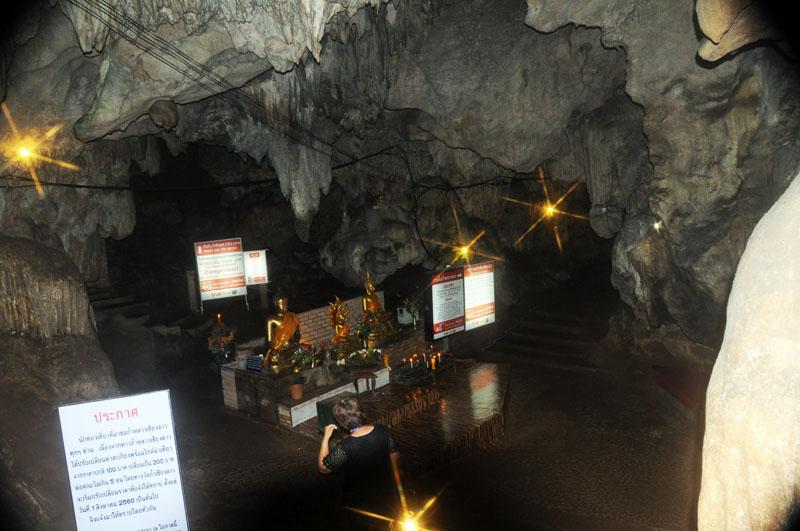
Inside a dark cave showing large stalactites and stalagmites with some light entering from an opening at Chiang Dao Cave.

Nestled in the serene landscape of northern Thailand, Chiang Dao Cave offers travelers a unique blend of natural wonder and cultural experience. One of the most captivating ways to explore this extensive cave system is through the Chiang Dao Cave Lantern Tour, where soft, flickering lantern light reveals the cave’s intricate limestone formations and sacred spaces in a magical glow. This tour not only highlights the geological marvels of the cave but also connects visitors with local traditions that respect the spiritual significance of the site. Beyond the lantern tours, Chiang Dao Cave is recognized as one of the must visit places in Chiang Mai, drawing nature lovers and cultural travelers alike. The broader Chiang Mai Cave Tours scene includes a variety of guided experiences that showcase the region’s rich karst landscapes and historical cave temples. Visitors can immerse themselves in the natural beauty, learn about the cave’s formation, and appreciate the delicate balance between exploration and preservation. Complementing the cave adventures, nearby natural attractions such as Ban Yang Pu Toh mineral hot springs and the towering Doi Luang Chiang Dao mountain enhance the appeal of this area. These sites offer opportunities for relaxation and trekking that perfectly round out a visit to Chiang Dao, making it an ideal destination for families, adventurers, and culture-focused travelers seeking a distinctive experience in northern Thailand.

The Enchanting Chiang Dao Cave Lantern Tour

The Chiang Dao Cave Lantern Tour is a truly distinctive way to experience one of northern Thailand’s most remarkable natural attractions. Unlike typical electric-lit cave tours, the lantern tour uses traditional lantern light to illuminate the cave’s chambers, creating an atmosphere of mystery and reverence. This soft, warm glow enhances the textures of stalactites and stalagmites, casting shadows that bring the cave’s formations to life and evoke a sense of wonder.

This tour is more than a visual spectacle; it offers insight into the cultural and spiritual importance of Chiang Dao Cave. Local guides often share stories about the cave’s role as a sacred site, where Buddhist shrines and statues are respectfully maintained within its chambers. Visitors are encouraged to move quietly and appreciate the cave’s tranquil ambiance, fostering a respectful connection to the site’s heritage.

Families with young children find the lantern tour especially memorable, as it combines adventure with a calm, immersive environment that sparks curiosity about nature and local culture. The guided experience also ensures safety and educational value, making it accessible for a wide range of travelers.

Overall, the lantern tour offers a rare glimpse into how natural beauty and cultural traditions intertwine, providing a meaningful and sensory-rich experience that stands out among Chiang Mai cave tours.

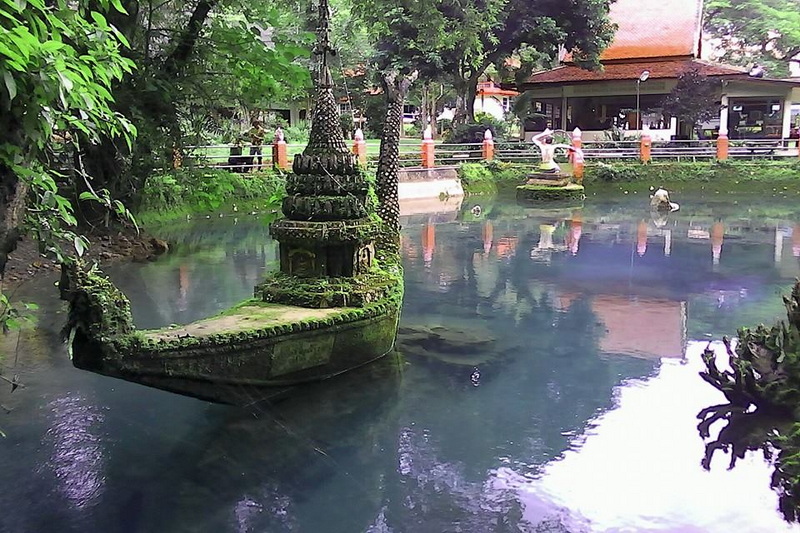
Small temple-like structure on a boat-shaped island with water and trees nearby at Chiang Dao Cave.

Must-Visit Cave Tours in Chiang Dao and Their Unique Features

Chiang Dao Cave is part of a vast limestone cave system that features multiple chambers and passages, each with its own unique formations and points of interest. Among the must-visit places in Chiang Mai, this cave system attracts explorers eager to witness its natural grandeur and spiritual landmarks.

Visitors can choose from a variety of guided cave tours that cater to different interests and levels of adventure. Some tours highlight the cave’s massive caverns filled with impressive stalactites and stalagmites, while others focus on the historic cave temples nestled inside. These temples, adorned with Buddha images and local religious artifacts, reveal the deep spiritual connection between the landscape and the communities that have revered it for generations.

One popular route includes a trek through the main cave chambers, passing by underground streams and rock formations shaped by millennia of geological processes. The tours often emphasize the importance of preserving the delicate cave ecosystem, educating visitors on the fragility of limestone formations and the need for responsible tourism.

For travelers seeking a more active experience, some tours extend into less accessible parts of the cave, offering a blend of hiking and light spelunking. These guided adventures highlight the cave’s biodiversity, including unique cave-dwelling creatures and the interplay of light and shadow in the subterranean environment.

Chiang Dao Cave’s reputation as a must visit place in Chiang Mai is well earned, as it offers a rare combination of natural spectacle, cultural heritage, and adventure opportunities.

Person praying in front of Buddha statues inside a rocky cave chamber at Chiang Dao Cave.

Nearby Natural Attractions to Enhance Your Chiang Dao Cave Visit

Beyond the cave itself, the surrounding area of Chiang Dao Chiang Mai is home to remarkable natural attractions that complement the cave tours beautifully. Two noteworthy sites are the Ban Yang Pu Toh mineral hot springs and the majestic Doi Luang Chiang Dao mountain.

Ban Yang Pu Toh mineral hot springs provide a soothing retreat after a day of cave exploration. The mineral-rich waters are believed to have therapeutic properties, offering relaxation amid lush natural surroundings. This makes it an ideal spot for families and travelers seeking to unwind and connect with nature in a peaceful setting.

Doi Luang Chiang Dao, the third highest peak in Thailand, towers near the cave area and presents opportunities for trekking and wildlife observation. The mountain’s diverse ecosystems and panoramic views attract nature lovers and adventure seekers. Trekking routes vary in difficulty, allowing visitors to experience the rich biodiversity and stunning landscapes of northern Thailand.

Together, these nearby attractions enrich the overall travel experience in Chiang Dao Chiang Mai, providing a balance of exploration, relaxation, and immersion in northern Thailand’s natural beauty.

Visitor Tips for Enjoying Chiang Dao Cave Tours Responsibly

To fully appreciate the Chiang Dao Cave Lantern Tour and other cave experiences, visitors should plan with respect and safety in mind. Wearing comfortable shoes and bringing a light jacket is advisable, as cave temperatures can be cool and walking surfaces uneven.

Large stalactite hanging inside a dark cave with person's feet visible at Chiang Dao Cave.

The lantern tour’s slower pace and dim lighting require attentiveness to footing and personal belongings. Following the guide’s instructions ensures safety and helps preserve the fragile cave formations. Photography with flash is generally discouraged to protect the cave environment and maintain the ambiance of the lantern light.

Respecting local traditions is also essential. Many parts of the cave system serve as active religious sites, so maintaining silence and refraining from touching statues or shrines honors the spiritual significance of the place.

Families traveling with children will find that the lantern tour’s calm atmosphere and storytelling elements offer an engaging way to introduce young travelers to natural wonders and cultural heritage. However, it is recommended to check tour suitability for very young children or those with mobility challenges.

Lastly, pairing your cave visit with a trip to nearby Ban Yang Pu Toh mineral hot springs or a trek on Doi Luang Chiang Dao can create a well-rounded itinerary that highlights the best of this unique region.

Nearby Attractions

Ban Yang Pu Toh mineral hot springs

Inner wooden wall with colorful hexagonal decorations and bamboo bench at Ban Yang Pu Toh mineral hot springs.

Located near Chiang Dao Cave, Ban Yang Pu Toh mineral hot springs offer a serene setting for relaxation after exploring the caves. The warm waters are naturally infused with minerals, which many visitors find soothing for muscles and skin. Surrounded by forested hills, the hot springs provide a tranquil atmosphere perfect for unwinding and enjoying nature’s calm.

The area is family-friendly and accessible, making it a popular complement to the adventurous cave tours. Visitors often combine a soak in the springs with light hiking or picnicking in the nearby green spaces.

Doi Luang Chiang Dao

Beige pickup truck navigating a muddy forest trail with dense greenery around at Doi Luang Chiang Dao.

Doi Luang Chiang Dao is a majestic mountain rising near the cave area, renowned for its striking limestone peaks and rich biodiversity. As the third highest peak in Thailand, it attracts trekkers and nature enthusiasts eager to explore its trails and observe rare wildlife.

Trekking routes range from moderate to challenging, offering opportunities to experience the diverse flora and fauna of northern Thailand’s highlands. The mountain’s panoramic views provide a breathtaking backdrop to any visit to Chiang Dao, making it a natural highlight alongside the cave tours.

Where the Experience Leads Next

Chiang Dao Cave Lantern Tour and the must-visit cave tours in this region offer travelers a rare chance to connect deeply with northern Thailand’s natural and cultural heritage. The interplay of lantern light and limestone formations creates an unforgettable sensory experience, while the surrounding attractions like Ban Yang Pu Toh mineral hot springs and Doi Luang Chiang Dao enrich the visit with relaxation and adventure. Whether you are a nature lover, a culture-focused traveler, or a family seeking unique experiences, Chiang Dao provides a respectful and inspiring destination where discovery and appreciation go hand in hand. Approach your visit with curiosity and care, and you will leave with lasting memories of this enchanting corner of Chiang Mai.

Sunday, July 26, 2026

Jungle Trekking and Private Tours with Mineral Springs Near Doi Luang Chiang Dao

Jungle Trekking and Private Tours with Mineral Springs Near Doi Luang Chiang Dao

A practical guide to exploring Doi Luang Chiang Dao’s jungle trails, private tour options, and natural mineral springs.

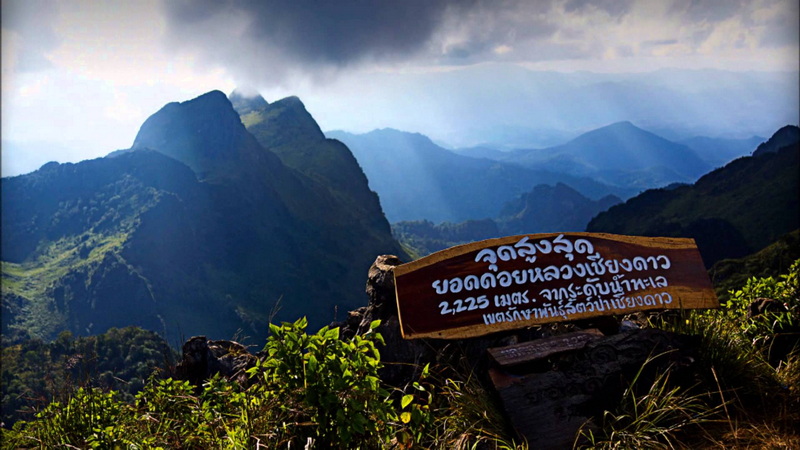
Majestic mountain view with peaks and clouds at Doi Luang Chiang Dao.

Nestled in the forested highlands north of Chiang Mai, Doi Luang Chiang Dao stands as one of Thailand’s most captivating trekking destinations. Its dramatic limestone summit, rising over 2,200 meters, dominates the landscape, while the dense forests below offer an authentic jungle trekking experience. For nature lovers and adventure seekers, this region is an open invitation to discover rare flora, misty trails, and the quiet grandeur of the north. But the appeal of Doi Luang Chiang Dao extends beyond the mountain itself. Private tours from Chiang Mai are increasingly popular, allowing visitors to tailor their experience—whether it’s a focused Doi Chiang Dao Hike, a gentle walk through the lowland forests, or a day combining trekking with nearby mineral springs and caves. These tours often provide not just logistical ease, but also local insight and a pace suited to every traveler’s curiosity. Planning a jungle trek here is as much about understanding the natural environment as it is about route selection. The region’s unique karst formations, wildlife sanctuary status, and the interplay between forest and water create a setting that’s both challenging and rewarding. This guide will walk you through the essentials of Chiang Mai Jungle trekking at Doi Luang Chiang Dao, show how a Private Tour Chiang Mai can enhance your journey, and introduce the area’s standout natural features—including Ban Yang Pu Toh mineral hotsprings and the famed Chiang Dao Cave. Whether you dream of summiting Doi Luang Chiang Dao or simply want to immerse yourself in the mountain’s wild beauty, you’ll find practical advice and inspiration for planning your adventure.

The Jungle Trekking Experience at Doi Luang Chiang Dao

Trekking at Doi Luang Chiang Dao means traversing one of northern Thailand’s most biodiverse landscapes. The trails pass through lush montane forest, bamboo groves, and open ridges. Unlike the cultivated hills further south, this area remains largely wild, protected as part of the Doi Luang Chiang Dao Forest Park and the wider Chiang Dao Wildlife Sanctuary. The air is cool and often misty in the mornings, with sunlight filtering through thick canopies and orchids clinging to ancient trees.

Jungle trekking here is physically demanding, especially for those aiming to reach the summit. Ascents are steep, with some sections requiring careful footing on rocky or muddy paths. However, the rewards are substantial: panoramic views over the valley, rare glimpses of endemic plants, and the chance to experience a genuine sense of remoteness. For those less focused on summits, the lower trails offer gentler options, winding through forested slopes and past streams, ideal for observing birdlife and the seasonal changes of the jungle.

Preparation is essential. Weather can shift quickly, and trails may be slippery after rain. Most hikers choose to travel with a local guide, who provides not only navigation but also interpretation of the mountain’s ecology and history. This approach aligns with conservation efforts, as guides help ensure visitors respect the protected environment.

How Private Tours Enhance the Trekking Journey

Organizing a Private Tour Chiang Mai to Doi Luang Chiang Dao offers flexibility and local expertise that can make a significant difference in your trekking experience. With a private guide or small group, you can select routes that match your fitness and interests, whether that means a challenging two-day ascent or a leisurely exploration of forest trails.

SUV driving through a muddy, unpaved road surrounded by dense greenery at Doi Luang Chiang Dao.

Private tours often include transportation from Chiang Mai, easing the logistics of reaching the trailhead. More importantly, guides are attuned to seasonal changes—knowing when the trails are at their most beautiful or when certain paths may be inaccessible due to weather. They can share stories of the region’s history, explain the significance of the forest park, and point out unique features along the way.

For many visitors, a private tour transforms the trek into an educational journey. Guides may highlight rare medicinal plants, explain local conservation practices, or introduce you to the subtle differences between the various forest zones. This personal attention not only enriches your experience but also ensures a safer, more sustainable adventure. It’s an approach that appeals to nature lovers seeking deeper connection with the landscape.

Planning Your Doi Chiang Dao Hike: Routes and Insights

The Doi Chiang Dao Hike is regarded as one of the most rewarding in Thailand, renowned for its striking scenery and sense of accomplishment. Most treks begin at the base village, where the trail quickly enters dense forest before climbing through bamboo stands and onto open ridgelines. The classic route to the summit usually takes two days, with an overnight stay at a designated campsite below the peak. This allows trekkers to witness both sunset and sunrise, when the views are most dramatic.

For those not seeking the summit, alternative trails crisscross the forest park, offering shorter hikes that still capture the essence of Chiang Mai Jungle trekking. These paths may follow streams, pass through wildflower meadows, or visit viewpoints overlooking the valley. All routes traverse protected land, so hikers are asked to stay on marked trails and follow guidelines to minimize impact.

Majestic mountain with mist in Doi Luang Chiang Dao.

Regardless of route, the Doi Chiang Dao hike is best undertaken with a guide familiar with the area’s conditions. The forest park’s status as a wildlife sanctuary means that access is sometimes restricted during certain periods to protect sensitive habitats. Checking ahead and traveling with knowledgeable guides ensures a smooth and responsible trekking experience.

Mineral Springs and Cave Wonders: Complementing the Trek

Beyond the mountain trails, the area around Doi Luang Chiang Dao is rich in natural features that add depth to any trekking itinerary. The Ban Yang Pu Toh mineral hotsprings are a favorite for trekkers seeking relaxation after a long hike. Set in a quiet forest clearing, these springs offer warm, mineral-rich waters that are said to soothe tired muscles—a perfect counterpoint to the rigors of jungle trekking.

Chiang Dao Cave, meanwhile, is a geological marvel. Carved over millennia into the limestone foothills, the cave system stretches for several kilometers, with illuminated chambers revealing dramatic stalactites and ancient rock formations. Exploring the cave provides a glimpse into the area’s subterranean world and a cool respite from the midday heat. Many private tours incorporate a visit to the cave either before or after trekking, making it a natural companion to the Doi Chiang Dao hike.

Visiting these sites is not only about relaxation or sightseeing; it’s an opportunity to witness the interconnectedness of the region’s geology, hydrology, and ecology. Responsible exploration—guided by local knowledge—ensures that these natural wonders remain preserved for future generations.

View of expansive mountain peaks at Doi Luang Chiang Dao.

Practical Tips for Jungle Trekking and Private Tours

For those planning a jungle trek at Doi Luang Chiang Dao, preparation is key. Weather conditions can fluctuate rapidly—days are often warm, while nights on the mountain can be surprisingly cold. Lightweight, moisture-wicking clothing, sturdy hiking shoes, and rain protection are recommended. Don’t forget sun protection and sufficient water for the journey.

Permits are required for entry into the protected areas, and access to the summit is often limited to certain months to protect the ecosystem. Most private tours arrange these permits as part of their service, but independent trekkers should check current regulations in advance.

Finally, consider the value of supporting local guides and community-based tourism initiatives. These not only enhance your own understanding but also contribute to conservation efforts and the well-being of the people who call Chiang Dao home. Whether you’re drawn to a challenging Doi Chiang Dao hike or a more relaxed forest walk, traveling mindfully ensures your adventure is both memorable and sustainable.

Nearby Attractions

Ban Yang Pu Toh mineral hotsprings

Bamboo-walled room with colorful decorations and a small table at Ban Yang Pu Toh mineral hotsprings.

Located within a short drive from the main trekking areas, Ban Yang Pu Toh mineral hotsprings are a serene destination for post-trek relaxation. The springs are nestled in a natural forest setting, with clear pools fed by underground mineral water. Visitors often find the atmosphere tranquil and restorative, making it a favored stop for those seeking to unwind after exploring Doi Luang Chiang Dao. The site is managed with an emphasis on cleanliness and environmental respect, aligning with the region’s broader conservation ethos.

Chiang Dao Cave

Rock formations with stalactites inside Chiang Dao Cave.

Chiang Dao Cave is one of northern Thailand’s most renowned cave systems, stretching deep into the limestone hills at the base of Doi Luang Chiang Dao. Its accessible chambers display impressive stalactites, stalagmites, and intriguing rock formations, some of which are illuminated for visitors. Exploring the cave offers a fascinating contrast to the open mountain trails, and its cool interior provides a welcome escape from the midday sun. Guided visits are recommended, both for safety and for gaining insight into the cave’s geology and history.

Where the Experience Leads Next

Doi Luang Chiang Dao offers more than just a mountain to climb—it’s an immersive landscape where jungle trails, mineral springs, and ancient caves come together to create a multifaceted adventure. Whether you’re drawn by the challenge of a classic Doi Chiang Dao hike, the immersive experience of Chiang Mai Jungle trekking, or the restorative waters of Ban Yang Pu Toh mineral hotsprings, thoughtful planning and the guidance of a Private Tour Chiang Mai can help you make the most of your journey. By respecting the region’s natural rhythms and supporting local conservation, every traveler becomes part of a story that values discovery, balance, and the enduring beauty of northern Thailand.

Recognized Caves and Day Tours Around Mueang On Cave

Recognized Caves and Day Tours Around Mueang On Cave Exploring renowned caves in Chiang Mai with practical day tours and nearby natural at...