Wednesday, October 14, 2026

Exploring Chiang Mai Orchid Farms and Stunning Flower Fields

Exploring Chiang Mai Orchid Farms and Stunning Flower Fields

Discover the vibrant beauty and seasonal charm of orchid farms and flower fields in Mae Rim District, Chiang Mai
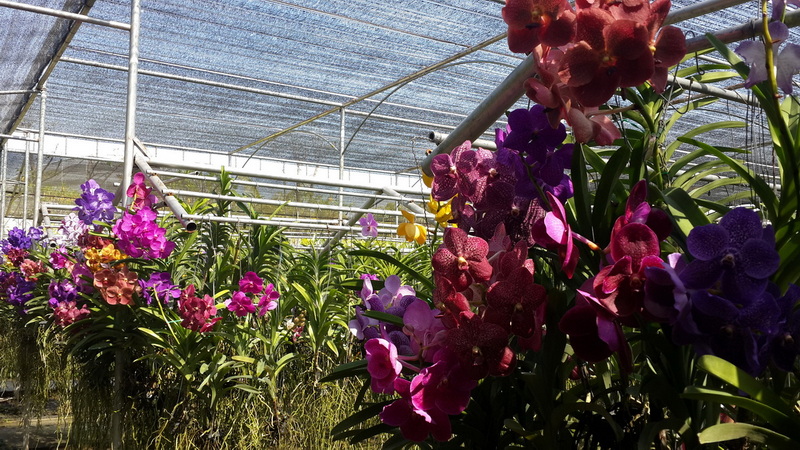
A variety of vibrant orchids growing inside a greenhouse with a shaded roof at Chiang Mai Orchid Farms.

Nestled in the scenic Mae Rim District of Chiang Mai, the Chiang Mai Orchid Farms offer visitors an immersive experience into one of Thailand’s most captivating floral attractions. These farms are not only a showcase of diverse and exquisite orchid species but also provide a gateway to the region’s spectacular flower fields, which burst into color during specific seasons. For travelers seeking both visual delight and a touch of nature’s tranquility, these farms are a must-visit destination. The appeal of Chiang Mai Orchid Farms lies in their rich botanical variety and the well-curated environments that highlight the elegance of orchids throughout the year. Complementing these floral displays are the expansive flower fields nearby, where visitors can witness seasonal blooms that paint the landscape in vivid hues. Whether you are a nature enthusiast, a photography lover, or simply someone looking to enjoy a peaceful day surrounded by beauty, exploring these orchid farms and flower fields offers a memorable and inspiring experience. Moreover, the area around the farms is peppered with intriguing nearby attractions, such as Mon Jam and Tiger Kingdom Chiang Mai, making it easy to combine a visit to the orchid farms with other engaging activities. This guide will walk you through the highlights of the Chiang Mai Orchid Farms Attractions, the best times to visit the flower fields, and how tours in Chiang Mai often integrate these natural wonders to maximize your trip’s enjoyment.

The Allure of Chiang Mai Orchid Farms

Chiang Mai Orchid Farms in the Mae Rim District are renowned for their extensive collections of orchids, showcasing hundreds of varieties ranging from common species to rare hybrids. These farms are carefully managed botanical gardens where visitors can stroll through greenhouses and open-air displays, absorbing the delicate shapes and vibrant colors of orchids in full bloom. Travelers researching Tours Chiang Mai can use these details when planning the trip.

The farms emphasize sustainable cultivation and respect for local agricultural practices, allowing visitors to appreciate orchids in an environment that balances beauty with ecological responsibility. Many farms also offer educational insights into orchid care and propagation, making them ideal for both casual tourists and plant enthusiasts.

What sets these farms apart is their blend of natural charm with thoughtful landscaping. Visitors often find themselves wandering along shaded paths lined with orchids, ferns, and tropical plants, creating a tranquil atmosphere that invites relaxation and reflection amidst nature’s marvels.
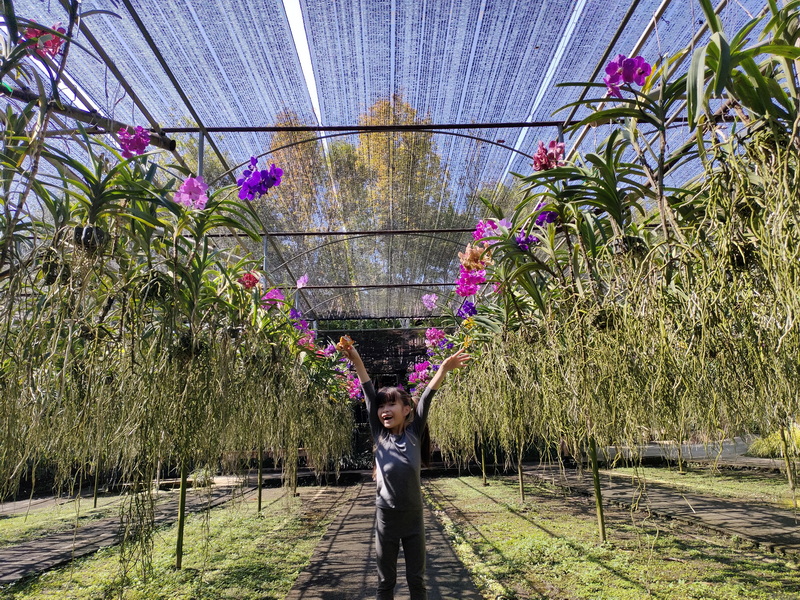
A girl happily standing under hanging orchids inside a greenhouse at Chiang Mai Orchid Farms.

Seasonal Splendor at Chiang Mai Flower Fields

Beyond the orchid farms, the surrounding fields in Mae Rim come alive during certain seasons with vast expanses of colorful flowers. These Chiang Mai Flower Fields are a visual feast, showcasing sunflowers, cosmos, marigolds, and other vibrant blooms that create breathtaking panoramas.

The best time to visit these flower fields typically spans from November to February when the cooler climate encourages peak blooming. During these months, the flower fields provide excellent opportunities for photography and leisurely walks, with the fresh mountain air enhancing the experience.

Seasonal visits allow travelers to witness the natural progression of blooms, from early budding stages to full flowering, making each trip unique depending on timing. This seasonal flow also complements visits to the orchid farms, where different orchid species may peak at varying times throughout the year.

Tours Chiang Mai That Showcase Orchid Farms and Flower Fields

Many tours in Chiang Mai include stops at the orchid farms and nearby flower fields, offering visitors a curated experience that highlights the botanical beauty of the region. These organized day tours often combine visits to multiple floral attractions, allowing travelers to explore a variety of gardens, farms, and natural parks within a single itinerary.
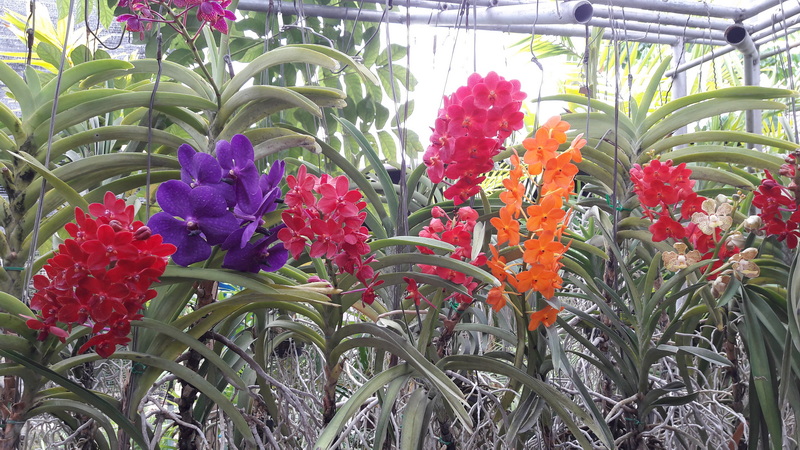
Vivid orchids of various colors growing inside a greenhouse structure at Chiang Mai Orchid Farms.

Tour guides typically provide background information on the plants, seasonal highlights, and cultural significance of orchids and flowers in Northern Thailand. This enriches the visitor experience by blending visual appreciation with educational insights.

Whether joining a group tour or opting for private arrangements, travelers benefit from convenient transportation and knowledgeable guides who help navigate the best spots for viewing and photographing the colorful landscapes. Many tours also include time for shopping locally made floral products or enjoying refreshments in garden cafes.

Planning Your Visit to Chiang Mai Flower Fields and Orchid Farms

To make the most of your visit to the Chiang Mai Orchid Farms and surrounding flower fields, it’s best to plan around the blooming seasons. Checking recent reports or local advice can help ensure you arrive during peak floral displays.

Early mornings or late afternoons are ideal times to visit, as the light is softer and the temperatures more comfortable. Weekdays tend to be less crowded than weekends, offering a more peaceful experience.
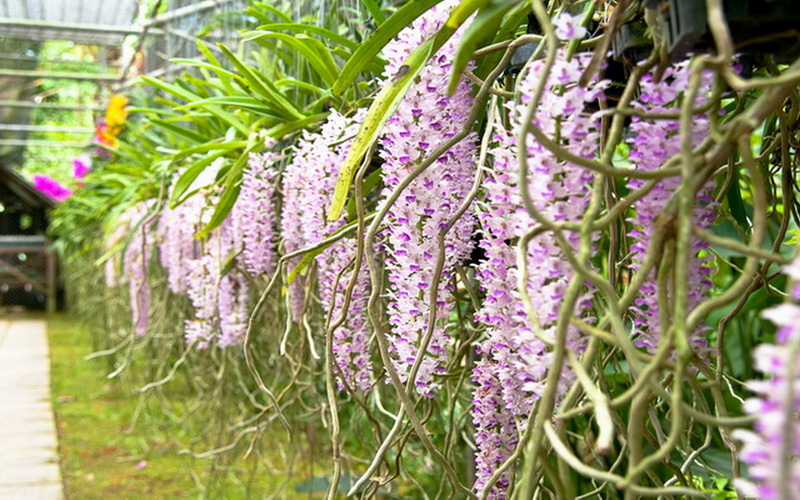
Pink and purple orchids growing along a greenhouse wall with a pathway nearby at Chiang Mai Orchid Farms.

Wear comfortable walking shoes and bring a camera or smartphone to capture the vivid colors and intricate details of the flowers and orchids. Many farms have shaded areas and small cafes where visitors can rest and enjoy refreshments.

Respect the farm rules and local customs, especially regarding photography and interaction with plants. Avoid picking flowers or disturbing the cultivated areas to preserve the beauty for other visitors.

If you plan to join a tour, book in advance during high season, and inquire about the itinerary to include both orchid farms and flower fields for a comprehensive floral adventure.

Nearby Attractions

Mon Jam
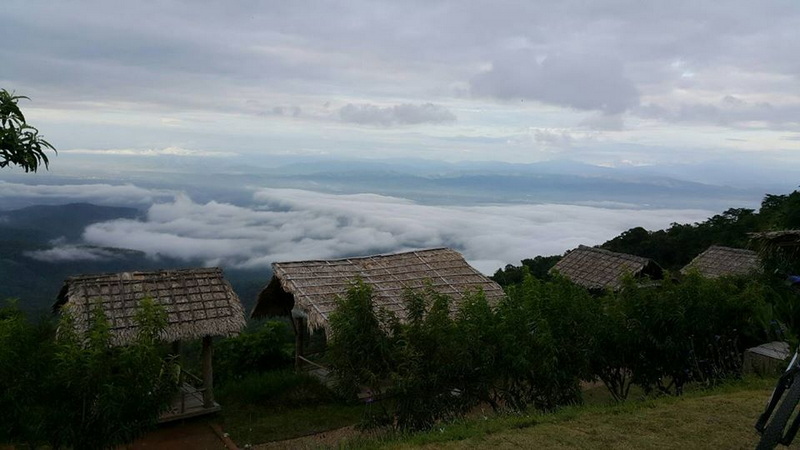
Mountainside with thatched huts, lush vegetation, and clouds covering the horizon at Mon Jam.

Mon Jam is a picturesque mountain retreat near the orchid farms, known for its cool climate and panoramic views of the surrounding valleys. Visitors often stop here to enjoy the serene atmosphere, explore hiking trails, and visit local farms growing vegetables and flowers.

The area features charming cafes and small markets where travelers can sample fresh local produce and handmade crafts. Mon Jam’s natural beauty and relaxed vibe make it a perfect complement to a day spent among the orchid farms and flower fields.

Tiger Kingdom Chiang Mai

Woman crouching next to a cheetah in enclosure with wooden fence and grass at Tiger Kingdom Chiang Mai.

Tiger Kingdom Chiang Mai is a popular attraction located close to the Mae Rim District’s floral sites. It offers visitors a chance to observe and learn about tigers in a controlled environment, with guided interactions under strict supervision.

While not a floral attraction, Tiger Kingdom adds diversity to the day’s itinerary, providing a unique wildlife experience that contrasts with the tranquility of the orchid farms and flower fields. Visitors often combine these stops for a fuller exploration of the region’s natural offerings.

Where the Experience Leads Next

Exploring Chiang Mai Orchid Farms and the nearby flower fields reveals a side of Northern Thailand rich in natural beauty and seasonal charm. Whether wandering through lush orchid displays or marveling at expansive flower fields, visitors find themselves immersed in a vibrant tapestry of color and fragrance. Combined with nearby attractions like Mon Jam and Tiger Kingdom Chiang Mai, these experiences offer a well-rounded glimpse into the region’s diverse attractions. Planning your visit with attention to seasonal blooms and tour options will ensure a memorable and inspiring journey into the heart of Chiang Mai’s floral treasures.

Tuesday, October 13, 2026

Discover Tham Lod Cave in Mae Hong Son Province for an Unforgettable Day Trip

Discover Tham Lod Cave in Mae Hong Son Province for an Unforgettable Day Trip

Explore natural wonders and plan your perfect Mae Hong Son day trip from Chiang Mai with this Lod Cave travel guide

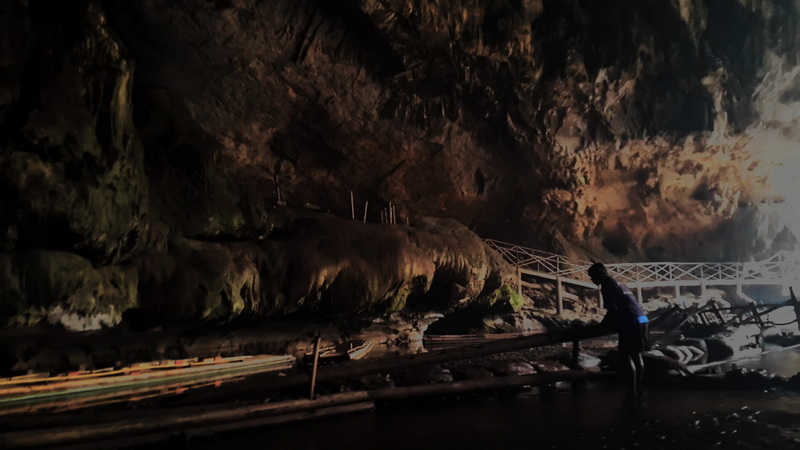
Person near the rocky cave entrance with boats and wooden pathway visible at Tham Lod Cave.

Mae Hong Son Province, nestled in the mountainous northwest of Thailand, offers travelers a unique blend of natural beauty, cultural richness, and serene landscapes. Among its many attractions, Tham Lod Cave stands out as a captivating geological site that draws visitors seeking both adventure and insight into the region’s natural heritage. Known for its extensive limestone caverns and archaeological significance, Tham Lod Cave is a must-visit destination for those exploring Mae Hong Son Province. For travelers based in Chiang Mai, a Mae Hong Son day trip from Chiang Mai presents an excellent opportunity to experience this remarkable cave without committing to a longer itinerary. This guide provides practical insights into visiting Tham Lod Cave Pang Mapha and understanding its place within the broader provincial context. Whether you’re a first-time visitor or returning traveler, this Lod Cave travel guide offers essential information to help you plan your day effectively while appreciating the cultural and natural significance of Mae Hong Son Province.

An Overview of Mae Hong Son Province and Its Attractions

Mae Hong Son Province is renowned for its mountainous terrain, mist-covered valleys, and a rich tapestry of ethnic cultures. It is one of the more remote provinces in Thailand, which helps preserve its tranquil atmosphere and natural charm. Visitors to the province are often drawn to its scenic beauty as well as the opportunity to learn about the lifestyles of local hill tribes.
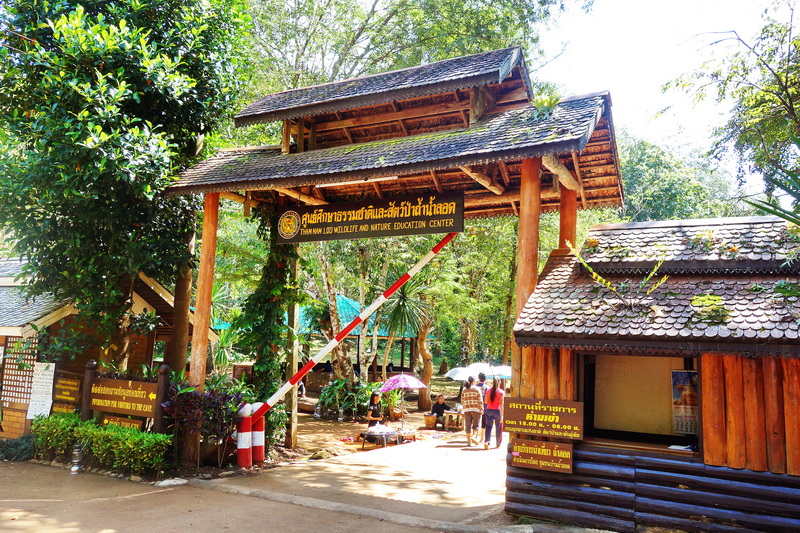
Wooden entrance gate with sign, trees, and visitors at Tham Lod Cave in Mae Hong Son.

Among the province’s many attractions, caves like Tham Lod stand out as natural wonders showcasing impressive geological formations and archaeological findings. The province also offers waterfalls, hot springs, and traditional markets, making it a well-rounded destination for travelers interested in nature and culture. The peaceful environment and relatively low tourist density compared to other northern Thai destinations contribute to Mae Hong Son’s appeal.

Exploring Mae Hong Son Province often involves traveling through winding mountain roads and picturesque villages, allowing visitors to immerse themselves in the region’s distinctive ambiance. This provincial setting makes it ideal for travelers seeking a combination of outdoor adventure and cultural discovery.

Planning a Mae Hong Son Day Trip From Chiang Mai

For those staying in Chiang Mai, organizing a day trip to Mae Hong Son Province is a popular option that balances travel time with meaningful exploration. While Mae Hong Son is located approximately 230 kilometers from Chiang Mai, a well-planned day trip can allow visitors to experience key highlights, including Tham Lod Cave, without the need for overnight stays.

Day trips typically start early in the morning to maximize time at the destination. Travelers often choose guided tours or private transport options that provide comfortable and efficient travel along the scenic routes connecting Chiang Mai with Mae Hong Son. These tours frequently include stops at other points of interest such as viewpoints and local villages, enriching the overall experience.

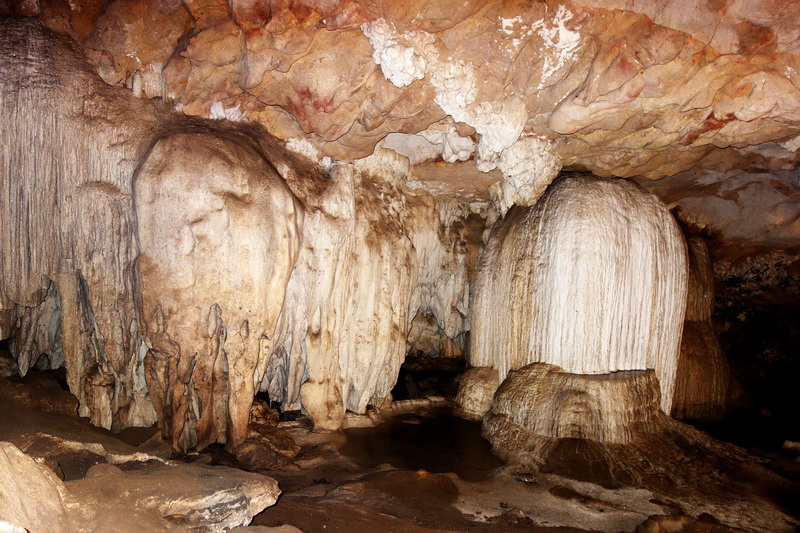
Limestone cave interior with stalagmites and stalactites and a water pool at Tham Lod Cave.

When planning such a day trip, it is important to consider travel times and the opening hours of attractions. Tham Lod Cave is accessible during daylight hours, and visitors should allocate sufficient time to explore the cave’s vast chambers and observe its geological features. Adequate preparation ensures a smooth and rewarding visit, making the most of the journey from Chiang Mai.
Exploring Tham Lod Cave: A Lod Cave Travel Guide

Tham Lod Cave, located in the Pang Mapha District of Mae Hong Son Province, is famed for its impressive limestone formations, large caverns, and ancient archaeological artifacts. The cave stretches over a kilometer and features a river flowing through its chambers, adding to the dramatic landscape within.

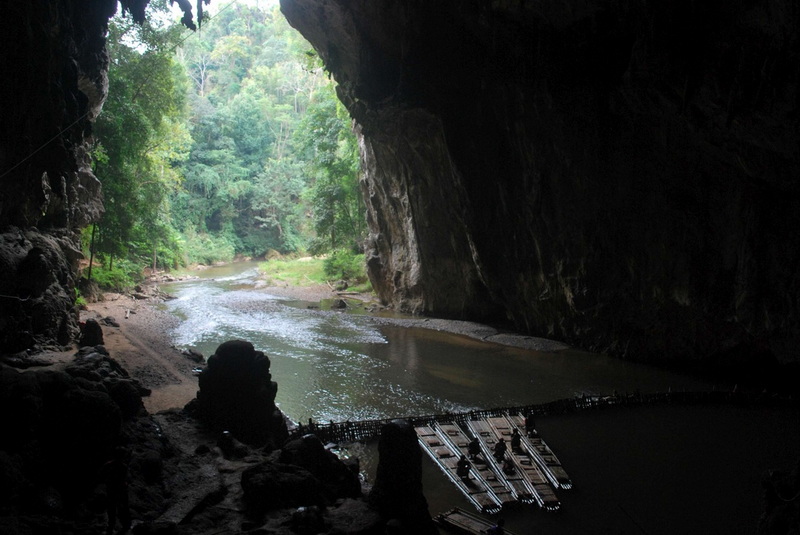
Visitors to Tham Lod Cave can expect to see a variety of stalactites and stalagmites, as well as wooden walkways and bamboo rafts that help navigate the cave’s interior safely. The cave’s geological formations provide a fascinating glimpse into natural processes that have shaped the region over millennia.

Beyond its natural beauty, Tham Lod Cave holds archaeological significance due to discoveries of prehistoric human remains and artifacts. This adds an educational dimension to the visit, connecting travelers with the deep history of human settlement in northern Thailand.

When visiting, it is advisable to wear comfortable shoes and bring a light jacket, as temperatures inside the cave can be cooler than outside. Guided tours are often available, offering insights into the cave’s geological and historical aspects. This makes the experience both informative and enjoyable, especially for first-time visitors.

View from inside a dark cave with a river and green trees outside at Tham Lod Cave.

Key Considerations for Visiting Tham Lod Cave and Mae Hong Son Province

While Tham Lod Cave is a highlight of Mae Hong Son Province, visitors should also be mindful of the region’s rural nature and the need for responsible travel practices. Respecting local communities and preserving the natural environment are essential aspects of any visit to this area.
Travelers are encouraged to plan their visit during the dry season, typically from November to February, when road conditions are better and the weather is more pleasant. This period also offers clearer views and safer access to outdoor sites.
It is important to avoid making unsupported operational assumptions about the cave’s accessibility or services. Checking with local guides or tour operators ahead of time can provide updated information on opening hours and any visitor requirements. This helps ensure a smooth trip without unexpected disruptions.
Moreover, while Mae Hong Son Province offers diverse attractions, visitors should focus on a few key experiences per trip to appreciate each fully. Attempting to cover too many sites in one day may reduce the quality of the visit and lead to fatigue.

Where the Experience Leads Next

A visit to Tham Lod Cave within Mae Hong Son Province presents a unique opportunity to engage with one of northern Thailand’s most impressive natural landmarks. Whether you embark on a Mae Hong Son day trip from Chiang Mai or include it as part of a longer exploration of the region, this Lod Cave travel guide aims to equip you with practical knowledge and regional insights. By understanding the provincial context and preparing thoughtfully, travelers can enjoy a memorable journey that highlights both the natural splendor and cultural depth of Mae Hong Son. Remember to approach your visit with respect and curiosity, allowing the quiet beauty of the cave and its surroundings to inspire a deeper appreciation for this remarkable part of Thailand.

Chamadevi Temple Among Attractions in Lamphun

Chamadevi Temple Among Attractions in Lamphun

Exploring the cultural and spiritual highlights of Lamphun through Chamadevi Temple and its nearby sacred sites

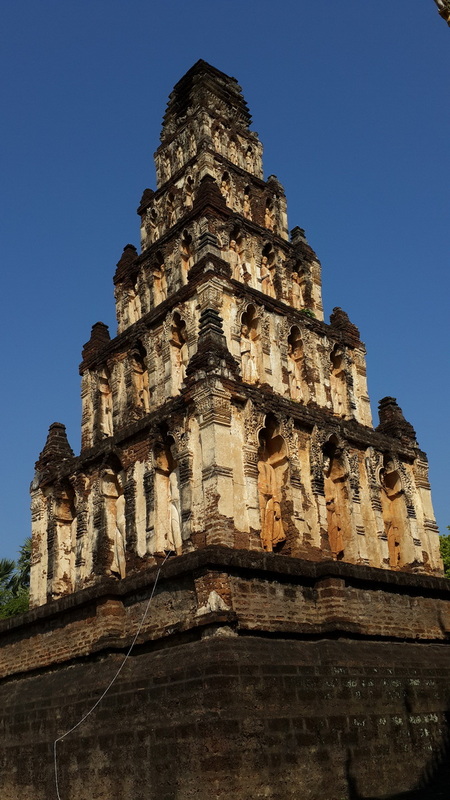
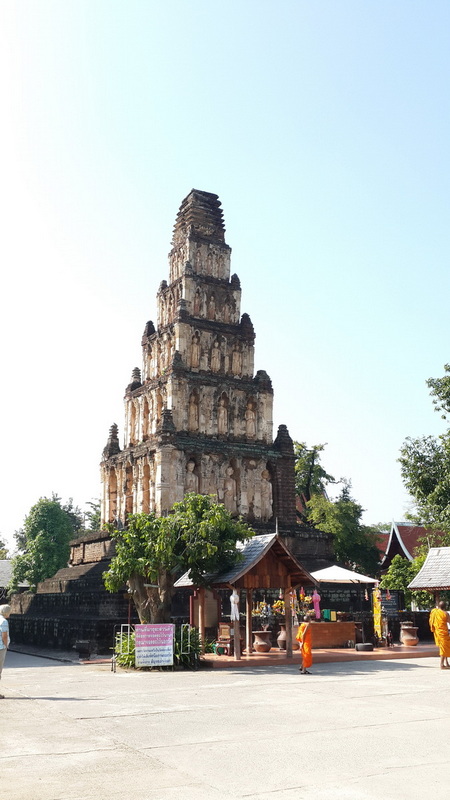
Tall ancient stone pagoda with detailed carvings and multiple tiers against a clear sky at Chamadevi Temple.

Nestled in the heart of Mueang Lamphun District, Lamphun, Chamadevi Temple stands as a serene and culturally rich destination for travelers seeking to immerse themselves in northern Thailand’s heritage. This temple, also known by several names including Wat Chamadevi and Ku Kut Temple, offers visitors a peaceful setting to appreciate local religious architecture and the spiritual traditions that have shaped the region. Lamphun itself is a province filled with historic temples and cultural landmarks, making it an essential stop for those exploring Attractions in Lamphun. Chamadevi Temple is particularly significant due to its connection with the ancient Lanna Kingdom and its role in the spiritual life of the community. Visitors can enjoy a contemplative atmosphere here, which is complemented by nearby temples and monuments that collectively showcase the area’s rich cultural tapestry. For travelers planning a visit, especially those considering Chiang Mai Trip Packages that include excursions to Lamphun, understanding the unique appeal of Chamadevi Temple and its surroundings enhances the experience. This guide provides a balanced overview of Chamadevi Temple, its architectural and cultural importance, and nearby attractions such as Ku Chang Ku Ma and Wat San Pa Yang Luang, helping visitors prepare for a respectful and enriching visit.

Overview of Attractions in Lamphun

Lamphun Province, located just south of Chiang Mai, is known for its rich history and numerous temples that reflect the Lanna cultural heritage. The area is less crowded than its more famous neighbor, offering a tranquil environment for visitors interested in spiritual and historical exploration. Among its many sites, Chamadevi Temple and Wat Ku Kut stand out as prominent places of worship and cultural interest.

Attractions in Lamphun are characterized by their intricate architecture, serene natural surroundings, and deep ties to the region’s past. Many temples here date back centuries and feature traditional northern Thai designs, including multi-tiered roofs, elaborate carvings, and vibrant murals that tell stories from Buddhist teachings and local legends.

Visitors seeking to explore beyond the usual tourist paths will find Lamphun’s temples both accessible and welcoming. The province’s attractions provide insight into the daily spiritual practices of local communities, while also offering picturesque settings perfect for photography and quiet reflection.

Chamadevi Temple and Wat Ku Kut

Chamadevi Temple, also referred to as Wat Chamadevi or Ku Kut Temple, is named after Queen Chamadevi, the legendary founder of Lamphun. The temple site is a focal point of local devotion and a fine example of northern Thai temple architecture. Its peaceful compound houses several important Buddha images and features a graceful chedi (stupa) that draws visitors’ attention.

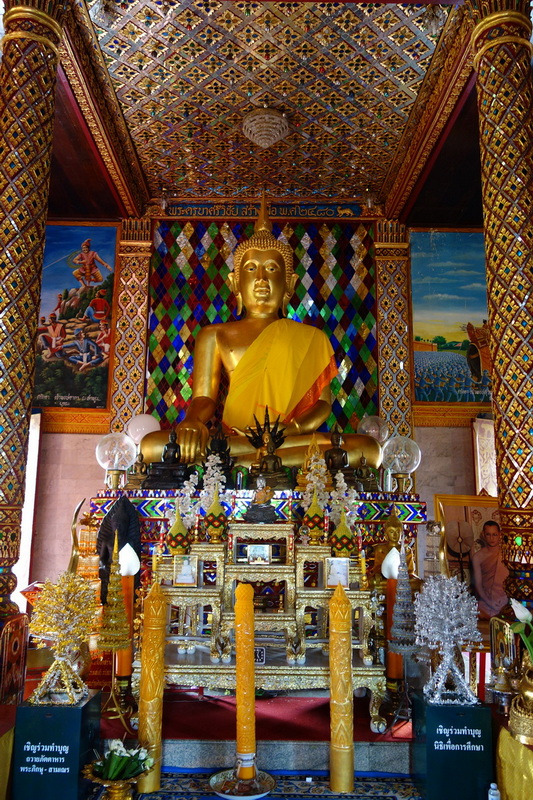
Golden Buddha statue inside an ornate temple with paintings and detailed decor at Chamadevi Temple.

Wat Ku Kut, often associated with Chamadevi Temple, is another key religious site nearby. This temple is known for its distinctive Lanna-style architecture and its role in the spiritual life of Lamphun residents. Both temples offer visitors a chance to observe traditional Buddhist practices and appreciate the artistry involved in their construction and decoration.

The temples are not only places of worship but also cultural landmarks where visitors can learn about Lamphun’s history. Respectful behavior is encouraged, such as dressing modestly, removing shoes before entering sacred buildings, and maintaining a quiet demeanor to honor the sanctity of these spaces.

Nearby Attractions to Complement Your Visit

When visiting Chamadevi Temple, it is worthwhile to explore nearby sites that enrich the cultural and spiritual experience. Among these are Ku Chang Ku Ma and Wat San Pa Yang Luang, both offering distinct perspectives on Lamphun’s heritage.

Ku Chang Ku Ma is a local landmark with historical significance, known for its unique statues and the stories they represent within the community. The site provides a glimpse into regional folklore and offers an interesting contrast to the temple environment.

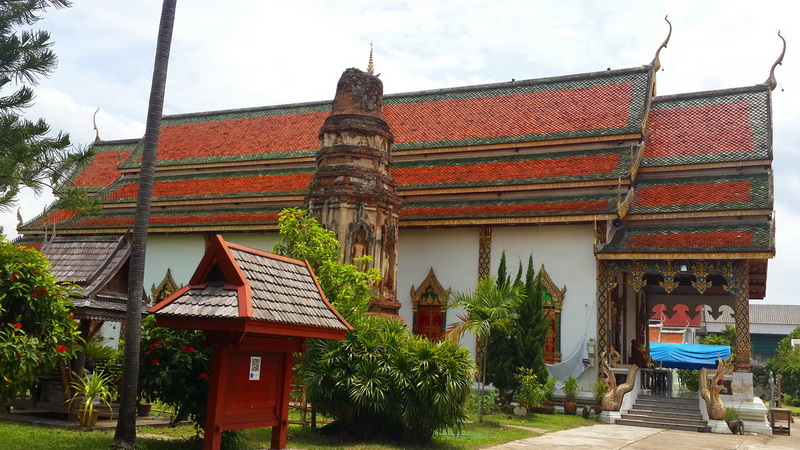
Traditional Thai temple with decorative roof and lush surroundings at Chamadevi Temple.

Wat San Pa Yang Luang, another nearby temple, is renowned for its tranquil setting and beautiful wooden structures. It serves as a peaceful retreat where visitors can further engage with the spiritual ambiance of Lamphun’s temple network.

Visitor Tips and Cultural Considerations

When exploring Chamadevi Temple and other sacred sites in Lamphun, visitors should approach with cultural sensitivity and respect. Wearing appropriate attire that covers shoulders and knees is advised to show reverence for the religious environment.

Photography is generally permitted in temple grounds, but it is courteous to ask permission before taking pictures of monks or worshippers. Avoid loud conversations and disruptive behavior to maintain the peaceful atmosphere that these temples embody.

Many visitors arrive as part of Chiang Mai Trip Packages that include Lamphun as a day trip or half-day excursion. Planning your visit during weekday mornings can offer a quieter experience, allowing more meaningful engagement with the sites.

An ancient stone pagoda with multiple tiers and detailed carvings near greenery at Chamadevi Temple.

It is also respectful to observe local customs such as removing shoes before entering prayer halls and refraining from touching sacred objects. These simple acts help preserve the sanctity of the temples and honor the traditions upheld by the community.

Sightseeing Highlights in Lamphun

Lamphun’s combination of historical temples, cultural landmarks, and natural beauty creates a compelling itinerary for travelers interested in northern Thailand’s heritage. Chamadevi Temple, with its serene grounds and historical significance, forms a centerpiece of this experience.

Alongside Wat Ku Kut, visitors can appreciate the artistry and spiritual devotion that have shaped Lamphun’s identity over centuries. Nearby attractions like Ku Chang Ku Ma and Wat San Pa Yang Luang provide additional layers of context and interest, making the area ideal for culturally focused sightseeing.

Whether you are a first-time visitor or a returning traveler, Lamphun offers a respectful and enriching environment to explore Buddhist traditions and northern Thai culture. Its attractions are well suited to those seeking calm and contemplative experiences away from busier tourist centers.

Nearby Attractions

Ku Chang Ku Ma

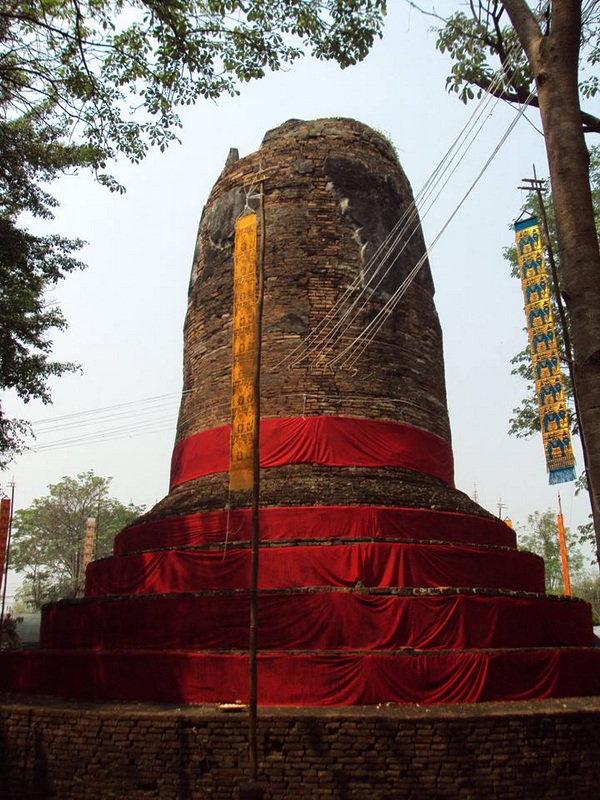
Ancient brick stupa covered with red cloth, with trees and wires nearby at Ku Chang Ku Ma.

Ku Chang Ku Ma is a notable local attraction near Chamadevi Temple, featuring statues that depict elephants, which hold symbolic importance in Thai culture. The site is often visited for its blend of historical significance and folklore, offering visitors a chance to connect with Lamphun’s community stories.

The quiet surroundings and cultural symbolism make Ku Chang Ku Ma a complementary stop for those exploring the religious and cultural landscape of Lamphun. It provides a different perspective from the temple visits, highlighting local heritage and artistic expression.

Wat San Pa Yang Luang

Thai temple with ornate gold details and statues inside, under a cloudy sky at Wat San Pa Yang Luang.

Wat San Pa Yang Luang is a peaceful temple located close to Chamadevi Temple, known for its traditional wooden architecture and serene atmosphere. It serves as a spiritual retreat for both locals and visitors, with its calm setting inviting quiet reflection.

The temple grounds are well maintained and less frequented by large tourist groups, offering an authentic experience of Lamphun’s religious life. Visitors can observe monks in daily routines and appreciate the craftsmanship of northern Thai temple design.

Where the Experience Leads Next

Visiting Chamadevi Temple within the context of Lamphun’s rich array of attractions offers a meaningful glimpse into northern Thailand’s spiritual and cultural identity. The temple and its surroundings invite respectful exploration and provide a peaceful setting for contemplation. Nearby sites like Ku Chang Ku Ma and Wat San Pa Yang Luang further enrich the experience, making Lamphun a rewarding destination for those interested in heritage and quiet sightseeing. By approaching these sacred spaces with awareness and respect, visitors can enjoy a deeper connection to the traditions that continue to thrive in this historic province.

Exploring the Mae Hong Son Loop Tour with Ban Nam Phiang Din and Karen Longneck Village

Exploring the Mae Hong Son Loop Tour with Ban Nam Phiang Din and Karen Longneck Village

Discover cultural heritage and travel highlights on the Mae Hong Son Loop Tour from Chiang Mai featuring Ban Nam Piang Din and the Karen Longneck community

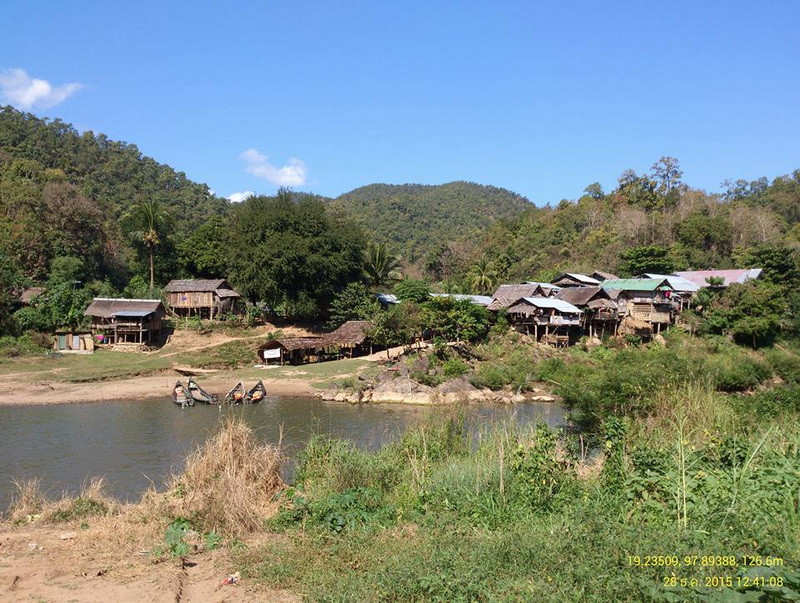
Riverside village with wooden houses and lush greenery under a blue sky at Ban Nam Phiang Din.

The Mae Hong Son Loop Tour from Chiang Mai offers a unique journey through Northern Thailand’s mountainous landscapes and culturally rich communities. This loop is renowned for weaving together natural beauty and authentic ethnic experiences, particularly those centered around the Karen Longneck Village at Ban Nam Piang Din. Travelers seeking a thoughtful exploration of hill tribe cultures can find both educational insight and respectful encounters here. Ban Nam Piang Din, also known as Baan Nam Phiang Din, is a village inhabited by the Karen Longneck people, recognized for their distinctive traditional attire and cultural practices. Visiting this village provides a glimpse into the community’s way of life, their customs, and their enduring heritage. This cultural stop is often paired with visits to nearby natural attractions to create a well-rounded travel experience. This article will guide you through the highlights of the Mae Hong Son Loop Tour, focusing on Ban Nam Piang Din and the Karen Longneck Village, while also introducing nearby points of interest such as Pang Ung and Wat Phra That Doi Kong Mu. Alongside cultural reflections, practical travel options will be discussed to help you plan an enriching and respectful journey.

Understanding the Mae Hong Son Loop Tour from Chiang Mai

The Mae Hong Son Loop Tour from Chiang Mai is a popular travel route that encompasses a circular journey through the northern provinces of Thailand, including Chiang Mai, Mae Hong Son, and Pai. This loop is celebrated for its scenic mountain roads, tranquil lakes, ethnic villages, and opportunities to connect with local cultures away from urban centers.

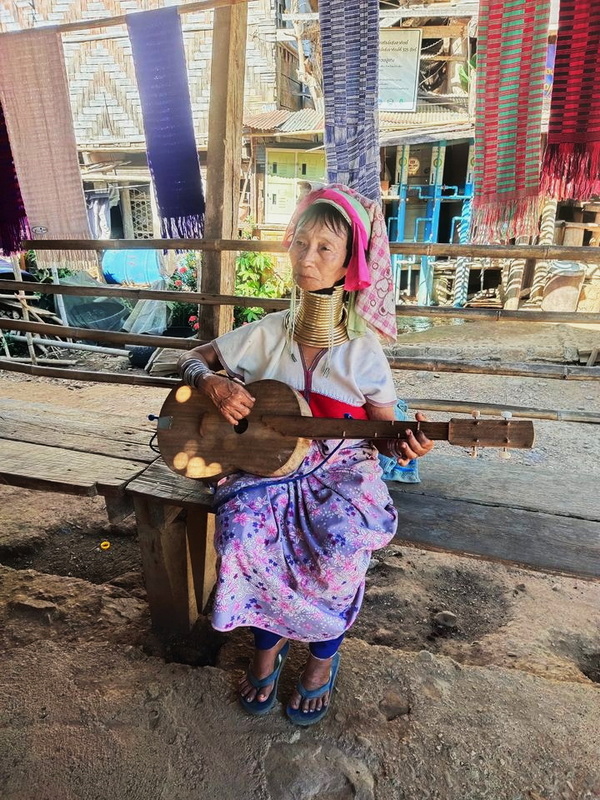
Elderly woman with brass rings playing guitar in a village with hanging colorful textiles at Mae Hong Son.

Starting in Chiang Mai, travelers typically drive or join guided tours that weave through winding roads and picturesque landscapes. The loop allows visitors to experience a variety of environments, from serene forests and misty hills to vibrant rural communities. This route is well-suited for those interested in both nature and cultural immersion.

One of the key aspects of the loop is its inclusion of hill tribe villages, where visitors can learn about the traditions, crafts, and daily lives of ethnic groups such as the Karen, Hmong, and Lisu. Ban Nam Piang Din is among the most recognized villages for its Karen Longneck community, which has become a focal point for cultural appreciation within the loop.

Travelers considering this loop should plan thoughtfully, allowing time for cultural visits, natural sightseeing, and rest stops. The loop can be completed in several days, with flexibility depending on individual interests and travel pace.

Cultural Heritage at Ban Nam Piang Din and the Karen Longneck Village

Ban Nam Piang Din, located in the Mueang Mae Hong Son District, is home to the Karen Longneck community, a subgroup of the Karen hill tribe known for their distinctive neck rings worn by women. These rings symbolize cultural identity and have deep traditional significance, reflecting beauty standards and social customs passed down through generations.

The village offers visitors a respectful opportunity to observe and learn about Karen culture, including their weaving techniques, traditional dress, and community life. The people of Ban Nam Piang Din engage in handicrafts and agriculture, sustaining their livelihoods while preserving their cultural heritage.

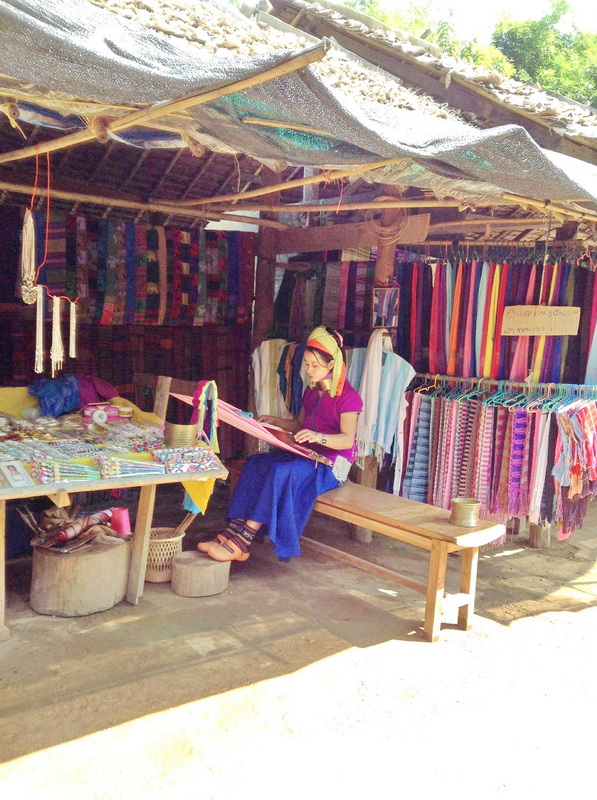
Woman sitting in a market stall surrounded by colorful woven textiles and crafts at Ban Nam Phiang Din.

Visitors are encouraged to approach the village with sensitivity and respect, understanding that these cultural practices represent living traditions rather than tourist spectacles. Ethical tourism emphasizes supporting local economies through purchasing handmade goods and participating in guided cultural exchanges that honor community dignity.

Ban Nam Piang Din’s location within the Mae Hong Son Loop Tour makes it accessible for travelers interested in an authentic cultural experience combined with scenic surroundings. The village stands as a testament to the resilience and rich heritage of the Karen Longneck people in Northern Thailand.

Travel Options and Highlights Along the Loop

Travelers embarking on the Mae Hong Son Loop Tour from Chiang Mai have diverse options ranging from self-drive adventures to guided tours. Self-driving offers flexibility to explore at one’s own pace, while guided tours provide structured itineraries that include cultural stops like Ban Nam Piang Din and natural attractions.

The roads of the loop are mountainous and winding, so careful planning is essential, especially during the rainy season. Many travelers opt for motorbike rentals or vans, depending on their comfort with driving conditions. Accommodations along the route vary from guesthouses to eco-lodges, catering to different preferences.

Cultural highlights include visiting Karen Longneck Village, where respectful interaction and learning are encouraged. Travelers can observe traditional weaving demonstrations and explore the village layout, gaining insight into community life. Photography should always be approached with permission and cultural sensitivity.

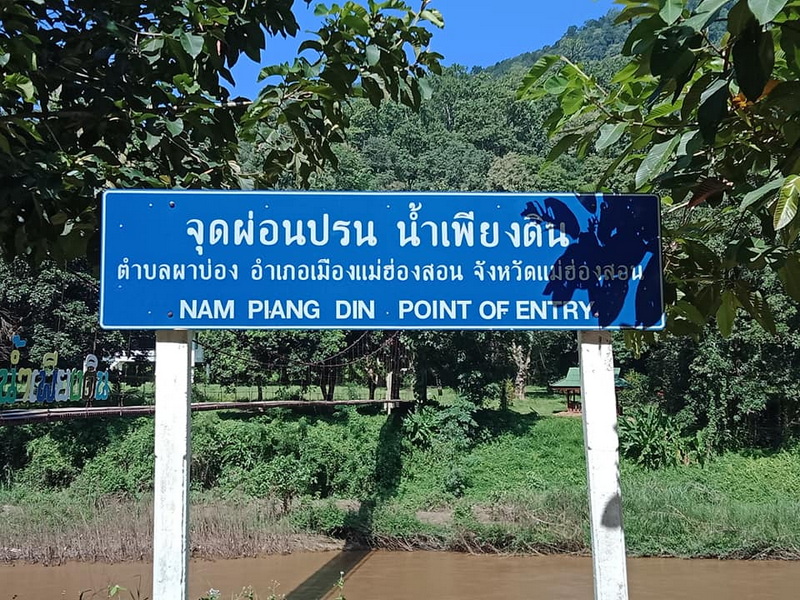
Blue signboard with Thai and English text against green trees and mountain background at Ban Nam Phiang Din.

In addition to cultural stops, the loop offers natural attractions, serene landscapes, and opportunities for hiking or boating. These elements combine to create a balanced itinerary that honors both the people and the environment of the region.

Engaging Ethically with the Karen Longneck Community

When visiting Ban Nam Piang Din and other hill tribe villages, it is important to prioritize ethical tourism practices. This includes respecting the privacy and dignity of community members, avoiding exploitative behaviors, and supporting local livelihoods through fair purchases and respectful interaction.

The Karen Longneck community has faced challenges due to tourism that sometimes veers into exoticizing or commodifying their culture. Responsible travelers should educate themselves beforehand, approach visits with humility, and follow guidelines set by community leaders or local guides.

Understanding that the community’s cultural expressions are part of their identity rather than tourist entertainment fosters a more meaningful and respectful experience. Supporting sustainable tourism initiatives helps ensure that cultural preservation and economic benefits align harmoniously.

Visitors are encouraged to listen, learn, and reflect on the diverse perspectives and histories of the Karen Longneck people, contributing to cross-cultural appreciation rather than superficial encounters.

Nearby Attractions

Pang Ung

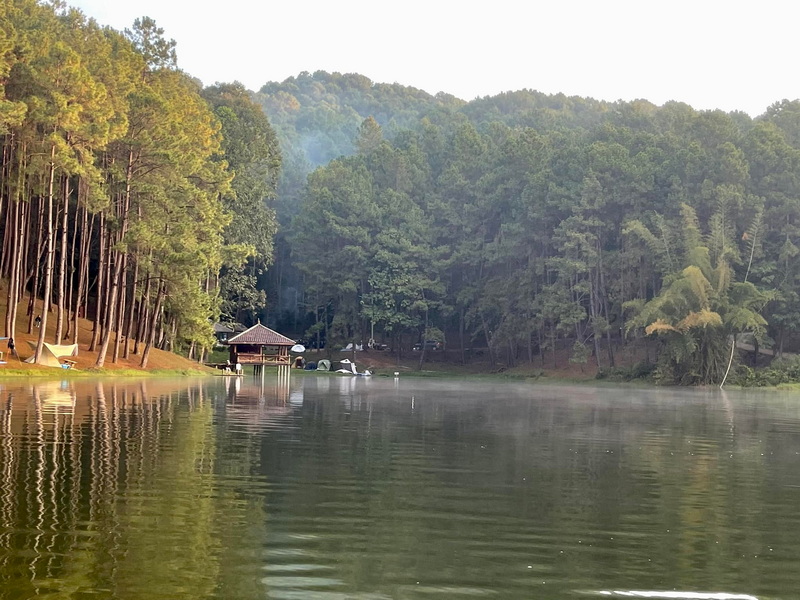
A serene lake with trees and a pavilion on the shore, surrounded by lush greenery at Pang Ung.

Pang Ung is a tranquil lake situated within the Mae Hong Son province, often referred to as the 'Switzerland of Thailand' due to its cool climate and pine forests. It offers visitors a peaceful natural retreat away from the busier parts of the loop.

The area around Pang Ung features camping sites, walking trails, and opportunities to enjoy the serene waters and surrounding hills. It is a favored spot for nature lovers and those seeking quiet reflection amid scenic beauty.

Including Pang Ung in the Mae Hong Son Loop Tour itinerary adds a refreshing contrast to cultural visits, allowing travelers to experience the diverse environments that define this region.

Wat Phra That Doi Kong Mu

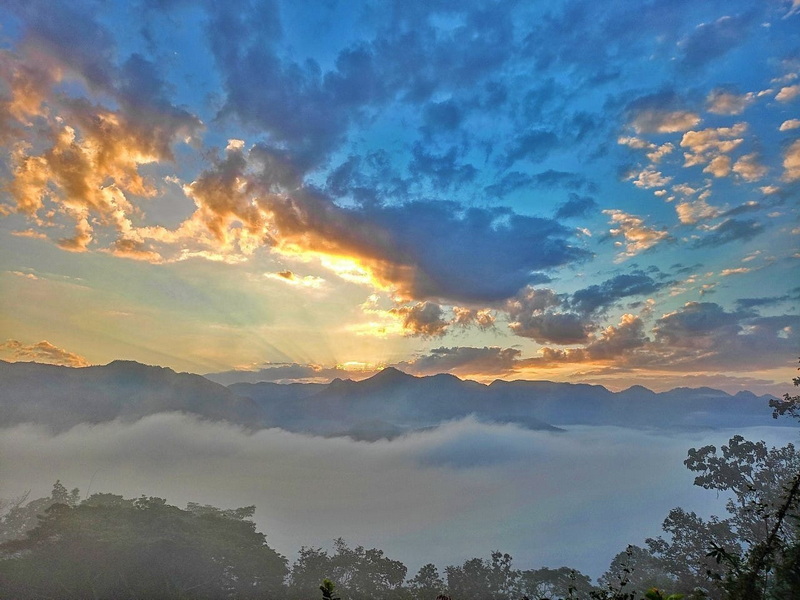
Mountains visible through fog with a vibrant sunset sky and scattered clouds at Wat Phra That Doi Kong Mu.

Wat Phra That Doi Kong Mu is a prominent Buddhist temple located on a hill overlooking Mae Hong Son town. Known for its striking Burmese-style architecture and golden chedis, the temple holds religious and historical significance for the local community.

Visitors to the temple can enjoy panoramic views of the town and surrounding mountains, while also learning about the spiritual traditions that are integral to the area’s cultural fabric.

A visit to Wat Phra That Doi Kong Mu complements the cultural exploration of Ban Nam Piang Din by providing insight into the broader religious and historical context of Mae Hong Son.

Where the Experience Leads Next

Exploring the Mae Hong Son Loop Tour from Chiang Mai with a focus on Ban Nam Piang Din and the Karen Longneck Village offers travelers a rare blend of cultural depth and natural beauty. By approaching the journey with respect and curiosity, visitors can engage with the traditions and landscapes of Northern Thailand in a way that honors local communities and enriches their own travel experience. Including nearby attractions like Pang Ung and Wat Phra That Doi Kong Mu enhances the itinerary, providing a well-rounded perspective on the region’s heritage and environment. Thoughtful planning and ethical engagement ensure that this loop tour becomes not just a trip, but a meaningful cultural encounter.

Saturday, October 10, 2026

Guide to Attractions in Lamphun Featuring Phra Buddha Bhat Phra That In Kwaen Lamphun

Guide to Attractions in Lamphun Featuring Phra Buddha Bhat Phra That In Kwaen Lamphun

Explore Lamphun’s cultural heritage with a focus on Phra Buddha Bhat Phra That In Kwaen and practical travel advice including Chiang Mai trip packages

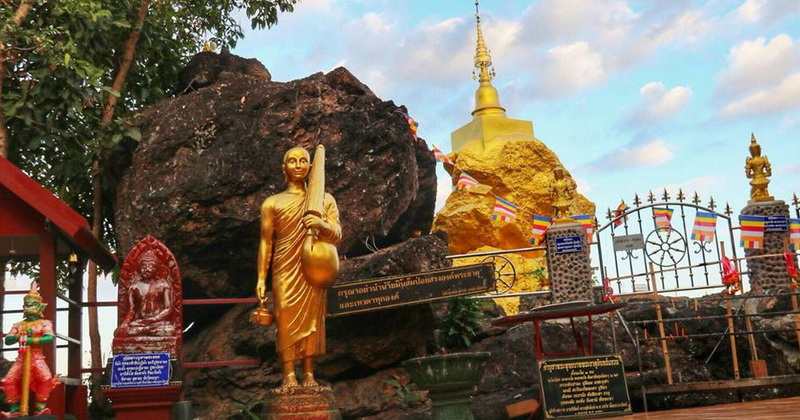
Golden monk statue near rocks and a gold stupa with a decorative gate behind at Phra That in Kwaen.

Nestled in the heart of northern Thailand, Lamphun Province offers travelers a rich tapestry of cultural and religious landmarks. Among its most revered sites is Phra Buddha Bhat Phra That In Kwaen Lamphun, a temple that exemplifies the spiritual heritage and architectural beauty of the region. This guide highlights key attractions in Lamphun with a special emphasis on this temple, providing practical information for visitors planning their trips. Phra That in Kwaen is more than just a religious site; it is a vibrant part of the local community’s identity and history. Visitors will find its tranquil atmosphere and intricate design a rewarding experience. Alongside this, Lamphun’s nearby attractions, such as Wat Chamadevi and Wat San Pa Yang Luang, offer additional insights into the province’s past and present. For those combining their visit with Chiang Mai, Chiang Mai trip packages often include Lamphun, making it easy to explore multiple cultural sites in one journey. This article serves as a practical companion to help travelers navigate these rich offerings with confidence and respect for local customs.

Overview of Attractions in Lamphun

Lamphun Province is one of Thailand’s oldest cities, founded over 1,300 years ago. Its historical significance is reflected in the numerous temples and monuments scattered throughout the area. Visitors seeking authentic cultural experiences will find Lamphun a rewarding destination, offering a quieter alternative to the bustling city of Chiang Mai nearby.

Among the top attractions in Lamphun are several ancient temples, each with unique architectural styles and religious significance. The province’s serene natural surroundings complement these cultural sites, enhancing the visitor experience. Attractions in Lamphun often highlight the Lanna Kingdom’s influence, which shaped much of northern Thailand’s art and culture.

Besides temples, Lamphun also offers monuments dedicated to revered figures in Thai history, local markets, and festivals that celebrate the province’s heritage. These elements together provide a well-rounded visit for travelers interested in both history and contemporary local life.

Exploring Phra Buddha Bhat Phra That In Kwaen Lamphun

Phra Buddha Bhat Phra That In Kwaen Lamphun stands as a spiritual centerpiece in the Mueang Lamphun District. This temple is known for its revered stupa, which is believed to enshrine sacred relics of the Buddha. The temple complex combines traditional Lanna architectural elements with subtle influences that reflect centuries of religious devotion.

Visitors to the temple will notice the intricate stucco work and carvings that adorn the buildings, showcasing the craftsmanship of local artisans. The temple grounds offer a peaceful environment for meditation and reflection, inviting travelers to experience the spiritual ambiance firsthand.

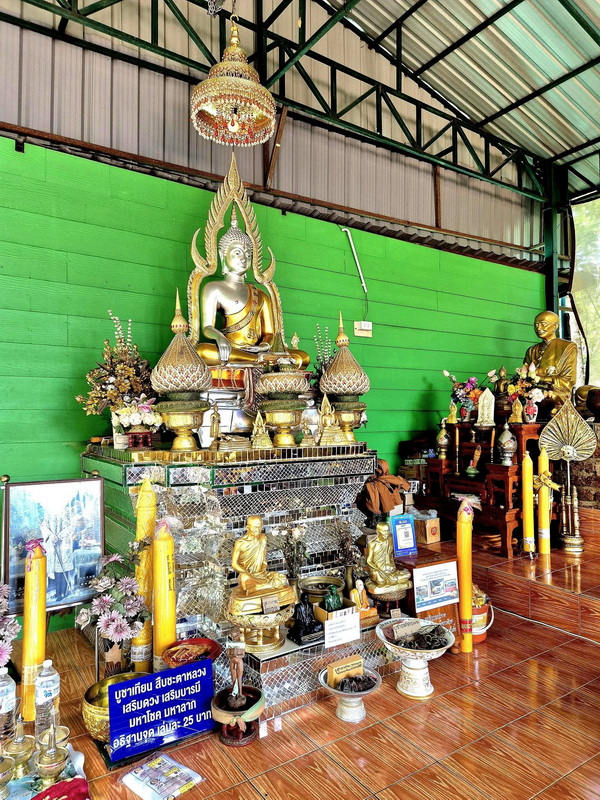
Inside shrine with Buddha statues, flowers, candles, and vibrant green wall at Phra That in Kwaen.

Cultural and religious practices remain an integral part of daily life at Phra That In Kwaen. Visitors are encouraged to observe respectful behavior, including appropriate attire and quiet reverence while inside the temple precincts. The temple also hosts several annual ceremonies that highlight its role within the community, providing visitors with opportunities to witness traditional rituals.

Connecting Lamphun with Chiang Mai Trip Packages

Many travelers visiting northern Thailand choose to include Lamphun in their itineraries when booking Chiang Mai trip packages. These packages often provide convenient transportation and guided tours that cover major cultural and historical sites in both provinces.

Incorporating Lamphun into a Chiang Mai trip allows visitors to experience a broader spectrum of northern Thai heritage in a single journey. The proximity of Lamphun to Chiang Mai – just a short drive away – makes day trips or overnight stays both practical and appealing.

Trip packages typically highlight key temples, local markets, and traditional crafts, helping visitors gain a deeper understanding of the region’s culture. For those interested in religious landmarks, Phra Buddha Bhat Phra That In Kwaen Lamphun is frequently featured as a must-see site, alongside other notable temples in the area.

Discovering Wat Chamadevi Nearby

Wat Chamadevi is another important temple located near Phra That In Kwaen. Named after Queen Chamadevi, the legendary founder of Lamphun, this temple offers historical insight into the early days of the city.

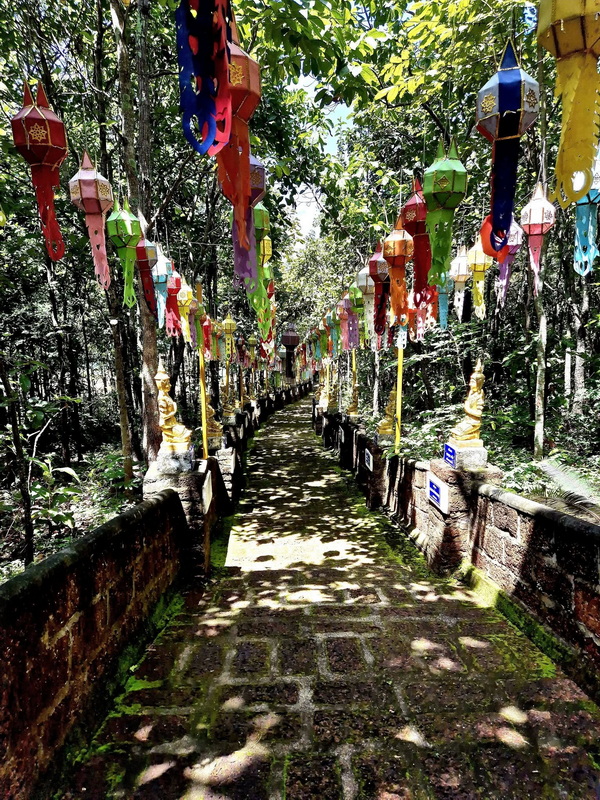
Stone trail lined with colorful lanterns hanging from trees in a lush forest setting at Phra That in Kwaen.

The temple complex combines historical artifacts with religious functions, providing a layered experience for visitors. Its architecture reflects the Lanna style, with beautifully preserved structures and serene grounds.

Visitors to Wat Chamadevi can learn about the queen's role in establishing the city and appreciate the temple’s significance as both a religious site and a cultural monument. The proximity of Wat Chamadevi to Phra Buddha Bhat Phra That In Kwaen makes it an easy and rewarding stop for those exploring Lamphun’s attractions.

Exploring Wat San Pa Yang Luang

Wat San Pa Yang Luang is another noteworthy nearby attraction. Known for its peaceful atmosphere and traditional northern Thai temple architecture, it provides a contrasting experience to the larger temple complexes.

This temple is valued by locals and visitors alike for its community role and spiritual offerings. The grounds are well maintained, featuring decorative elements that highlight Lamphun’s artistic heritage.

Visiting Wat San Pa Yang Luang offers travelers a chance to observe local religious practices in a quieter setting. It is an excellent example of the smaller, community-focused temples that contribute to the cultural fabric of Lamphun.

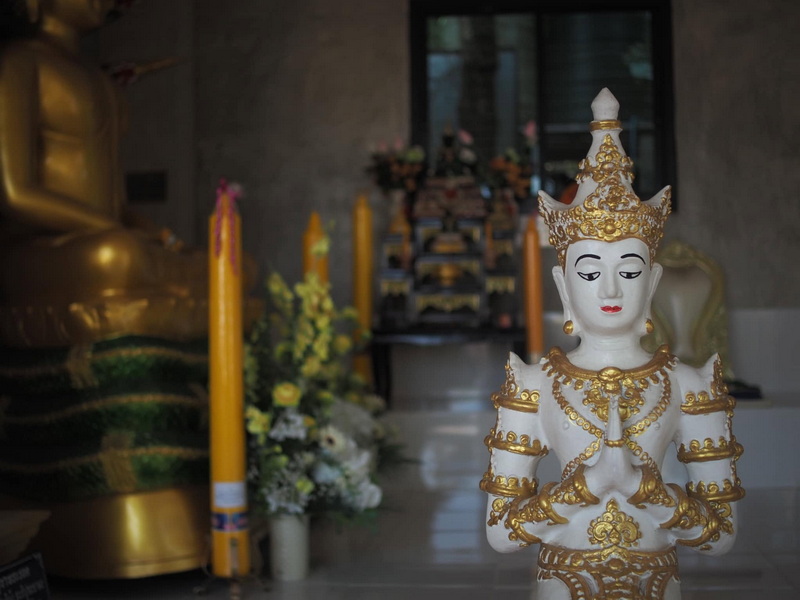
White and gold deity statue with crown and jewelry inside a temple setting at Phra That in Kwaen.

Visitor Tips and Travel Information for Lamphun

When planning a visit to Lamphun’s temples, including Phra Buddha Bhat Phra That In Kwaen Lamphun, it is important to respect local customs. Modest clothing covering shoulders and knees is recommended, and visitors should remove shoes when entering temple buildings.

The best time to visit Lamphun is during the cooler months from November to February, when weather conditions are more comfortable for outdoor exploration. Early mornings and late afternoons are ideal for visiting temples to avoid the midday heat and crowds.

Transportation options include local taxis, tuk-tuks, and rental vehicles. Many Chiang Mai trip packages include transportation to Lamphun, simplifying logistics for travelers. It is advisable to carry small offerings or donations if participating in temple activities, as this is a customary practice.

Photography is generally allowed outside of main worship areas, but visitors should always ask permission and avoid disrupting ceremonies. Engaging with local guides can enhance understanding of the cultural and historical significance of each site.

Nearby Attractions

Wat Chamadevi

Golden Buddha statue inside a colorful temple with intricate patterns and smaller statues at Wat Chamadevi.

Wat Chamadevi holds a special place in Lamphun’s history as it commemorates Queen Chamadevi, the city’s founder. The temple features a mix of ancient relics and active worship areas, making it both a historical site and a living religious center.

Its architecture reflects the Lanna style with elegantly tiered roofs and detailed woodwork. Visitors often appreciate the temple’s tranquil gardens and the opportunity to learn about Lamphun’s origins through guided tours or informational displays.

As a nearby attraction to Phra That In Kwaen, Wat Chamadevi complements the spiritual and historical exploration of the area, offering a broader perspective on the region’s cultural heritage.

Wat San Pa Yang Luang

Traditional Thai temple with ornate roof and gold decorations surrounded by greenery at Wat San Pa Yang Luang.

Wat San Pa Yang Luang is a smaller temple that provides a peaceful retreat from the more frequented tourist sites. Known for its simple yet beautiful northern Thai design, it is a favorite among locals for daily worship and community events.

Visitors to this temple can experience a more intimate side of Lamphun’s religious life. The temple grounds include traditional murals and statues that illustrate Buddhist teachings and local folklore.

Its proximity to Phra Buddha Bhat Phra That In Kwaen Lamphun makes it an accessible stop for travelers wishing to deepen their understanding of Lamphun’s temple culture and community practices.

Where the Experience Leads Next

Exploring Phra Buddha Bhat Phra That In Kwaen Lamphun alongside nearby attractions like Wat Chamadevi and Wat San Pa Yang Luang offers travelers a meaningful glimpse into the cultural and spiritual heart of Lamphun Province. With careful planning and respectful engagement, visitors can enjoy a rich experience that combines history, architecture, and living traditions. Whether included in Chiang Mai trip packages or visited independently, Lamphun’s temples provide a serene and insightful journey into northern Thailand’s heritage.

Fang Hot Spring Chiang Mai Day Trip Guide for Relaxation and Exploration

Fang Hot Spring Chiang Mai Day Trip Guide for Relaxation and Exploration

Discover practical day trip options to Fang Hot Spring and explore nearby natural and cultural attractions in Chiang Mai.

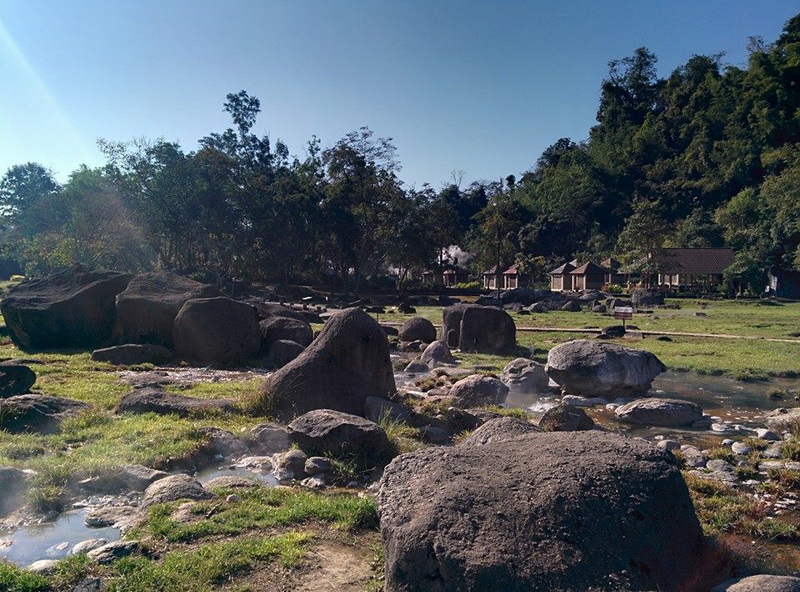
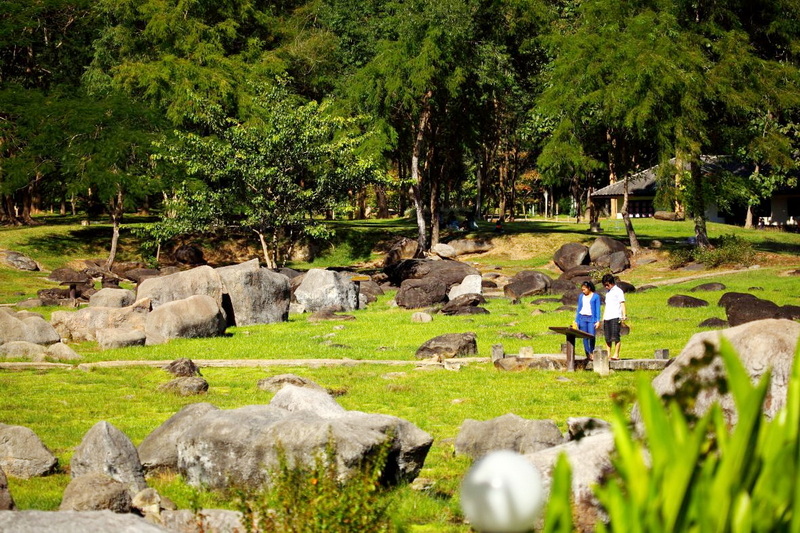
Open grassy landscape with rocks and trees under a clear sky at Fang Hot Spring.

For travelers seeking a refreshing day trip from Chiang Mai, Fang Hot Spring offers a unique blend of natural relaxation and cultural discovery. Nestled in the scenic Fang District, this hot spring destination is ideal for a short visit that combines wellness with exploration. Whether you’re interested in soaking in mineral-rich waters or pairing your trip with nearby national parks, Fang Hot Spring provides a practical and memorable experience. This guide focuses on day trip experiences to Chiang Mai hot springs, highlighting tours that cater to short visits and showcasing key tourist attractions accessible around Fang Hot Spring. With a practical approach to planning, travelers can efficiently enjoy thermal pools, explore local nature, and appreciate the region’s serene environment all within a single day. The information here is crafted to help visitors make the most of their time while respecting local culture and the environment.

Overview of Day Trip Options to Fang Hot Spring

Fang Hot Spring is one of the most accessible natural hot springs near Chiang Mai, making it a popular choice for day trips. Its location in the Fang District allows visitors to enjoy a peaceful retreat away from the city’s bustle without extensive travel time. The hot spring pools are known for their warm, mineral-rich waters that provide therapeutic benefits and a relaxing atmosphere. Travelers researching Tours Chiang Mai can use these details when planning the trip. Travelers researching Chiang Mai Tourist Attractions can use these details when planning the trip.

Day trips to Fang Hot Spring typically involve a combination of soaking in the thermal pools, walking around the well-maintained park grounds, and sometimes visiting nearby local markets or small cultural sites. The site is visitor-friendly, with facilities designed to accommodate day visitors who want to unwind and recharge. It’s an excellent destination for those who want a wellness experience combined with light outdoor activity.

Visitors planning a Chiang Mai hot springs day trip often choose guided tours that include transportation and an itinerary focused on maximizing time spent at the hot spring and surrounding attractions. These tours cater to travelers who prefer convenience and local insights, often highlighting lesser-known spots and offering background on the natural and cultural significance of the area.

Tours Available for Day Trips Around Fang Hot Spring

Several tour operators in Chiang Mai offer day trips specifically designed to include Fang Hot Spring as a highlight. These tours typically start early in the morning, providing pick-up service from the city and returning by evening. They often bundle Fang Hot Spring with other attractions to give travelers a comprehensive experience of northern Thailand’s natural beauty.

Tour options vary from small group excursions to private tours, allowing flexibility depending on your preference for socializing or privacy. Most tours emphasize a balanced schedule with time allocated for soaking in the hot springs, enjoying local cuisine, and visiting nearby natural sites. Guides provide practical tips on how to enjoy the hot spring safely and respectfully, ensuring visitors understand the cultural context and environmental guidelines.

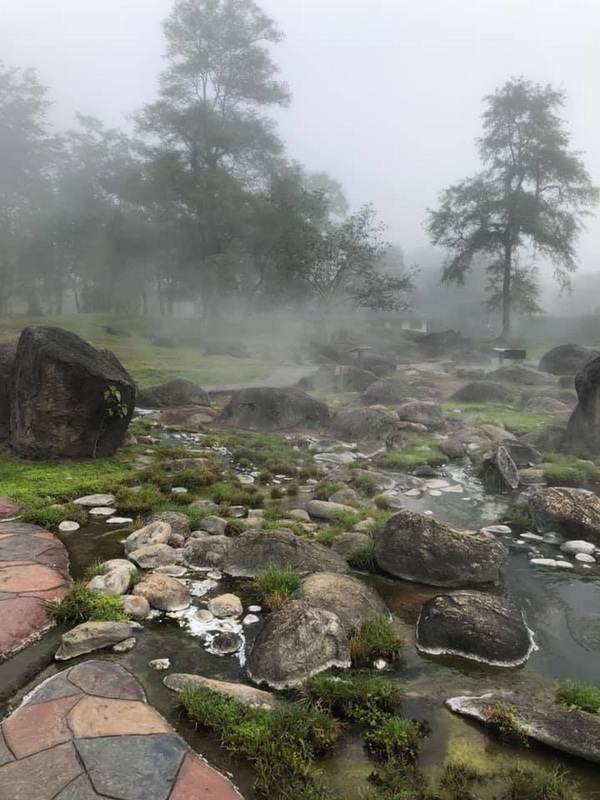
Foggy landscape with stream, rocks, and tall trees in a lush setting at Fang Hot Spring.

For independent travelers, there are also self-guided options using local transport or rental vehicles. However, choosing a tour can simplify logistics and enrich the experience with expert knowledge. When booking, it’s advisable to confirm that the tour is suitable for a one-day visit and that it respects the environment and local communities.

Tourist Attractions to Combine with Fang Hot Spring Visits

Fang Hot Spring is ideally positioned for visitors who want to explore more of the Chiang Mai region’s natural and cultural offerings in a single day. Nearby attractions provide opportunities for hiking, wildlife observation, and cultural immersion, making the area attractive for diverse interests.

One popular combination is visiting Doi Pha Hom Pok National Park, which is known for its stunning mountain scenery and rich biodiversity. The park offers hiking trails that vary in difficulty, allowing travelers to enjoy both gentle walks and more challenging treks. After a morning or afternoon at the hot springs, a visit to the national park adds an adventurous element to the day trip.

Another notable nearby attraction is Doi Ang Khang, a mountainous area famous for its cool climate, botanical gardens, and hill tribe villages. This destination complements the hot spring experience by introducing visitors to the region’s agricultural practices and local cultures. Many tours include stops at Doi Ang Khang to provide a fuller picture of northern Thailand’s natural and cultural landscape.

Practical Tips for Planning Your Chiang Mai Hot Springs Day Trip

When planning a day trip to Fang Hot Spring, consider starting early to make the most of daylight hours and to avoid crowds, especially on weekends or holidays. The hot spring area is best enjoyed before midday or late afternoon when temperatures are pleasant and the atmosphere is quieter.

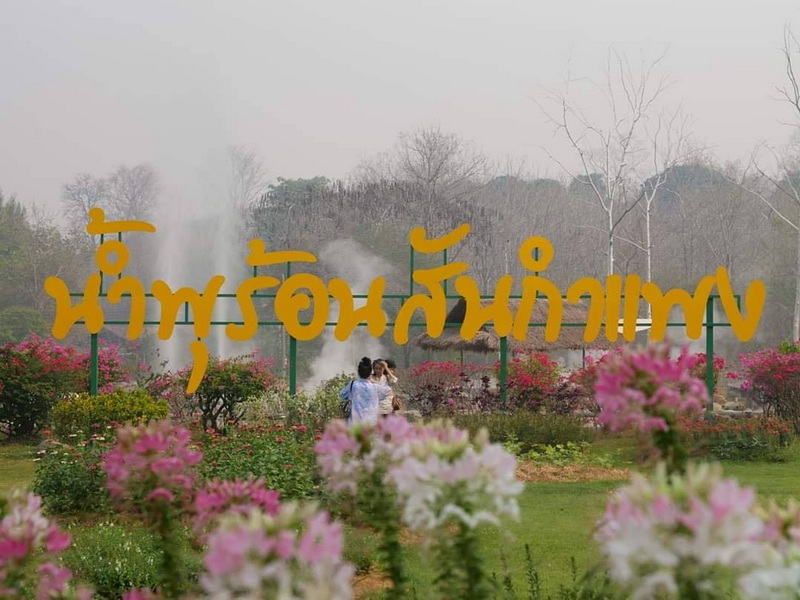
Sign with Thai script over a park with pink and white flowers and walking visitors at Chiang Mai Hot Springs.

Bring swimwear, a towel, and water shoes if possible, as the pools can be rocky or slippery. While some facilities provide changing rooms and shower areas, having your own essentials ensures comfort. It’s also wise to pack light snacks and water, although local vendors near the site may offer refreshments.

Respecting local customs and environmental rules is important. Avoid using soaps or shampoos in the pools, and dispose of any waste properly. Engaging with local guides or tour operators who follow sustainable practices helps support the community and preserves the natural beauty of the area.

Two individuals walking among rocks and trees in a lush park setting at Fang Hot Spring.

Check the weather forecast before your trip, as heavy rains can affect accessibility and the overall experience. Planning your visit during the cooler months from November to February can enhance comfort, especially when combining the hot springs with outdoor activities.

Key Points for Visitors on a Chiang Mai Hot Springs Day Trip

Fang Hot Spring offers a convenient and rejuvenating destination for travelers seeking a short wellness escape near Chiang Mai. Its natural thermal pools provide a soothing environment complemented by serene surroundings.

Day trip tours from Chiang Mai frequently incorporate Fang Hot Spring with other natural and cultural attractions, making it easy to enjoy multiple highlights in one outing. Choosing a guided tour can enhance the experience through expert insights and seamless logistics.

Nearby national parks like Doi Pha Hom Pok and mountain retreats such as Doi Ang Khang add variety to the itinerary, offering opportunities for hiking, nature appreciation, and cultural exploration.

Practical planning, including appropriate gear and respectful behavior, ensures a safe and enjoyable visit. This approach helps travelers balance relaxation with adventure while supporting sustainable tourism in the region.

Nearby Attractions

Doi Pha Hom Pok National Park

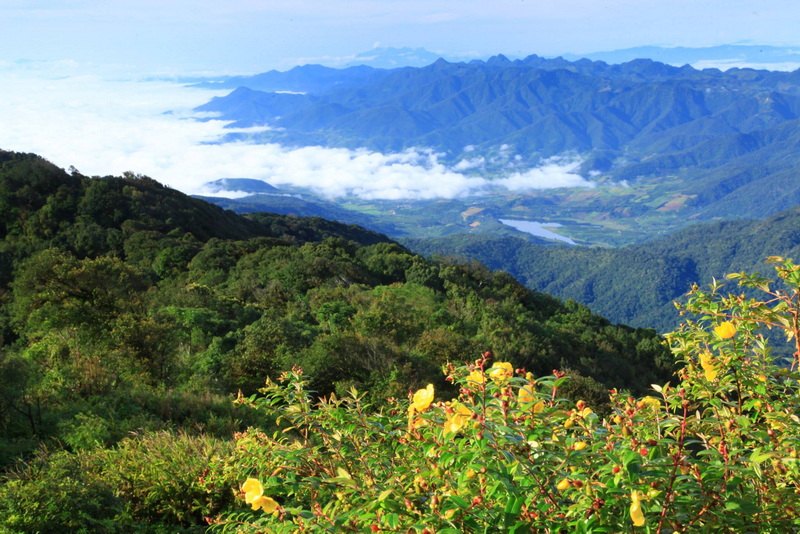
Panoramic view of green mountains with clouds over a valley and distant peaks at Doi Pha Hom Pok National Park.

Doi Pha Hom Pok National Park is a stunning natural area near Fang Hot Spring, known for its dramatic mountain landscapes and diverse ecosystems. The park features a variety of hiking trails that range from easy walks to more strenuous climbs, making it accessible for visitors with different fitness levels.

The park’s rich biodiversity includes unique flora and fauna, attracting nature lovers and bird watchers. It is an excellent spot for those who want to combine the relaxation of hot springs with outdoor adventure and scenic views.

Visitors can also enjoy picnic areas and viewpoints that showcase panoramic vistas of the surrounding valleys and peaks. The tranquil atmosphere of the park complements the soothing experience of Fang Hot Spring, creating a well-rounded nature-focused day trip.

Doi Ang Khang

Wide mountain landscape with fog-filled valley and blue sky above at Doi Ang Khang.

Doi Ang Khang is a mountainous region near Fang District, famous for its cool climate and agricultural landscapes. It is home to botanical gardens that highlight a wide variety of flowers and plants, including many species not commonly found in other parts of Thailand.

The area is also known for its hill tribe villages, where visitors can learn about local cultures and traditional farming practices. This cultural aspect adds depth to the day trip experience, providing insight into the lives of northern Thailand’s indigenous communities.

Doi Ang Khang’s serene environment and picturesque scenery make it a popular destination for those who wish to extend their visit beyond the hot springs. The combination of natural beauty and cultural richness offers a diverse and rewarding excursion.

Where the Experience Leads Next

A day trip to Fang Hot Spring offers a perfect balance of relaxation and exploration, especially for travelers interested in short visits around Chiang Mai. By combining time at the soothing thermal pools with visits to nearby attractions like Doi Pha Hom Pok National Park and Doi Ang Khang, visitors can experience the natural and cultural richness of northern Thailand in a practical and enjoyable way. Thoughtful planning, respect for the local environment, and choosing tours that emphasize sustainability will ensure a rewarding and memorable trip.

Fishing Tour Packages and Action Adventure Near Chiang Mai Fishing Park

Fishing Tour Packages and Action Adventure Near Chiang Mai Fishing Park

Explore exciting fishing tours and thrilling adventure activities around Chiang Mai Fishing Park with essential visitor insights

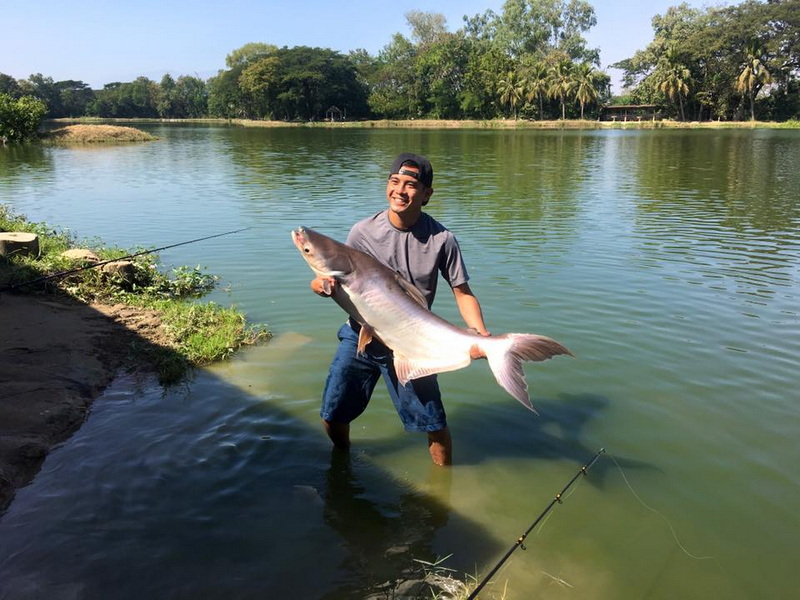
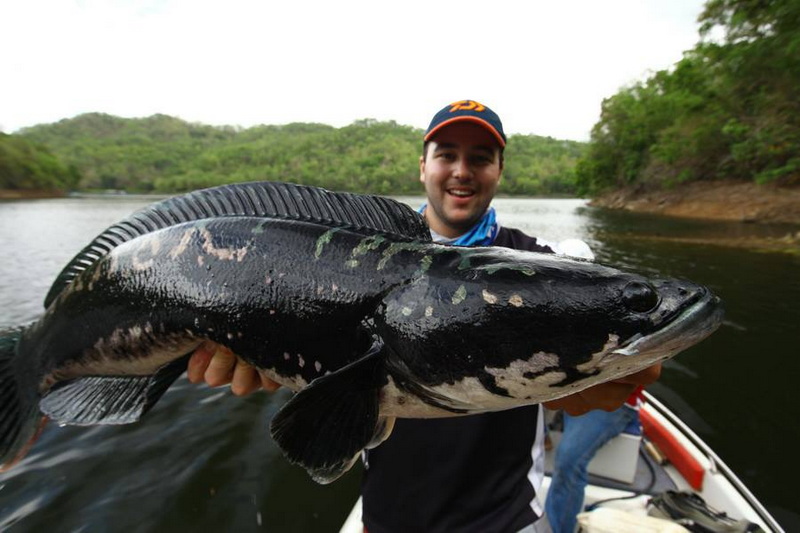
Man holding a large fish near a lake with trees in the background at Chiang Mai Fishing Park.

Nestled in the scenic San Kamphaeng District, Chiang Mai Fishing Park offers more than just a tranquil spot for fishing enthusiasts; it serves as a gateway to a variety of exciting fishing tour packages and action-packed adventures. For travelers eager to combine the calm of fishing with the thrill of outdoor activities, this area presents a unique blend of experiences. Whether you're a first-time visitor or a seasoned angler, the fishing parks here provide well-organized tours suited for different levels of expertise and interest. Beyond the fishing lakes, the surrounding region is rich with opportunities for adventure seekers looking to complement their trip with activities like water parks and cave exploration. This article guides you through the available fishing tour packages and highlights the best action and adventure options near Chiang Mai Fishing Park, offering practical tips to help you plan a memorable visit. With a focus on local visitor insights and respectful engagement with the community, you'll find everything you need to make the most of your outdoor journey in northern Thailand.

Overview of Fishing Tour Packages Near Chiang Mai Fishing Park

Chiang Mai Fishing Park is renowned for its variety of fishing tour packages that cater to different interests and schedules. Visitors can choose from half-day trips that provide a quick and engaging experience to full-day adventures that allow ample time to fish, relax, and explore the natural surroundings. These packages often include access to well-maintained fishing ponds stocked with a diverse range of freshwater fish species, making it an ideal spot for both beginners and experienced anglers. Travelers researching Chiang Mai Fishing Tour Packages can use these details when planning the trip. Travelers researching Action And Adventure Chiang Mai can use these details when planning the trip. Travelers researching Chiang Mai Fishing Park Visitor Guide can use these details when planning the trip.

Many packages provide all necessary equipment such as rods, bait, and sometimes even a guide who can assist with fishing techniques and local knowledge. This makes it easy for travelers to join without prior preparation. The tours emphasize a balance between leisure and activity, encouraging visitors to enjoy the peaceful environment while engaging in fishing as a rewarding outdoor pursuit.

Beyond the fishing itself, some tour packages offer additional elements like picnic spots, shaded rest areas, and onsite food vendors, enhancing the overall visitor experience. The fishing parks in this area are known for their clean, natural ambiance and well-organized facilities, contributing to a comfortable and enjoyable day out.

For those interested in a more immersive experience, customized fishing tours can sometimes be arranged through local operators, allowing for tailored itineraries that might include visits to multiple fishing spots or integration with other outdoor activities in the region.

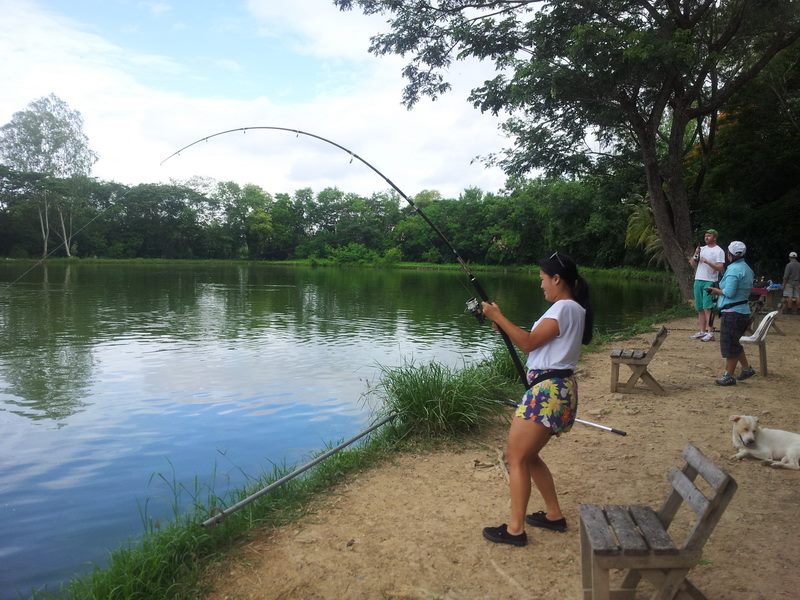
Woman fishing by the river surrounded by trees and other people at Chiang Mai Fishing Park.

Complementary Action and Adventure Activities Around Chiang Mai Fishing Park

While fishing offers a calming connection with nature, the area surrounding Chiang Mai Fishing Park is also a hotspot for action and adventure enthusiasts. Adventure seekers can find a variety of activities that provide excitement and physical engagement close to the fishing sites.

One popular nearby destination is the Tube Trek Water Park, an outdoor attraction where visitors can experience river tubing through scenic natural landscapes. This water-based adventure is suitable for a range of ages and skill levels, offering a refreshing complement to the fishing experience. It combines the thrill of navigating gentle rapids with the beauty of the surrounding forested environment.

For those interested in exploring natural caves and geological formations, Muang On Cave is another nearby attraction that offers a different kind of adventure. The cave features impressive stalactites and stalagmites, and visitors can enjoy guided tours that provide insight into the area's natural history and ecosystem. This activity adds an educational element to any trip centered around the fishing park.

Together, these adventure options create a dynamic itinerary possibility for visitors who want to balance relaxation with active exploration, making the San Kamphaeng District a versatile destination for diverse traveler interests.

Practical Visitor Guide for Planning Your Trip to Chiang Mai Fishing Park

Planning a visit to Chiang Mai Fishing Park and its surrounding attractions involves a few practical considerations to ensure a smooth and enjoyable experience. Firstly, it’s advisable to check the availability of fishing tour packages in advance, especially during peak travel seasons, to secure your preferred time and type of tour.

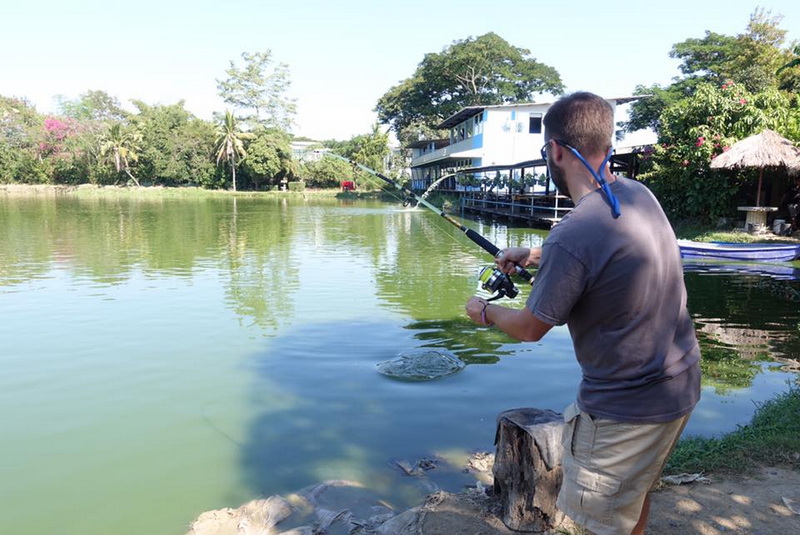
Man fishing by a lake on a sunny day with trees and structures nearby at Chiang Mai Fishing Park.

Visitors should also consider the local climate and weather conditions, as the best fishing and outdoor adventure experiences occur during the cooler, drier months. Bringing appropriate clothing, sun protection, and insect repellent will enhance comfort during your trip.

Transportation options to San Kamphaeng District are relatively straightforward, with local taxis and motorbike rentals commonly available from Chiang Mai city. Many tour operators also provide pick-up and drop-off services, which can add convenience for travelers unfamiliar with the area.

Respect for the local environment and community is important. Visitors are encouraged to follow guidelines provided by tour operators, avoid littering, and engage respectfully with local staff and residents. This approach helps preserve the natural beauty and cultural integrity of the area.

Lastly, while the fishing parks are well-equipped, bringing along any personal fishing gear or specialty bait can be beneficial if you have particular preferences. However, the provided equipment generally meets the needs of most visitors.

Tips for Combining Fishing Tours with Adventure Activities

To maximize your visit to Chiang Mai Fishing Park, consider combining a fishing tour with one or more of the nearby adventure activities. For example, a morning spent fishing can be followed by an afternoon at Tube Trek Water Park, offering a refreshing change of pace and variety to your day.

Man holding a large fish on a boat in a river surrounded by trees at Chiang Mai Fishing Park.

Scheduling enough time to explore Muang On Cave either before or after your fishing trip adds a cultural and natural dimension to your itinerary. This mix of activities allows visitors to engage with the diverse landscapes and ecosystems of the San Kamphaeng District.

Booking combined packages or consulting local tour operators can help streamline your plans, often providing transportation and guiding services that cover multiple attractions. This approach reduces logistical challenges and creates a seamless adventure experience.

Additionally, consider timing your visit to avoid the hottest hours of the day by starting early or planning breaks during midday. This can make both fishing and adventure activities more enjoyable and comfortable.

Engaging with local guides not only enriches your knowledge about the environment and culture but also supports sustainable tourism practices in the region.

Nearby Attractions

Muang On Cave

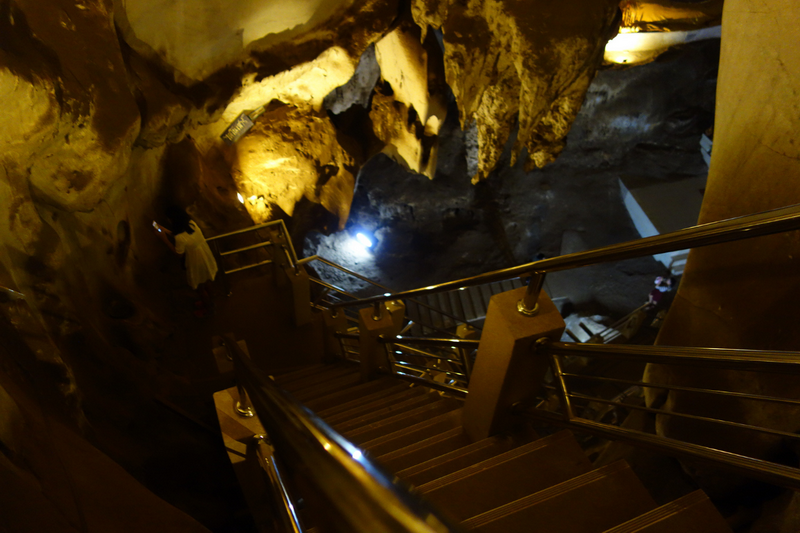
Staircase leading into a dark, rocky cave interior with illuminated walls at Muang On Cave.

Muang On Cave is a fascinating natural site near Chiang Mai Fishing Park, known for its impressive limestone formations and tranquil atmosphere. Visitors can explore the cave’s interior through guided tours that highlight its geological features and the local ecosystem.

The cave is accessible via a short hike through lush surroundings, offering an immersive nature experience. It’s an excellent destination for travelers interested in geology, natural history, or simply seeking a peaceful retreat away from more crowded tourist spots.

Exploring Muang On Cave complements the outdoor adventure theme of the region and provides a quieter, contemplative contrast to more active pursuits like water sports.

Tube Trek Water Park

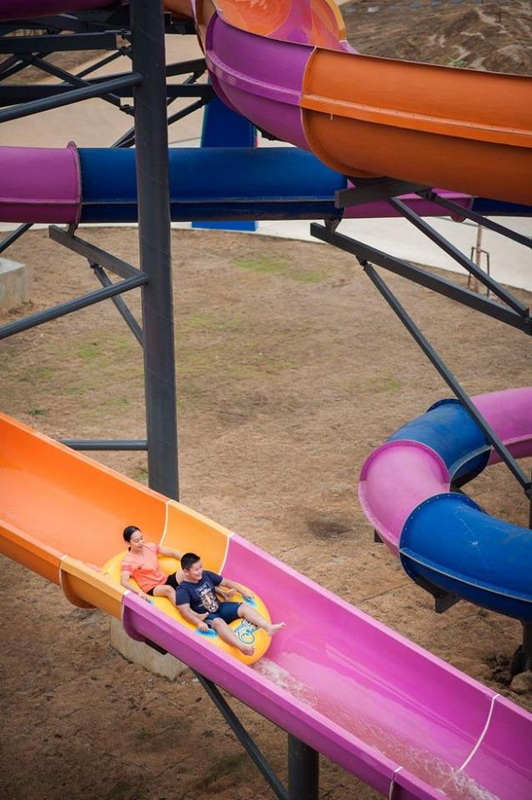
Children enjoying a ride on a pink water slide with colorful tubes around them at Tube Trek Water Park.

Located close to Chiang Mai Fishing Park, Tube Trek Water Park offers a fun and refreshing adventure for visitors of all ages. The park features river tubing through gentle rapids, allowing guests to float downstream while enjoying the natural scenery.

This water activity is particularly popular during the warmer months, providing a cool escape and an opportunity for light exercise and socializing. Safety measures and equipment are provided to ensure a secure experience.

The park’s setting amidst forested landscapes enhances the sense of adventure and connection with nature, making it an ideal complement to the fishing tours in the area.

Where the Experience Leads Next

Chiang Mai Fishing Park and its surroundings offer a compelling blend of peaceful fishing experiences and exhilarating adventure activities. By exploring the diverse fishing tour packages and nearby attractions like Muang On Cave and Tube Trek Water Park, visitors can create a well-rounded itinerary that satisfies both relaxation and excitement. Thoughtful planning, respect for local culture, and engagement with the natural environment will ensure your visit is memorable and rewarding. Whether you seek a quiet day by the water or an active outdoor adventure, this region presents a welcoming destination for all types of travelers.

Exploring Pha Chor in the Context of Top National Parks and Tours in Northern Thailand

Exploring Pha Chor in the Context of Top National Parks and Tours in Northern Thailand

Discover the geological marvel of Pha Chor and its role in Chiang Mai tours alongside nearby natural and cultural attractions.

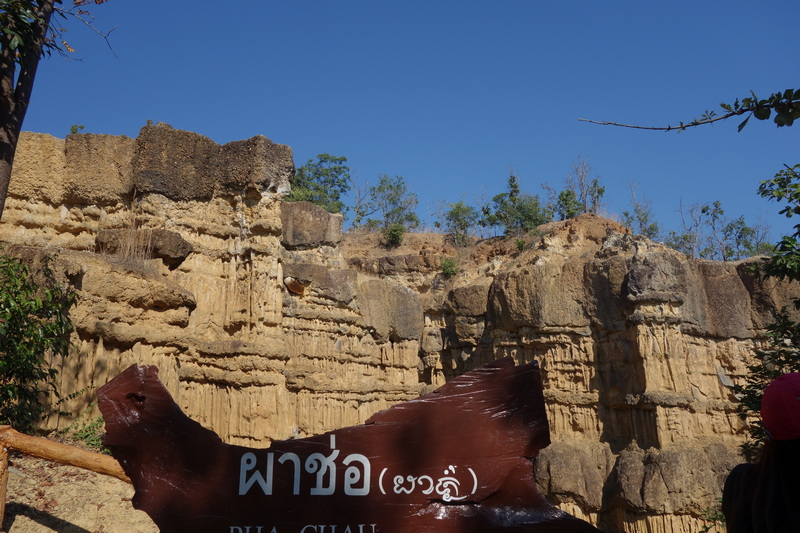
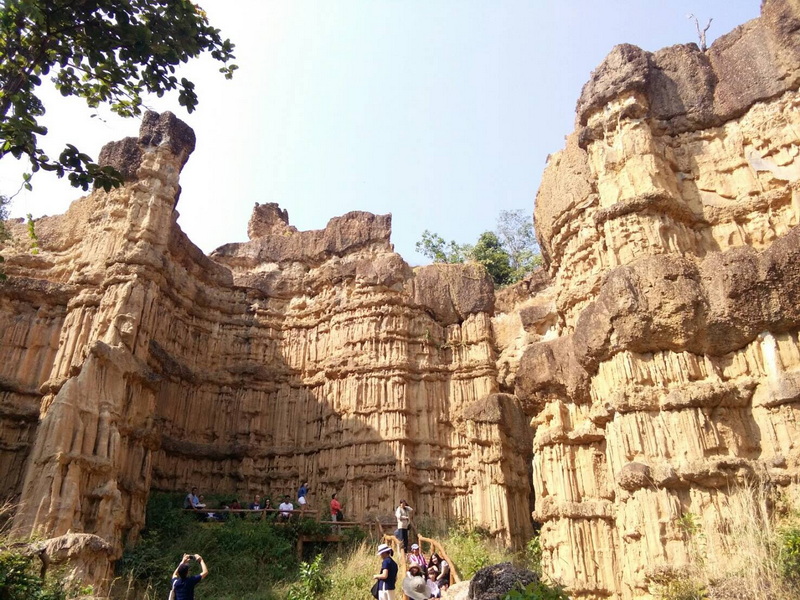
Layered rocky cliff with clear blue sky and some greenery at top at Pha Chor.

Nestled within Mae Wang District, Chiang Mai, Pha Chor stands as a striking example of natural geological artistry often referred to as the Grand Canyon of Chiang Mai. This unique formation, carved by centuries of erosion, offers visitors a rare glimpse into the dynamic earth processes that shape northern Thailand’s landscape. As part of the top national parks in the north of Thailand, Pha Chor is an essential destination for travelers drawn to dramatic natural scenery and geological wonders. Tours Chiang Mai frequently include Pha Chor as a highlight, capitalizing on its stunning cliffs and panoramic views. Beyond its geological significance, Pha Chor is well integrated into regional itineraries that combine outdoor adventure with cultural experiences. Nearby attractions such as Wat Luang Khun Win and Bamboo Rafting in Mae Wang provide complementary activities that enrich the visitor’s journey, blending nature, culture, and recreation in a harmonious travel experience. This article delves into the geological and touristic importance of Pha Chor, shedding light on why it is a must-see within northern Thailand’s national parks. It also explores how Pha Chor enhances tours in Chiang Mai and introduces nearby attractions that offer additional layers of interest for visitors eager to discover the Mae Wang District’s diverse offerings.

Geological Features of Pha Chor

Pha Chor is renowned for its striking geological formations that resemble a miniature Grand Canyon, a rare sight in Southeast Asia. Formed over thousands of years through the natural processes of erosion and sedimentation, the cliffs and pillars of Pha Chor reveal layers of earth that tell a story of ancient rivers and shifting landscapes. The site’s towering sandstone cliffs rise dramatically above the valley floor, carved by the Mae Wang River’s persistent flow, creating a labyrinth of ridges and gullies.

The unique shapes and textures of Pha Chor’s formations are a result of contrasting erosion rates between harder and softer sediment layers. This uneven erosion has produced a variety of shapes, from slender spires to massive walls, all testament to the power of natural forces. The reddish hues of the sandstone, changing subtly with the light throughout the day, add to the site’s visual impact and underscore its geological significance within northern Thailand’s natural heritage.

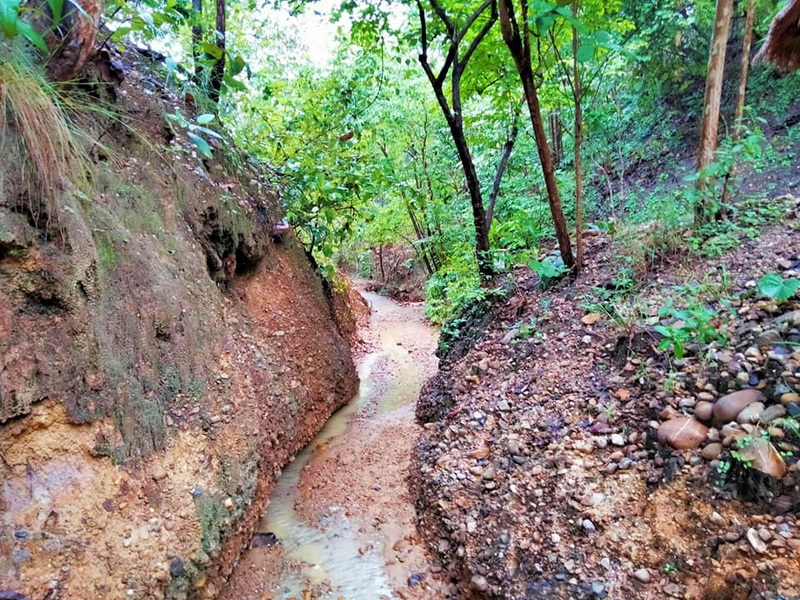
Dirt trail with muddy water flowing through a dense green forest at Pha Chor.

Touristic Significance and Integration in Chiang Mai Tours

Pha Chor’s captivating landscape has made it a favored destination for tours Chiang Mai, attracting travelers interested in both nature and adventure. Its accessibility from Chiang Mai city allows for convenient day trips, making it an ideal stop for those seeking a blend of scenic beauty and outdoor activity. Local tour operators often include Pha Chor as a highlight within broader itineraries that explore northern Thailand’s national parks and natural attractions.

Visitors to Pha Chor can enjoy hiking along well-marked trails that lead to viewpoints overlooking the vast canyon-like formations. These vantage points offer breathtaking panoramas and photo opportunities that capture the essence of the Grand Canyon of Chiang Mai. The site’s natural environment encourages exploration and appreciation of northern Thailand’s diverse ecosystems, contributing to its growing reputation as a must-visit location for nature lovers and geotourists alike.

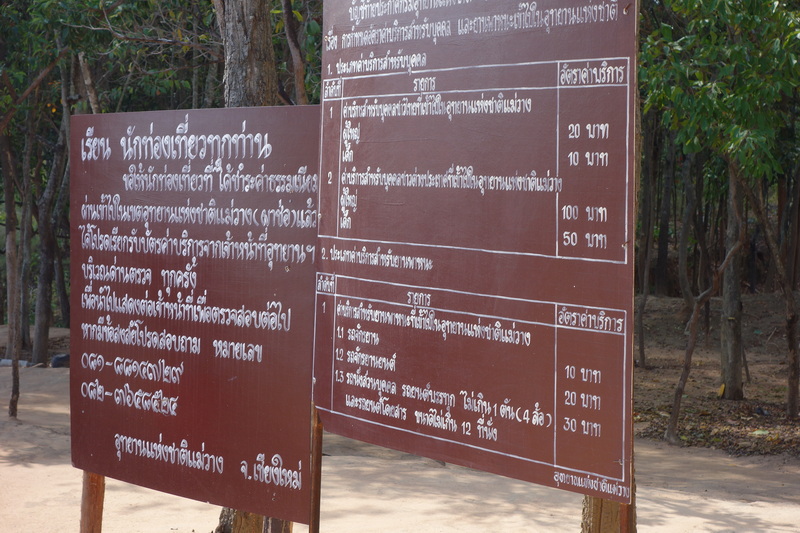
Brown signboard with Thai writing surrounded by trees and lush greenery at Pha Chor.

Complementary Nearby Attractions Enhancing the Visitor Experience

Beyond Pha Chor itself, the Mae Wang District offers additional attractions that complement a visit to this geological wonder. Wat Luang Khun Win, a serene Buddhist temple nearby, provides cultural insight and a peaceful atmosphere for reflection. Its traditional architecture and tranquil setting offer a contrast to the rugged natural scenery of Pha Chor, enriching the visitor’s understanding of the region’s cultural landscape.

For those seeking active outdoor pursuits, Bamboo Rafting in Mae Wang presents a unique way to experience the area’s waterways and forested surroundings. This gentle rafting adventure allows travelers to engage with the local environment from a different perspective, combining relaxation with a touch of excitement. Together, these nearby attractions contribute to a well-rounded itinerary that balances nature, culture, and recreation within the framework of tours Chiang Mai.

Striated rock cliffs with visitors exploring the base outdoors at Pha Chor.

Visitor Considerations and Tour Relevance

When planning a visit to Pha Chor, it is important to prepare for varying weather conditions, as the area can be hot and dry during the day with cooler evenings. Comfortable walking shoes and sun protection are recommended for exploring the trails safely. The site is accessible to a range of visitors, though some walking and moderate hiking are required to reach the best viewpoints.

Pha Chor’s inclusion in tours Chiang Mai highlights its significance as a regional natural attraction that complements broader travel plans in northern Thailand. It offers an opportunity to engage with the geological history of the area while also enjoying the scenic beauty that defines the top national parks in the north of Thailand. Visitors benefit from the combination of natural spectacle and nearby cultural and recreational activities, making Pha Chor an integral part of the northern Thailand travel experience.

Nearby Attractions

Wat Luang Khun Win

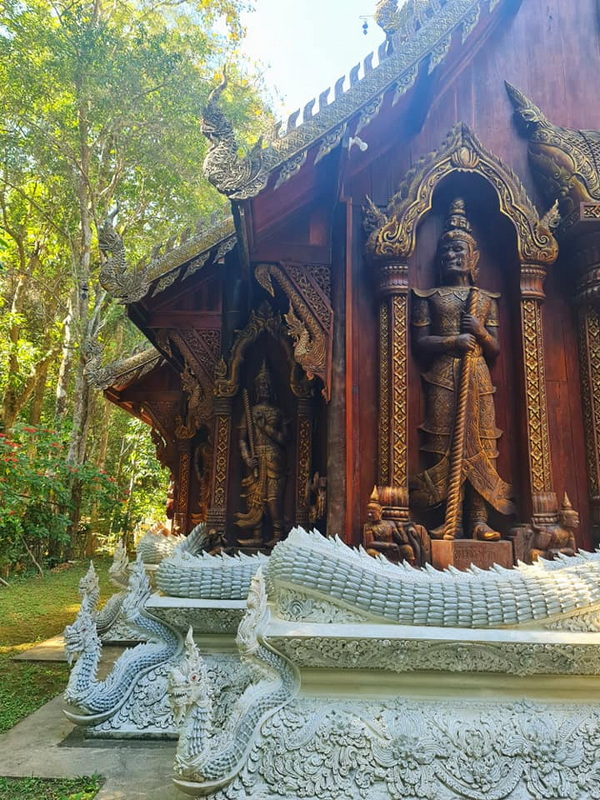
Wooden guardian statues on the side of a traditional Thai temple surrounded by trees at Wat Luang Khun Win.

Wat Luang Khun Win is a peaceful temple located near Pha Chor that provides a welcoming cultural complement to the natural surroundings. The temple’s architecture reflects traditional northern Thai styles, offering visitors a glimpse into local religious practices and artistic heritage. Its serene atmosphere invites contemplation and relaxation after exploring the dramatic landscapes of Pha Chor.

Visitors often appreciate the quiet beauty of Wat Luang Khun Win, where intricate wood carvings and carefully maintained grounds create a respectful and tranquil environment. The temple’s proximity to Pha Chor makes it an accessible and worthwhile stop for travelers seeking a broader understanding of the Mae Wang District’s cultural identity.

Bamboo Rafting in Mae Wang

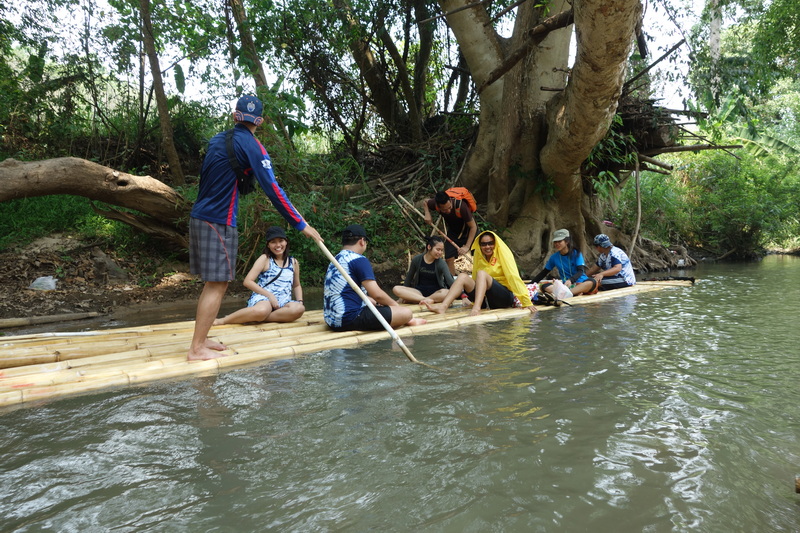
People sitting on a bamboo raft next to a large tree in a lush river setting at Bamboo Rafting in Mae Wang.

Bamboo Rafting in Mae Wang is an engaging way to experience the district’s lush riverine environment. Floating gently down the Mae Wang River on a traditional bamboo raft, visitors can observe the surrounding forests, birdlife, and rural landscapes from a unique vantage point. This activity offers a peaceful yet immersive connection to the natural world, contrasting with the dramatic cliffs of Pha Chor.

The rafting experience is suitable for a wide range of travelers, including families and nature enthusiasts, providing a slow-paced adventure that highlights the region’s biodiversity. It complements the geological exploration of Pha Chor by adding an element of water-based recreation, enriching the overall tour experience in northern Thailand.

Where the Experience Leads Next

Pha Chor’s remarkable geological formations make it a standout feature among the top national parks in the north of Thailand, offering visitors a rare opportunity to witness the forces of nature sculpting the earth. Its role within tours Chiang Mai is well established, providing both a natural spectacle and a gateway to nearby experiences that deepen the journey. Whether marveling at the Grand Canyon of Chiang Mai or enjoying the tranquil cultural sites and river adventures nearby, travelers leave with a richer appreciation of this diverse region. Pha Chor and its surroundings invite exploration, reflection, and connection with northern Thailand’s unique landscape and heritage.

Exploring Chiang Mai Orchid Farms and Stunning Flower Fields

Exploring Chiang Mai Orchid Farms and Stunning Flower Fields Discover the vibrant beauty and seasonal charm of orchid farms and flower fie...