Chamadevi Temple Among Attractions in Lamphun
Exploring the cultural and spiritual highlights of Lamphun through Chamadevi Temple and its nearby sacred sites
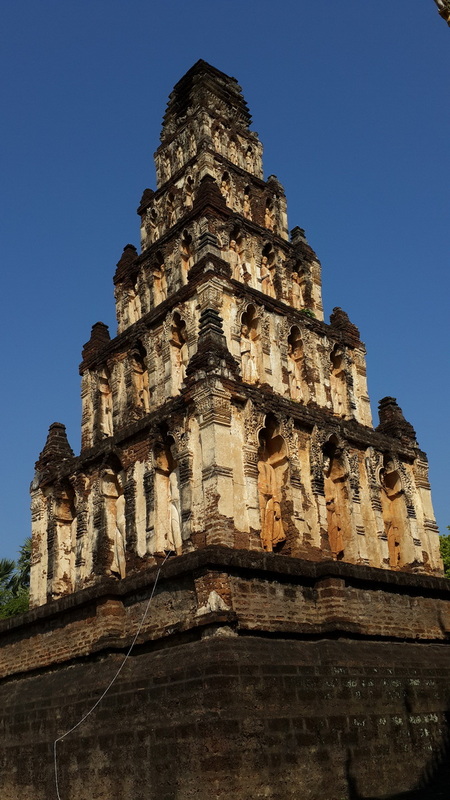
Nestled in the heart of Mueang Lamphun District, Lamphun, Chamadevi Temple stands as a serene and culturally rich destination for travelers seeking to immerse themselves in northern Thailand’s heritage. This temple, also known by several names including Wat Chamadevi and Ku Kut Temple, offers visitors a peaceful setting to appreciate local religious architecture and the spiritual traditions that have shaped the region. Lamphun itself is a province filled with historic temples and cultural landmarks, making it an essential stop for those exploring Attractions in Lamphun. Chamadevi Temple is particularly significant due to its connection with the ancient Lanna Kingdom and its role in the spiritual life of the community. Visitors can enjoy a contemplative atmosphere here, which is complemented by nearby temples and monuments that collectively showcase the area’s rich cultural tapestry. For travelers planning a visit, especially those considering Chiang Mai Trip Packages that include excursions to Lamphun, understanding the unique appeal of Chamadevi Temple and its surroundings enhances the experience. This guide provides a balanced overview of Chamadevi Temple, its architectural and cultural importance, and nearby attractions such as Ku Chang Ku Ma and Wat San Pa Yang Luang, helping visitors prepare for a respectful and enriching visit.
Overview of Attractions in Lamphun
Lamphun Province, located just south of Chiang Mai, is known for its rich history and numerous temples that reflect the Lanna cultural heritage. The area is less crowded than its more famous neighbor, offering a tranquil environment for visitors interested in spiritual and historical exploration. Among its many sites, Chamadevi Temple and Wat Ku Kut stand out as prominent places of worship and cultural interest.
Attractions in Lamphun are characterized by their intricate architecture, serene natural surroundings, and deep ties to the region’s past. Many temples here date back centuries and feature traditional northern Thai designs, including multi-tiered roofs, elaborate carvings, and vibrant murals that tell stories from Buddhist teachings and local legends.
Visitors seeking to explore beyond the usual tourist paths will find Lamphun’s temples both accessible and welcoming. The province’s attractions provide insight into the daily spiritual practices of local communities, while also offering picturesque settings perfect for photography and quiet reflection.
Chamadevi Temple and Wat Ku Kut
Chamadevi Temple, also referred to as Wat Chamadevi or Ku Kut Temple, is named after Queen Chamadevi, the legendary founder of Lamphun. The temple site is a focal point of local devotion and a fine example of northern Thai temple architecture. Its peaceful compound houses several important Buddha images and features a graceful chedi (stupa) that draws visitors’ attention.
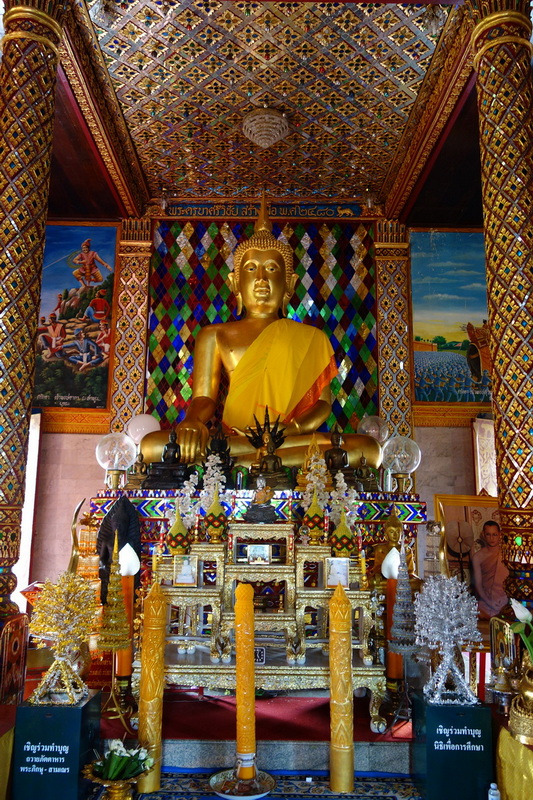
Wat Ku Kut, often associated with Chamadevi Temple, is another key religious site nearby. This temple is known for its distinctive Lanna-style architecture and its role in the spiritual life of Lamphun residents. Both temples offer visitors a chance to observe traditional Buddhist practices and appreciate the artistry involved in their construction and decoration.
The temples are not only places of worship but also cultural landmarks where visitors can learn about Lamphun’s history. Respectful behavior is encouraged, such as dressing modestly, removing shoes before entering sacred buildings, and maintaining a quiet demeanor to honor the sanctity of these spaces.
Nearby Attractions to Complement Your Visit
When visiting Chamadevi Temple, it is worthwhile to explore nearby sites that enrich the cultural and spiritual experience. Among these are Ku Chang Ku Ma and Wat San Pa Yang Luang, both offering distinct perspectives on Lamphun’s heritage.
Ku Chang Ku Ma is a local landmark with historical significance, known for its unique statues and the stories they represent within the community. The site provides a glimpse into regional folklore and offers an interesting contrast to the temple environment.
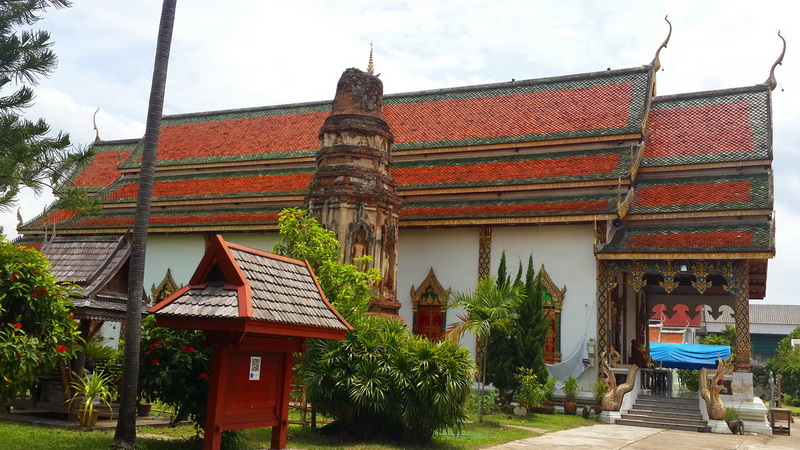
Wat San Pa Yang Luang, another nearby temple, is renowned for its tranquil setting and beautiful wooden structures. It serves as a peaceful retreat where visitors can further engage with the spiritual ambiance of Lamphun’s temple network.
Visitor Tips and Cultural Considerations
When exploring Chamadevi Temple and other sacred sites in Lamphun, visitors should approach with cultural sensitivity and respect. Wearing appropriate attire that covers shoulders and knees is advised to show reverence for the religious environment.
Photography is generally permitted in temple grounds, but it is courteous to ask permission before taking pictures of monks or worshippers. Avoid loud conversations and disruptive behavior to maintain the peaceful atmosphere that these temples embody.
Many visitors arrive as part of Chiang Mai Trip Packages that include Lamphun as a day trip or half-day excursion. Planning your visit during weekday mornings can offer a quieter experience, allowing more meaningful engagement with the sites.
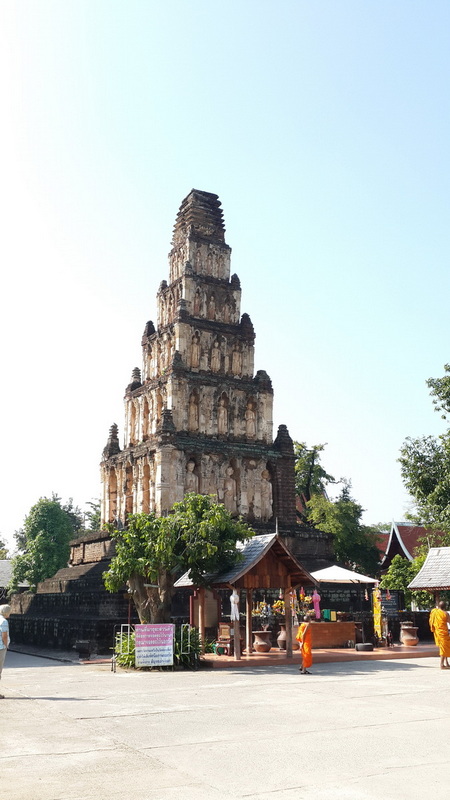
It is also respectful to observe local customs such as removing shoes before entering prayer halls and refraining from touching sacred objects. These simple acts help preserve the sanctity of the temples and honor the traditions upheld by the community.
Sightseeing Highlights in Lamphun
Lamphun’s combination of historical temples, cultural landmarks, and natural beauty creates a compelling itinerary for travelers interested in northern Thailand’s heritage. Chamadevi Temple, with its serene grounds and historical significance, forms a centerpiece of this experience.
Alongside Wat Ku Kut, visitors can appreciate the artistry and spiritual devotion that have shaped Lamphun’s identity over centuries. Nearby attractions like Ku Chang Ku Ma and Wat San Pa Yang Luang provide additional layers of context and interest, making the area ideal for culturally focused sightseeing.
Whether you are a first-time visitor or a returning traveler, Lamphun offers a respectful and enriching environment to explore Buddhist traditions and northern Thai culture. Its attractions are well suited to those seeking calm and contemplative experiences away from busier tourist centers.
Nearby Attractions
Ku Chang Ku Ma
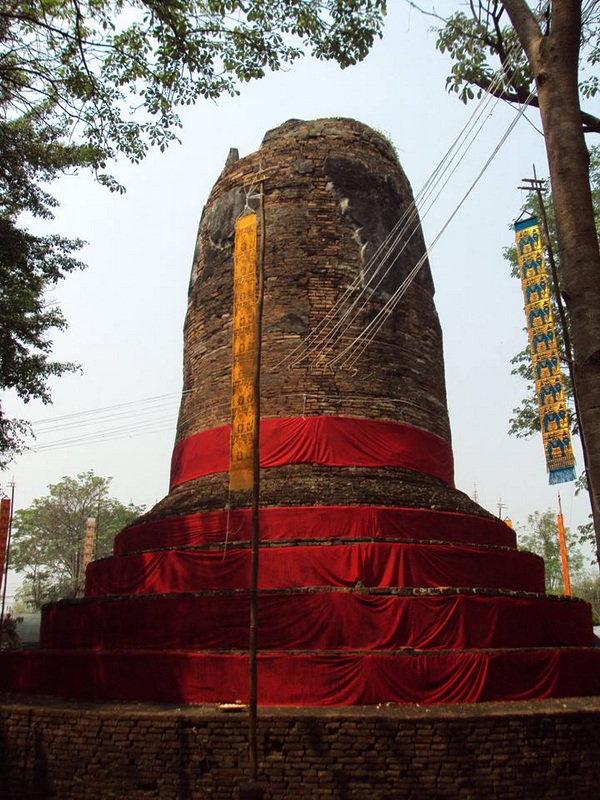
Ku Chang Ku Ma is a notable local attraction near Chamadevi Temple, featuring statues that depict elephants, which hold symbolic importance in Thai culture. The site is often visited for its blend of historical significance and folklore, offering visitors a chance to connect with Lamphun’s community stories.
The quiet surroundings and cultural symbolism make Ku Chang Ku Ma a complementary stop for those exploring the religious and cultural landscape of Lamphun. It provides a different perspective from the temple visits, highlighting local heritage and artistic expression.
Wat San Pa Yang Luang
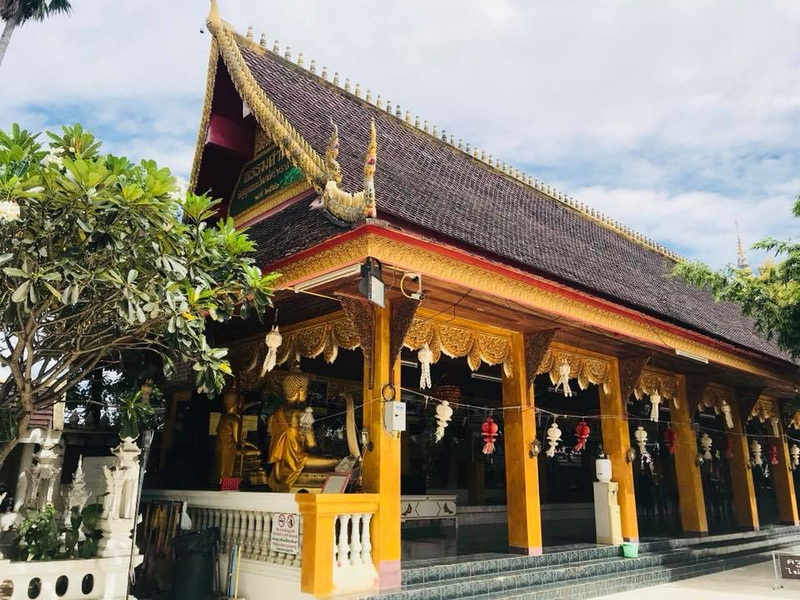
Wat San Pa Yang Luang is a peaceful temple located close to Chamadevi Temple, known for its traditional wooden architecture and serene atmosphere. It serves as a spiritual retreat for both locals and visitors, with its calm setting inviting quiet reflection.
The temple grounds are well maintained and less frequented by large tourist groups, offering an authentic experience of Lamphun’s religious life. Visitors can observe monks in daily routines and appreciate the craftsmanship of northern Thai temple design.
Where the Experience Leads Next
Visiting Chamadevi Temple within the context of Lamphun’s rich array of attractions offers a meaningful glimpse into northern Thailand’s spiritual and cultural identity. The temple and its surroundings invite respectful exploration and provide a peaceful setting for contemplation. Nearby sites like Ku Chang Ku Ma and Wat San Pa Yang Luang further enrich the experience, making Lamphun a rewarding destination for those interested in heritage and quiet sightseeing. By approaching these sacred spaces with awareness and respect, visitors can enjoy a deeper connection to the traditions that continue to thrive in this historic province.



No comments:
Post a Comment