Monday, August 24, 2026

Cultural Dinner and Lanna Show Experiences in Chiang Mai with Khum Khantoke

Cultural Dinner and Lanna Show Experiences in Chiang Mai with Khum Khantoke

Explore authentic Lanna cultural shows and traditional dinners alongside vibrant evening activities near Warorot Market and Wat Jed Yod

Decorative entrance building with pink lighting and intricate details at dusk at Khum Khantoke.

Chiang Mai’s rich cultural heritage comes alive at Khum Khantoke, a renowned venue offering immersive cultural dinner and Lanna show experiences. Visitors seeking to connect deeply with Northern Thailand’s traditions find the Khum Khantoke dinner an exceptional opportunity to enjoy authentic Lanna cuisine paired with captivating performances. This experience is not only about the food but also about the living heritage expressed through dance, music, and ceremonial presentation. As night falls in Muang Chiang Mai, the city’s vibrant evening life complements the cultural feast at Khum Khantoke. Nearby attractions such as Warorot Market and Wat Jed Yod provide fascinating options for nighttime exploration, allowing visitors to blend cultural dining with local night activities. These elements together create a memorable evening that reflects Chiang Mai’s unique blend of history, tradition, and community spirit. This article focuses on the cultural dinner and Lanna show offerings at Khum Khantoke, highlighting their significance within the local context. It also explores nearby evening activities and landmarks, providing a well-rounded view for travelers interested in authentic experiences. Understanding the cultural context and respectful appreciation of these traditions enriches the visit, making it meaningful beyond entertainment.

An Introduction to Khum Khantoke and Its Cultural Dinner

Khum Khantoke is more than just a dining venue; it is a cultural institution preserving the heritage of the Lanna Kingdom in Northern Thailand. The Khantoke dinner itself is a traditional meal served on a low, circular wooden tray called a 'khantoke,' around which guests sit on mats or cushions. This style of dining is deeply rooted in Lanna culture and symbolizes communal harmony and respect. Travelers researching Chiang Mai Cultural Dinner And Show can use these details when planning the trip. Travelers researching Lanna cultural show Chiang Mai can use these details when planning the trip.

The menu typically features a variety of classic Northern Thai dishes, prepared with local ingredients and traditional methods. Each dish reflects the region’s agricultural bounty and culinary artistry, from savory dips and grilled meats to sticky rice and seasonal vegetables. The dinner is designed to be shared, promoting a sense of togetherness and cultural immersion.

Attending a Khum Khantoke dinner offers visitors a chance to engage with the local way of life through food, which is an essential cultural expression. It opens a window to understanding the social customs and values embedded in Lanna hospitality and communal dining practices.

Experiencing the Lanna Cultural Show at Khum Khantoke

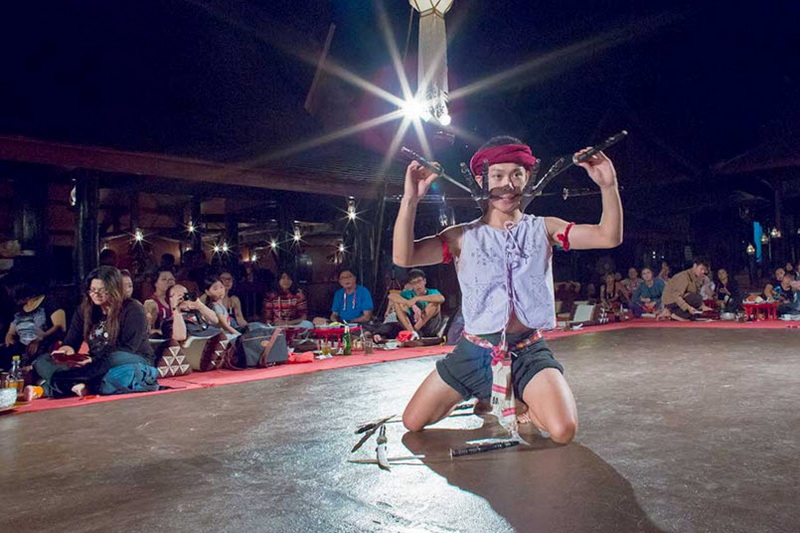
The Khum Khantoke experience is elevated by the traditional Lanna cultural show that accompanies the meal. This performance showcases the rich artistic heritage of Northern Thailand through classical dance, music, and costumes. Performers wear intricately crafted traditional attire, and their movements narrate stories from local folklore, history, and daily rural life.

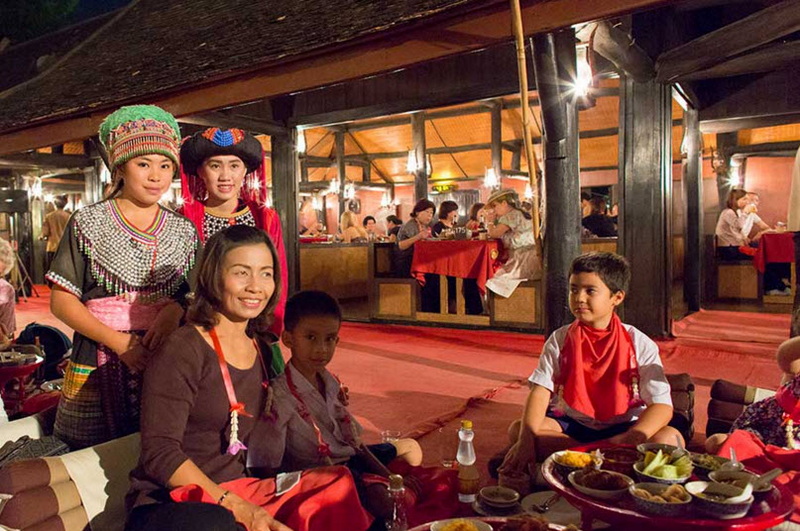
Crowded indoor restaurant with traditional Thai-style architecture and many seated diners at night at Khum Khantoke.

The dances are accompanied by traditional instruments such as the 'saw u' fiddle, 'klong khaek' drums, and 'pi' flutes, creating an evocative soundscape that transports the audience to the heart of Lanna culture. The show often includes interactive moments where guests are invited to observe or participate respectfully, fostering a deeper appreciation of the art form.

These performances are not mere entertainment but living cultural expressions that honor ancestors and maintain continuity with the past. Visitors learn to see the dances as part of a broader cultural identity, emphasizing respect and ethical engagement with local traditions.

Things to Do in Chiang Mai at Night Near Khum Khantoke

After enjoying the Khum Khantoke dinner and show, visitors can explore several notable nearby attractions that enrich the evening experience. Warorot Market, located just a short distance away, is a bustling local hub where vendors sell fresh produce, handicrafts, and street food. The market’s lively atmosphere offers a glimpse into everyday life in Chiang Mai, especially vibrant after dark.

Another nearby site is Wat Jed Yod, a serene temple known for its distinctive seven-spired chedi. While quieter at night, the temple’s grounds provide a peaceful contrast to the market’s energy and a chance to reflect on the spiritual dimensions of Lanna culture. Evening strolls around these landmarks allow visitors to appreciate Chiang Mai’s blend of the sacred and the communal in its urban fabric.

Night view of a small illuminated temple with people sitting nearby at Khum Khantoke.

Together, these locations complement the cultural dinner and show by situating the experience within the broader context of Chiang Mai’s nighttime rhythms. They present visitors with authentic opportunities to engage with local culture beyond the stage and dining table.

Cultural Significance and Respectful Engagement with Lanna Traditions

Understanding the cultural significance of Khum Khantoke dinners and Lanna shows is essential for respectful tourism. These traditions are living practices that carry deep meaning for the local community, reflecting values of hospitality, social harmony, and reverence for heritage.

Visitors are encouraged to approach the experience with curiosity and sensitivity, recognizing that performances and meals are not just spectacles but expressions of identity and memory. Avoiding exoticizing or commodifying the culture helps preserve its dignity and supports ethical tourism practices.

Respectful engagement includes attentive listening, appropriate behavior during performances, and appreciation of the skill and dedication of the artists and hosts. By valuing these traditions authentically, travelers contribute positively to their ongoing vitality and the local community’s well-being.

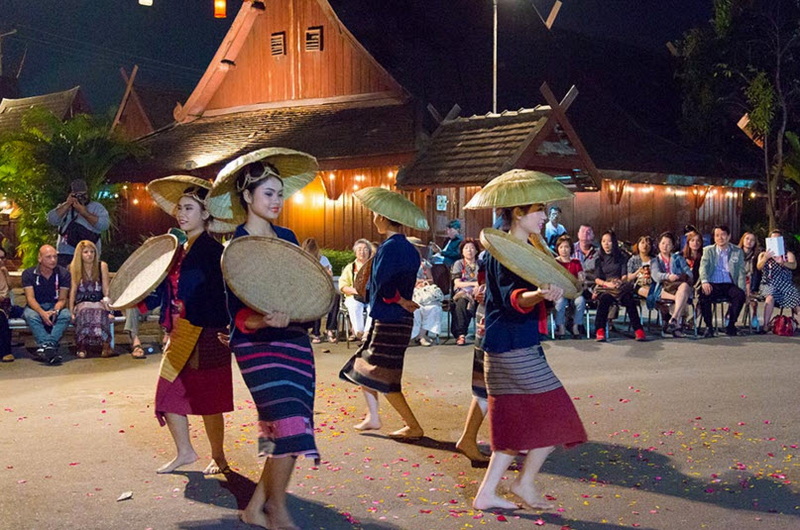
Six women dancing with umbrellas on stage at night during a traditional performance at Khum Khantoke.

Summary of Visitor Experiences at Khum Khantoke

Visitors to Khum Khantoke frequently describe the evening as a highlight of their Chiang Mai trip, combining sensory delight with cultural insight. The fusion of traditional Lanna cuisine and captivating performances creates a memorable atmosphere that appeals to both cultural enthusiasts and casual travelers.

The venue’s proximity to Warorot Market and Wat Jed Yod allows guests to extend their evening with enriching activities that deepen their understanding of the area’s heritage and daily life. Many appreciate the balance between entertainment and education, finding the experience both enjoyable and meaningful.

Ultimately, the Khum Khantoke dinner and Lanna show offer a respectful window into Northern Thailand’s cultural heart, inviting visitors to savor not only the flavors and sights but also the stories and values of the Lanna people.

Nearby Attractions

Warorot Market

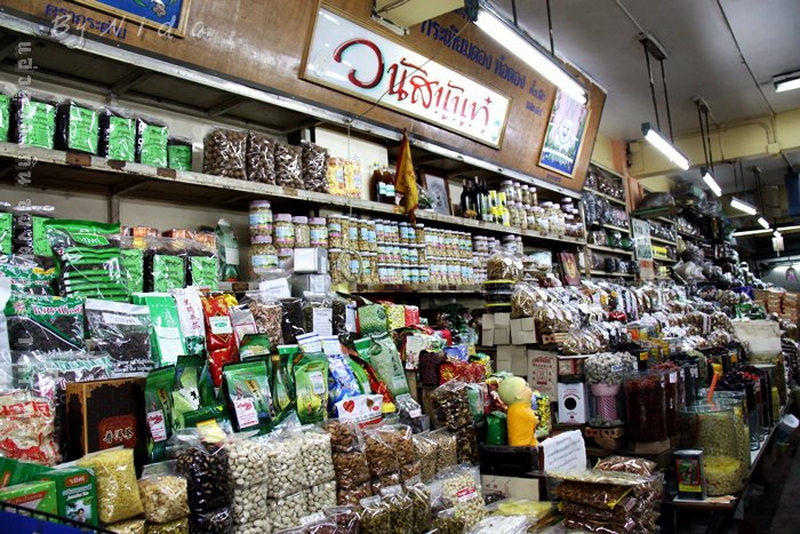
Indoor market with shelves of packaged herbs, spices, and dried goods at Warorot Market.

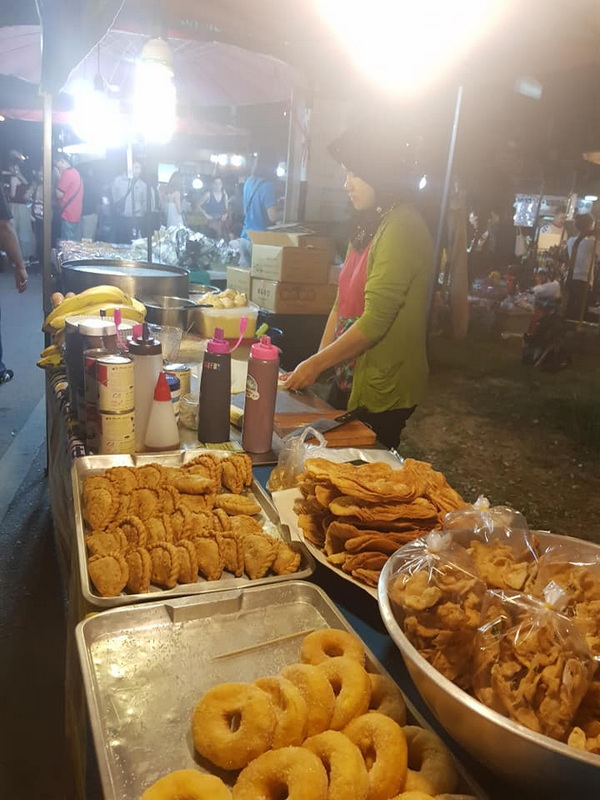
Warorot Market is one of Chiang Mai’s oldest and most vibrant markets, serving as a vital center for commerce and social interaction. At night, the market transforms into a lively space filled with colorful stalls offering local foods, textiles, and handicrafts. Visitors can wander through the bustling aisles to sample street snacks or shop for souvenirs while observing local life in full swing.

The market’s atmosphere is a fascinating blend of traditional and contemporary, where ancient trade practices meet modern tourism. It provides a sensory-rich experience that complements the cultural immersion found at Khum Khantoke, allowing travelers to engage with authentic local culture beyond staged performances.

Wat Jed Yod

Ancient brick stupa with pointed spire against cloudy sky and trees at Wat Jed Yod.

Wat Jed Yod is a historic Buddhist temple located near the city center, notable for its distinctive architecture featuring seven spires. This temple is revered for its serene ambiance and spiritual significance within the Lanna tradition. Though generally quieter in the evening, Wat Jed Yod offers a tranquil retreat for visitors seeking reflection after an evening of cultural activity.

The temple grounds embody the spiritual dimension of Chiang Mai’s heritage, providing insight into religious practices and architectural artistry. Visiting Wat Jed Yod after experiencing the Khum Khantoke show offers a balanced perspective on the interplay between sacred traditions and cultural celebrations in the region.

Where the Experience Leads Next

Khum Khantoke presents a unique opportunity to engage with Chiang Mai’s living Lanna culture through its traditional dinner and captivating performances. Coupled with nearby nighttime attractions like Warorot Market and Wat Jed Yod, visitors can craft an enriching evening that blends culinary delight, artistic expression, and local exploration. Approaching these experiences with respect and curiosity not only enhances personal enjoyment but also supports the preservation and appreciation of Northern Thailand’s vibrant cultural heritage. For travelers seeking meaningful things to do in Chiang Mai at night, Khum Khantoke and its surroundings offer a memorable gateway into the heart of the city’s traditions.

Sunday, August 23, 2026

Sightseeing and Customizable Tours Featuring Wat Chiang Man

Sightseeing and Customizable Tours Featuring Wat Chiang Man

Explore the best temples in Chiang Mai with flexible city tours and personalized tour packages

Golden pagoda with detailed carvings and pointed spire under a blue sky at Wat Chiang Man.

Wat Chiang Man is recognized as one of the best temples to see in Chiang Mai, offering visitors a unique glimpse into the region’s rich cultural and religious heritage. As the oldest temple in the city, it holds historical significance and features beautiful Lanna architecture that attracts both casual travelers and dedicated temple visitors. Its location in Muang Chiang Mai makes it an ideal starting point for exploring other prominent temples nearby. For travelers interested in maximizing their experience, Chiang Mai city tours provide a well-rounded way to visit multiple temples and attractions efficiently. These tours often include Wat Chiang Man along with other notable sites, allowing visitors to enjoy a curated sightseeing experience. Beyond standard tours, custom Chiang Mai tour packages offer flexibility, enabling visitors to tailor their itineraries based on personal preferences, time constraints, and interests. This article will highlight why Wat Chiang Man stands out among the best temples to see in Chiang Mai, explore various city tour options available, and explain how customizable tours can enhance your visit. Whether you prefer a structured itinerary or a more adaptable approach, understanding these options will help you plan a meaningful and enjoyable trip focused on temple sightseeing in Chiang Mai.

Why Wat Chiang Man Is Among the Best Temples To See In Chiang Mai

Wat Chiang Man is the oldest temple in Chiang Mai, dating back to the founding of the city in the late 13th century. Its historical importance is matched by its architectural beauty, featuring classic Lanna-style structures such as the chedi (stupa) and viharn (assembly hall). The temple houses revered Buddha images, including the Crystal Buddha and the Marble Buddha, which are central to local religious practices.

Visitors to Wat Chiang Man will notice the tranquil atmosphere surrounded by ancient trees and traditional temple buildings. Unlike some larger temples, it offers a more intimate and contemplative experience, making it a favorite for those who appreciate cultural depth without the crowds. The temple grounds also display intricate carvings and stone sculptures that reflect the artistry of the Lanna period.

Its location in Muang Chiang Mai places Wat Chiang Man conveniently close to other significant temples, allowing travelers to plan efficient walking or short driving tours. This accessibility enhances its appeal as a must-visit site for anyone interested in exploring Chiang Mai’s spiritual and cultural heritage.

Exploring Chiang Mai Through Structured City Tours

Chiang Mai city tours are designed to provide visitors with a comprehensive overview of the city’s key attractions, including its most famous temples. These tours often include visits to Wat Chiang Man, Wat Phra Singh, Wat Chedi Luang, and other landmarks, allowing travelers to experience the cultural richness of the city in a single day or over half a day.

Inside a temple with golden Buddha statues and red decorative pillars at Wat Chiang Man.

Many city tours are guided, offering historical context, architectural insights, and cultural explanations that enhance the sightseeing experience. For travelers new to Chiang Mai, this format can be especially valuable, as it removes the need for extensive planning and navigation while ensuring that important sites are not missed.

Besides group tours, there are semi-private or small group city tours that balance personalized attention with social interaction. These formats often include comfortable transportation and flexible stops, making them a practical choice for those who want to explore efficiently but with some degree of customization.

City tours frequently include visits to local markets or artisan workshops in addition to temples, providing a broader sense of Chiang Mai’s cultural fabric. For visitors focused on temple sightseeing, these tours offer a structured yet enriching option to appreciate the city’s spiritual landmarks.

Benefits of Custom Chiang Mai Tour Packages for Flexible Sightseeing

Custom Chiang Mai tour packages cater to travelers who prefer a more flexible and personalized approach to exploring the city’s temples and attractions. Unlike fixed itineraries, custom tours allow visitors to select which temples to visit, how much time to spend at each location, and the pace of the tour.

This flexibility is ideal for independent travelers or those with specific interests, such as focusing on particular styles of temple architecture or avoiding crowded times. Custom tours can also accommodate special requests, such as incorporating nearby attractions or cultural experiences beyond temple visits.

Golden pagoda with surrounding trees and traditional temple buildings under a blue sky at Wat Chiang Man.

By working with local guides or tour planners, visitors can create a tailored itinerary that fits their schedule, budget, and preferences. This approach often results in a more relaxed and meaningful experience, as it removes the pressure of adhering to strict group schedules.

Additionally, custom packages can combine temple sightseeing with other activities like traditional Thai crafts, cooking classes, or visits to local villages. This integration enriches the overall travel experience and provides a deeper understanding of Chiang Mai’s cultural landscape.

For those prioritizing Wat Chiang Man, custom tours can ensure ample time to explore this temple thoroughly while also including nearby sites such as Wat Phan Tao and Wat Lok Moli, which complement the temple-hopping experience in Muang Chiang Mai.

Practical Tips for Planning Your Temple Sightseeing in Chiang Mai

When planning visits to the best temples to see in Chiang Mai, including Wat Chiang Man, consider starting early in the day to avoid the midday heat and larger crowds. Morning hours often provide a more serene atmosphere, ideal for appreciating the spiritual and architectural details of the temples.

Dress respectfully when visiting temples: modest clothing that covers shoulders and knees is expected. This consideration helps maintain the sacred ambiance and shows respect for local customs.

Traditional Thai temples with golden stupa and lush garden scenery at Wat Chiang Man.

If choosing a city tour, review the itinerary carefully to ensure it includes your preferred temples and interests. Some tours may emphasize certain temples over others, so finding one that aligns with your goals is important.

For custom Chiang Mai tour packages, communicate your interests clearly with the tour provider. Specify your focus on temples like Wat Chiang Man and nearby attractions, and ask about options for adjusting timing and route according to your preferences.

Transportation within Muang Chiang Mai is generally convenient, with tuk-tuks, songthaews (shared taxis), and private car services readily available. Custom tours often include these transport options, which can save time and energy during temple visits.

Lastly, consider combining temple visits with cultural activities or local cuisine stops to enrich your sightseeing day. Chiang Mai’s temples are not just religious sites but are embedded within a vibrant community that offers diverse experiences for travelers.

Nearby Attractions

Wat Phan Tao

Golden pagoda illuminated at night with traditional temple roofs nearby at Wat Phan Tao.

Wat Phan Tao is a charming temple located just a short walk from Wat Chiang Man. Known for its distinctive teakwood construction, it stands out among Chiang Mai temples for its simple yet elegant design. The temple’s wooden ubosot (ordination hall) is one of the few remaining structures of this kind in the city, offering visitors a glimpse into traditional Lanna craftsmanship.

Despite its smaller size, Wat Phan Tao maintains a peaceful atmosphere and is often less crowded than some of the larger temples nearby. It provides a complementary experience to Wat Chiang Man, especially for those interested in architectural variety and quieter temple visits.

Wat Lok Moli

Tall, decorative temple gate with carvings and dragon sculpture among trees at Wat Lok Moli.

Wat Lok Moli is another nearby temple worth including in your sightseeing itinerary. Located within walking distance of Wat Chiang Man, it features a striking Lanna-style chedi that is one of the tallest in Chiang Mai. The temple is known for its historical significance and beautifully preserved structures that reflect the region’s religious art traditions.

Visitors to Wat Lok Moli can appreciate the serene temple grounds and the surrounding gardens, which provide a calm retreat in the heart of the city. Its proximity to Wat Chiang Man makes it an excellent addition to any temple-focused tour, enhancing the cultural and spiritual exploration of Muang Chiang Mai.

Where the Experience Leads Next

Wat Chiang Man remains a cornerstone of Chiang Mai’s rich spiritual heritage and is undoubtedly one of the best temples to see in Chiang Mai. Whether you choose a structured city tour or opt for a custom Chiang Mai tour package, the flexibility to tailor your sightseeing journey can greatly enhance your travel experience. Exploring Wat Chiang Man alongside nearby temples like Wat Phan Tao and Wat Lok Moli offers a balanced perspective on the city’s religious and architectural diversity. Thoughtful planning and an appreciation for the cultural significance of these sites will ensure your visit is both meaningful and memorable.

Exploring Hmong Doi Pui Village with Best Hill Tribe Tours Chiang Mai

Exploring Hmong Doi Pui Village with Best Hill Tribe Tours Chiang Mai

Discover combined and day tours to Hmong Doi Pui Village with Doi Suthep and nearby cultural sites in Muang Chiang Mai

Hillside village with traditional houses and vibrant flowers among green hills at Hmong Doi Pui Village.

Northern Thailand’s rich cultural landscape offers travelers a unique opportunity to experience the authentic life of its indigenous hill tribe communities. Among these, the Hmong Doi Pui Village stands out as a vibrant example of Hmong culture, nestled within the scenic highlands of Muang Chiang Mai. Visitors seeking meaningful cultural encounters will find a variety of tour options tailored to different interests and schedules, including day tours focused on Doi Suthep and combined tours that include both Doi Suthep and Doi Pui. These tours provide a balanced itinerary that blends natural beauty, spiritual heritage, and cultural immersion. For travelers prioritizing ethical tourism and respectful engagement, the Best Hill Tribe Tours Chiang Mai offer thoughtfully curated experiences that highlight the dignity and traditions of the Hmong community. The village itself is accessible via well-organized tours that often begin with a visit to the revered Wat Phra That Doi Suthep temple, enhancing the spiritual dimension of the journey. Additionally, nearby sites like Khun Chang Kian Village complement the cultural exploration with further insight into local rural life and natural surroundings. This article presents an overview of the available tour options, focusing on the practical planning aspects while emphasizing cultural respect and the importance of ethical visitor behavior. Whether you choose a Doi Suthep day tour or a combined Doi Suthep and Doi Pui tour, this guide aims to help you navigate your visit with confidence, curiosity, and respect.

Overview of Hill Tribe Tours in Chiang Mai

Chiang Mai is renowned for its diverse hill tribe communities, each with distinct cultural traditions and histories. Among the most accessible and well-preserved is the Hmong Doi Pui Village, located on the slopes of Doi Pui mountain. Tours to this village provide travelers with an authentic glimpse into Hmong customs, handicrafts, and daily life, set against a backdrop of lush mountain scenery.

The Best Hill Tribe Tours Chiang Mai specialize in offering respectful and educational experiences. These tours often include visits to multiple villages or combined stops with significant landmarks, allowing visitors to appreciate both cultural and natural highlights. Ethical tourism principles are emphasized, encouraging travelers to engage with local communities in ways that support their livelihoods and preserve their heritage.

Visitors can select from a range of tour durations and styles, from half-day excursions to full-day adventures. Many itineraries incorporate local guides who share insights about Hmong history, traditional dress, agricultural practices, and community challenges, fostering a deeper understanding beyond surface-level sightseeing.

Experiencing the Doi Suthep Day Tour

One of the most popular options for visitors to Chiang Mai is the Doi Suthep day tour, which centers on the iconic Wat Phra That Doi Suthep temple perched on a mountain overlooking the city. This spiritual site is not only a religious landmark but also a cultural symbol deeply intertwined with northern Thai identity.

Crowded market scene with shops, people, and motorcycles, hill background at Hmong Doi Pui Village.

The tour usually begins with a scenic drive up the winding road to the temple, followed by a climb or tram ride to the temple grounds. Here, travelers can admire intricate Lanna architecture, golden stupas, and panoramic views of Chiang Mai. The temple grounds also provide an opportunity to observe local monks and participate respectfully in temple rituals if desired.

While the Doi Suthep day tour itself is often a standalone experience, many travelers choose to extend their visit by including nearby cultural stops such as the Hmong Doi Pui Village. This combination enriches the day with a blend of spiritual reflection and cultural immersion.

Combining Doi Suthep and Doi Pui Tours for a Fuller Experience

For those seeking a more comprehensive itinerary, the Doi Suthep and Doi Pui tour offers a seamless combination of spiritual and cultural exploration. This combined tour typically starts at Wat Phra That Doi Suthep, allowing visitors to appreciate its religious significance and scenic beauty before continuing to Hmong Doi Pui Village.

At Doi Pui, travelers have the chance to engage with the local Hmong community, learning about their traditional weaving techniques, hill farming, and unique customs. The village is known for its well-preserved cultural practices and welcoming atmosphere, making it an ideal setting for ethical cultural encounters.

Interior of a rustic workshop with old tools and animal skulls on wooden walls at Hmong Doi Pui Village.

This combined tour is particularly suited for travelers who want to maximize their time while experiencing the diversity of northern Thailand’s heritage. It also promotes a respectful approach by encouraging visitors to support local economies through direct purchases of handicrafts and participation in community-led activities.

Practicing Respectful and Ethical Tourism in Hill Tribe Villages

Visiting hill tribe villages like Hmong Doi Pui requires a mindful approach that honors the dignity and privacy of local residents. Ethical tourism encourages travelers to avoid treating the community as a spectacle and instead engage with genuine curiosity and respect.

Guides on Best Hill Tribe Tours Chiang Mai are trained to facilitate interactions that are consensual and beneficial to the community. Visitors are advised to ask permission before photographing individuals, refrain from disruptive behavior, and avoid purchasing products that exploit cultural symbols without fair compensation.

Supporting community initiatives and sustainable tourism practices helps ensure that these villages can maintain their cultural heritage while improving living standards. Responsible travelers contribute to a positive exchange, fostering mutual understanding and preserving the rich traditions of the Hmong people for future generations.

Woman arranging colorful slippers on a pink table inside a wooden shop with hanging fabrics at Hmong Doi Pui Village.

Practical Tips for Planning Your Visit to Hmong Doi Pui Village

When planning a visit to Hmong Doi Pui Village, consider the timing and type of tour that best fits your interests and schedule. Morning tours are popular to avoid the afternoon heat and to coincide with temple opening hours at Doi Suthep.

Combining the village visit with a Doi Suthep day tour or a Doi Suthep and Doi Pui tour offers logistical convenience and a richer experience. Many tour operators provide transportation from Chiang Mai city, making access straightforward even for first-time visitors.

Wear comfortable clothing suitable for walking and variable mountain weather, and bring water and sun protection. Engaging with local guides enhances the experience by providing context and facilitating respectful interactions.

Lastly, plan to allocate time for nearby attractions such as Khun Chang Kian Village, which offers additional cultural and natural experiences, making your trip more diverse and rewarding.

Nearby Attractions

Wat Phra That Doi Suthep

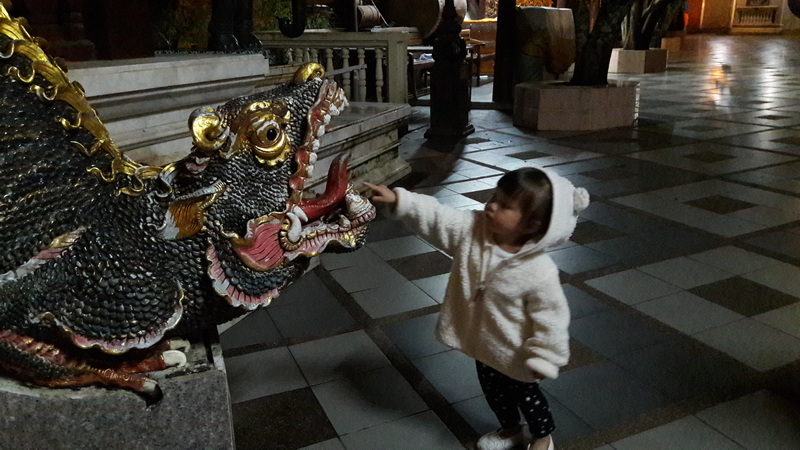
Young girl touching a colorful dragon head sculpture indoors at Wat Phra That Doi Suthep.

Wat Phra That Doi Suthep is one of Chiang Mai’s most revered temples, located on a mountain overlooking the city. It is a significant spiritual site for both locals and visitors, featuring stunning Lanna-style architecture and a golden chedi that enshrines sacred Buddhist relics.

The temple complex includes beautifully decorated halls, intricate sculptures, and serene meditation spaces. Visitors often climb the Naga staircase to reach the temple, which adds a symbolic journey element to the experience.

Wat Phra That Doi Suthep is not only a place of worship but also a cultural landmark that connects visitors to the spiritual traditions of northern Thailand. It pairs naturally with tours to nearby hill tribe villages, offering a holistic understanding of the region’s heritage.

Khun Chang Kian Village

Small wooden hut with a sloped roof amidst lush green plants and trees at Khun Chang Kian Village.

Khun Chang Kian Village lies close to the Doi Pui area and provides a peaceful rural setting that complements the hill tribe visit. Known for its agricultural practices and local markets, the village offers insight into northern Thailand’s countryside lifestyle.

Visitors can explore terraced fields, flower gardens, and small farms, gaining appreciation for traditional farming techniques and seasonal crops. The village also hosts occasional cultural events and festivals that showcase local crafts and cuisine.

Including Khun Chang Kian in your itinerary adds depth to your regional exploration, highlighting the interconnectedness of indigenous cultures and rural livelihoods in Muang Chiang Mai.

Where the Experience Leads Next

Choosing a tour to Hmong Doi Pui Village, whether as a standalone visit or combined with Doi Suthep, allows travelers to immerse themselves thoughtfully in northern Thailand’s rich cultural tapestry. By selecting the Best Hill Tribe Tours Chiang Mai, visitors support ethical tourism practices that respect the dignity and traditions of the Hmong community. Including nearby attractions such as Wat Phra That Doi Suthep and Khun Chang Kian Village further enriches the journey, offering a diverse and balanced experience. With careful planning and a respectful attitude, your visit can be both enlightening and rewarding, fostering genuine connections and lasting memories.

Exploring Doi Suthep-Pui National Park with Day Tours and Trekking Companies

Exploring Doi Suthep-Pui National Park with Day Tours and Trekking Companies

Discover top northern Thailand parks through immersive day tours and expert trekking options in Chiang Mai

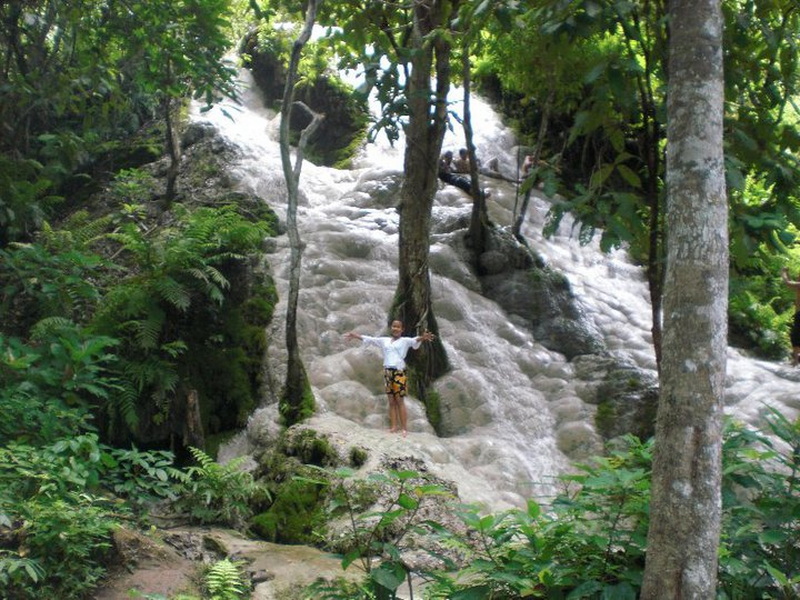
Waterfall flowing down rocks with trees and people nearby in a forest setting at Doi Suthep-Pui National Park.

Northern Thailand is renowned for its lush landscapes and vibrant cultural heritage, with national parks that offer a wealth of natural beauty and adventure. Among these, Doi Suthep-Pui National Park stands out not only for its scenic views and diverse ecosystems but also for the variety of day tours and trekking experiences available. Visitors to this park can easily connect with the region’s natural wonders and local cultures through thoughtfully organized excursions. This article provides an insightful look into some of the top national parks in the north of Thailand, focusing particularly on Doi Suthep-Pui National Park. It highlights the popular Doi Suthep day tour and explores the best trekking companies based in Chiang Mai, known for their quality and ethical practices. Whether you are a seasoned trekker or a traveler seeking a well-curated day experience, understanding the options here will help you plan a rewarding visit. By focusing on trekking quality, tour formats, and regional significance, we aim to equip travelers with practical knowledge to confidently navigate the choices available. This guide respects the local hill tribe cultures and encourages responsible tourism, ensuring that your adventure supports both nature conservation and cultural dignity.

Overview of Top National Parks In The North Of Thailand

Northern Thailand is home to some of the country’s most celebrated national parks, each offering unique landscapes, biodiversity, and cultural experiences. These parks serve as vital green lungs and are treasured for their mountain ranges, waterfalls, and rich wildlife. Among the most visited are Doi Inthanon, Doi Khun Tan, and Doi Suthep-Pui National Park, the latter being a favorite for visitors staying in Chiang Mai due to its accessibility and variety of activities. Travelers researching Best Trekking In Chiang Mai can use these details when planning the trip.

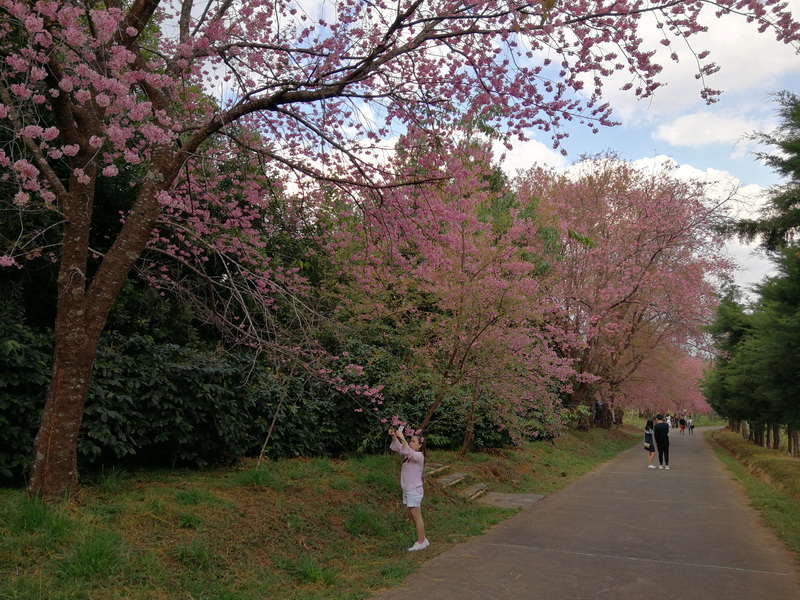
Tents among blooming pink cherry blossom trees on a grassy campsite at National Parks in the North of Thailand.

The region’s parks are not only natural havens but also cultural landscapes where various hill tribe communities live. Many trekking routes incorporate visits to these villages, providing travelers with respectful insights into traditional ways of life. When exploring these parks, it is important to approach local cultures with sensitivity and avoid any actions that could exploit or exoticize the communities.

Doi Suthep-Pui National Park, in particular, combines mountainous terrain with historical and spiritual significance, making it a multifaceted destination. Its proximity to Chiang Mai city allows for flexible day tours and trekking adventures that suit a wide range of interests and fitness levels.

Experiencing the Doi Suthep Day Tour

A Doi Suthep day tour is one of the most popular ways to experience the park without the need for overnight trekking. These tours typically include a visit to the revered Wat Phra That Doi Suthep, a Buddhist temple perched on the mountain offering panoramic views of Chiang Mai and the surrounding valleys. The temple’s cultural and religious importance makes it a highlight that blends spiritual reflection with natural beauty.

Beyond the temple, day tours often explore nearby waterfalls, nature trails, and viewpoints within the park. Visitors can enjoy a moderate walk through forested areas, spotting native flora and fauna while learning about the park’s ecology. These tours are usually guided by knowledgeable locals who provide context about the park’s history and conservation efforts.

The Doi Suthep day tour is well-suited for travelers seeking a comprehensive yet manageable outdoor experience. It offers a glimpse into the region’s biodiversity and cultural heritage without the physical demands of a full trekking itinerary, making it accessible for families and casual hikers.

Small black snail on moist soil with green moss and fallen leaves at Doi Suthep-Pui National Park.

Choosing the Best Trekking In Chiang Mai

Chiang Mai is widely regarded as the gateway for trekking in northern Thailand, hosting numerous companies that cater to different levels of trekking experience and interests. The best trekking companies in Chiang Mai prioritize safety, environmental responsibility, and respectful engagement with local communities, ensuring an authentic and ethical trekking experience.

When selecting a trekking company, consider those that offer well-planned routes through Doi Suthep-Pui National Park and other northern parks. Many provide options ranging from beginner-friendly day treks to multi-day adventures that include hill tribe village visits, waterfall stops, and jungle exploration. Experienced guides often share insights about local flora, fauna, and culture, enriching the trek beyond just physical activity.

Quality trekking providers also emphasize environmental stewardship, encouraging trekkers to minimize their impact and support conservation initiatives. They avoid overcrowded trails and promote small group sizes to preserve the natural and cultural integrity of the areas visited. This approach helps maintain the park’s pristine condition and fosters positive relationships with hill tribe communities.

Comparing Trekking Options Across Northern Thailand Parks

Trekking opportunities in northern Thailand vary widely depending on the park’s terrain, cultural context, and infrastructure. Doi Suthep-Pui National Park offers accessible trails with rich cultural landmarks, ideal for day tours and shorter treks. In contrast, parks like Doi Inthanon feature longer, more challenging routes through higher elevations and denser forests, attracting avid hikers seeking wilderness immersion.

Many trekking companies in Chiang Mai provide tailored itineraries that incorporate multiple parks, allowing travelers to experience a range of environments and cultural settings. When comparing options, it is important to assess the difficulty level, group size, and cultural components included in each trek. Some treks focus more on nature and wildlife, while others emphasize interactions with hill tribe communities and local customs.

Dense forest with a small pathway and metal railing surrounded by tall trees at Doi Suthep-Pui National Park.

Ultimately, the choice depends on your interests and physical readiness. Doi Suthep-Pui National Park is often recommended for those new to trekking or with limited time, thanks to its combination of natural beauty and cultural sites. For seasoned trekkers, northern Thailand offers more remote and challenging routes that require multi-day commitments but reward with deeper wilderness experiences.

Insights Into Trekking Quality and Provider Options

Trekking quality in northern Thailand is influenced by guide expertise, route selection, group management, and ethical practices. Trusted trekking companies employ guides who are not only skilled in navigation and safety but also knowledgeable about local ecology and cultural heritage. This dual expertise enhances the trekking experience, providing educational value alongside adventure.

Providers that emphasize ethical tourism ensure that visits to hill tribe villages are conducted with respect and consent, avoiding any form of spectacle or commodification. They also contribute to local economies by sourcing supplies and services locally, supporting sustainable livelihoods.

Environmental considerations are increasingly prioritized, with companies adopting eco-friendly practices such as waste reduction, trail conservation, and educating trekkers about minimizing their footprint. This commitment helps preserve northern Thailand’s natural treasures for future visitors.

Choosing a reputable trekking company often involves reading reviews, seeking recommendations, and verifying certifications or affiliations with recognized tourism bodies. The best providers balance adventure with responsibility, making trekking in northern Thailand a meaningful and safe experience.

Where the Experience Leads Next

Doi Suthep-Pui National Park stands as a remarkable example of northern Thailand’s diverse natural and cultural heritage, offering a range of day tours and trekking options to suit various traveler preferences. Whether you opt for the accessible Doi Suthep day tour or a more immersive trekking experience with one of Chiang Mai’s best trekking companies, you can expect a journey that balances adventure with respect for local communities and the environment. By understanding the different park offerings and trekking qualities, you can plan a trip that is both rewarding and responsible, ensuring a memorable connection to this beautiful region.

Wednesday, August 19, 2026

Huai Nam Dang National Park with Top Northern Thailand Parks and Mae Hong Son Day Trip Focus

Huai Nam Dang National Park with Top Northern Thailand Parks and Mae Hong Son Day Trip Focus

Explore top northern Thailand parks, hiking trails in Chiang Mai, and practical day trip planning from Chiang Mai to Mae Hong Son

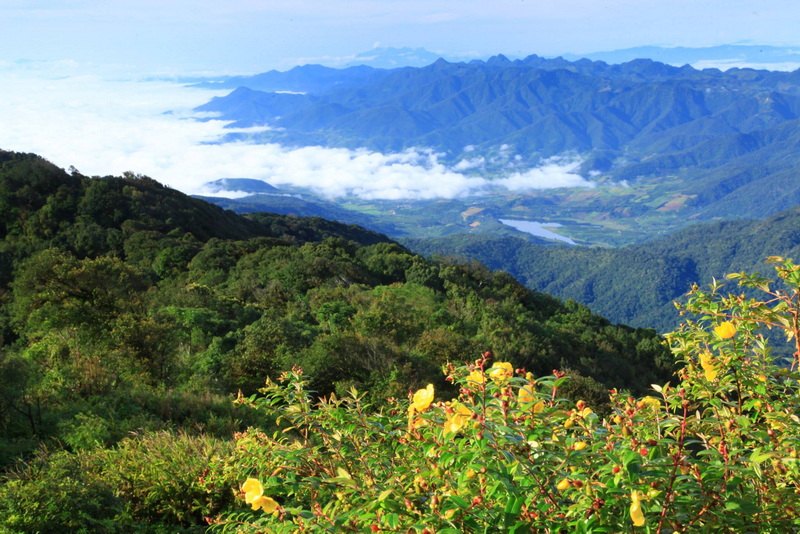
Green grassy hill with rocks and flowers overlooking clouds and mountains at sunrise at Huai Nam Dang National Park.

Northern Thailand is renowned for its breathtaking natural landscapes, and Huai Nam Dang National Park stands out as one of the top national parks in the region. Nestled in Pai District Mae Hong Son, this park offers a blend of cool mountain air, lush forests, and panoramic views that attract both casual day trippers and avid hikers alike. For travelers looking to combine their love of nature with practical day trip planning, Huai Nam Dang provides a compelling destination that complements other northern Thailand parks. Hiking in Chiang Mai is a popular activity that showcases the region’s diverse terrain, from gentle trails to more challenging treks through dense jungles and hill tribe villages. These trails offer a unique way to experience the rich biodiversity and cultural fabric of northern Thailand. Moreover, many travelers are interested in exploring Mae Hong Son on a day trip from Chiang Mai, which requires thoughtful planning to balance travel time and sightseeing opportunities. This article focuses on highlighting Huai Nam Dang National Park within the context of top northern Thailand parks, detailing hiking options around Chiang Mai, and providing practical insights for organizing a successful Mae Hong Son day trip. Whether you are a nature explorer, trekking enthusiast, or a day trip traveler, this guide aims to build your confidence in planning and enjoying these remarkable northern destinations.

Top National Parks In The North Of Thailand

Northern Thailand is home to a rich variety of national parks, each offering distinct natural features and outdoor experiences. Huai Nam Dang National Park ranks among these top parks, known for its mountainous landscapes, cool climate, and scenic viewpoints. Located in Pai District Mae Hong Son, it is accessible from Chiang Mai and serves as a refreshing escape from city life. Travelers researching Top National Parks In The North Of Thailand can use these details when planning the trip.

Camping area with tents under blooming pink trees and greenery at National Parks in the North of Thailand.

The park features dense evergreen forests, rolling hills, and mist-covered valleys that create a serene environment for visitors. It is especially popular during the cooler months when the weather is crisp and the morning fog adds a mystical quality to the scenery. Aside from Huai Nam Dang, other notable parks in the north include Doi Inthanon, Doi Suthep-Pui, and Ob Luang, each offering unique ecosystems and trekking paths.

Visitors to northern Thailand’s parks often seek a blend of natural beauty and outdoor adventure, making these parks ideal for hiking, wildlife observation, and photography. Responsible travel and conservation are essential themes across these protected areas to ensure the delicate biodiversity is preserved for future generations.

Hiking in Chiang Mai: Trails for Every Level

Chiang Mai is a hub for trekking enthusiasts, with trails that range from beginner-friendly walks to demanding multi-day jungle treks. Hiking in Chiang Mai offers visitors a chance to immerse themselves in nature while exploring the cultural richness of northern Thailand’s hill tribe communities and traditional villages.

Some popular day hikes near Chiang Mai include the trails to Doi Suthep, which combines cultural landmarks with forest paths, and the routes around Mae Sa Valley known for their waterfalls and botanical gardens. For those seeking more challenging terrain, longer treks into the surrounding hills and forests provide rewarding views and encounters with diverse flora and fauna.

The hiking culture in Chiang Mai emphasizes eco-friendly practices, encouraging visitors to minimize their environmental impact and respect local customs. Guided tours are available for those who prefer expert insights and safer navigation through remote areas, while independent hikers can also enjoy well-marked paths suitable for day trips.

Planning a Mae Hong Son Day Trip From Chiang Mai

Mae Hong Son is a mountainous province northwest of Chiang Mai, known for its picturesque landscapes and tranquil atmosphere. Although the distance presents some logistical challenges, planning a Mae Hong Son day trip from Chiang Mai is possible for travelers who prioritize early starts and efficient travel arrangements.

Grassy hill with small trees and distant mountains above clouds at Mae Hong Son.

Day trip planning involves considering travel time, which can take several hours each way depending on the route and mode of transport. Many travelers opt for private drivers or small group tours to maximize comfort and flexibility. Despite the travel demands, a day trip to Mae Hong Son offers the chance to visit natural attractions, local markets, and cultural sites that highlight the region’s unique character.

When organizing such a trip, it is important to focus on key highlights to avoid rushing. Combining visits to Huai Nam Dang National Park with selected Mae Hong Son sights can create a balanced itinerary that showcases the best of northern Thailand’s natural and cultural offerings within a single day.

Features and Attractions of Huai Nam Dang National Park

Huai Nam Dang National Park is celebrated for its cool climate and panoramic mountain views that stretch across the Pai valley and distant ranges. The park’s high elevation contributes to frequent morning mists and a refreshing environment, making it a favorite spot for sunrise watchers and photographers.

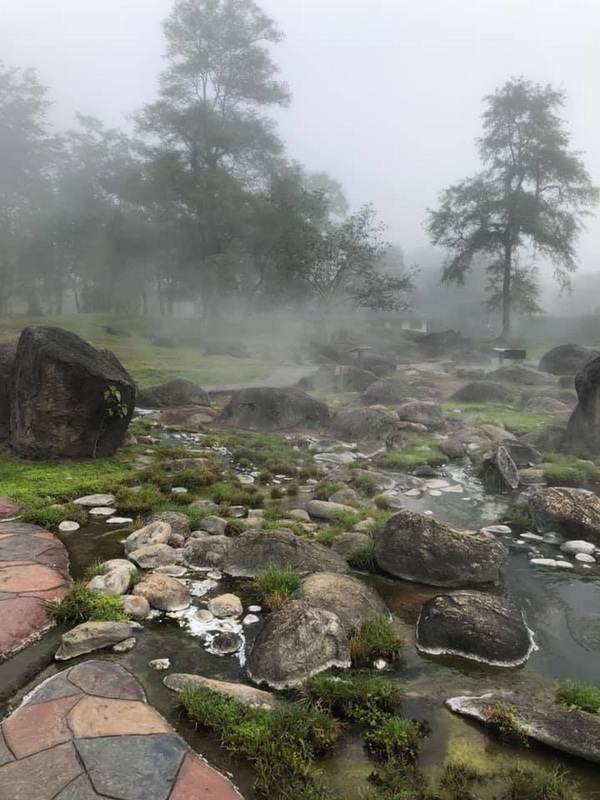
Hot spring with steam rising among rocks in lush forest setting at Huai Nam Dang National Park.

Within the park, visitors can explore several hiking trails that vary in length and difficulty. These paths wind through pine and evergreen forests, past hot springs, and along ridges that offer sweeping vistas. The park is also home to diverse wildlife, including bird species and small mammals, which enrich the natural experience.

Aside from hiking, the park provides facilities such as camping areas and viewpoints designed to enhance visitor comfort while maintaining minimal ecological disturbance. The combination of natural beauty, accessible trails, and peaceful atmosphere makes Huai Nam Dang a standout destination among northern Thailand’s national parks.

Combining Hiking and Day Trips for an Enriching Experience

Travelers seeking to make the most of their northern Thailand visit often combine hiking excursions with day trips to nearby attractions. For example, a morning hike in the Huai Nam Dang National Park followed by an afternoon excursion toward Mae Hong Son can offer a well-rounded glimpse of the region’s landscapes and culture.

This approach requires careful timing and realistic expectations regarding travel distances and trail durations. Prioritizing key destinations and choosing trails that match your fitness and interest levels will help maintain an enjoyable pace. Additionally, starting early and preparing adequately for changing weather conditions are essential for a smooth experience.

Such combined trips appeal to day trip travelers and hikers alike, providing the chance to engage actively with nature while also exploring cultural and scenic highlights. The variety and accessibility of northern Thailand’s parks and trails support flexible itineraries tailored to individual preferences.

Travel Logistics and Responsible Exploration

Planning travel logistics is a crucial part of any day trip or hiking adventure in northern Thailand. From Chiang Mai, roads to Pai and Mae Hong Son wind through mountainous terrain, requiring attention to travel times and safety. Choosing reliable transportation and allowing for rest stops can enhance comfort and reduce stress during longer journeys.

Responsible exploration also means respecting the natural environment and local communities. Visitors should follow established trails, avoid littering, and support conservation efforts. Engaging with local culture respectfully and ethically enriches the experience while preserving the integrity of these destinations.

By combining practical planning with a mindful approach to nature and culture, travelers can enjoy memorable and sustainable visits to Huai Nam Dang National Park, hiking routes in Chiang Mai, and day trips to Mae Hong Son.

Where the Experience Leads Next

Huai Nam Dang National Park offers a refreshing gateway to the natural beauty of northern Thailand, especially when paired with hiking opportunities around Chiang Mai and thoughtfully planned day trips to Mae Hong Son. By understanding the features of these parks, selecting suitable trails, and organizing travel logistics carefully, day trip travelers and hikers can experience a fulfilling adventure that balances outdoor exploration with cultural appreciation. Embracing responsible travel principles further ensures that these stunning landscapes remain vibrant and welcoming for years to come.

Tuesday, August 18, 2026

Exploring Nimmanhaemin Road Chiang Mai for Evening Activities and Souvenir Shopping

Exploring Nimmanhaemin Road Chiang Mai for Evening Activities and Souvenir Shopping

Discover the best evening cultural experiences, private driver options, and authentic souvenir shopping near Nimmanhaemin Road in Chiang Mai

Night view of a lit-up shopping mall with purple exterior and signage at Nimmanhaemin road.

Nimmanhaemin road in Muang Chiang Mai is a vibrant hub that comes alive in the evening with a blend of cultural activities, trendy cafes, and unique shops perfect for souvenir shopping. For travelers looking to explore Chiang Mai’s urban charm combined with convenience, this area offers a rich selection of things to do in Chiang Mai evening. Whether you prefer a leisurely stroll through boutique stores or a relaxed dinner with local flair, Nimmanhaemin road serves as a lively yet approachable destination after sunset. Navigating Chiang Mai’s bustling streets can be effortless with a private driver Chiang Mai service, providing comfort and safety while allowing you to focus on your evening plans. This transportation option is especially practical for visitors who want to combine shopping excursions with visits to nearby attractions without the hassle of parking or public transport. Souvenir shopping Chiang Mai style around Nimmanhaemin road offers an authentic peek into local craftsmanship, from handmade textiles to artisan goods. This guide explores how to make the most of your evenings here, including transport tips and suggestions for nearby cultural spots that complement your visit.

Evening Activities Along Nimmanhaemin Road

As the sun sets, Nimmanhaemin road transforms into a lively stretch filled with a mix of local flavors and contemporary culture. Visitors can enjoy a variety of evening activities ranging from casual dining at cozy cafes to exploring art galleries and boutique shops that showcase Chiang Mai’s creative spirit. The street’s atmosphere is relaxed yet vibrant, making it ideal for travelers interested in immersing themselves in a cultural evening without the intensity of a party scene.

One popular evening pastime is to visit the small galleries and craft shops that often stay open late, offering opportunities to meet local artists and artisans. Additionally, several coffee shops and bars provide a welcoming environment to unwind while enjoying live music or simply watching the world go by. This mix of cultural engagement and leisure captures the essence of things to do in Chiang Mai evening, blending tradition with modern urban life.

For those interested in a more interactive experience, some venues offer workshops or demonstrations of traditional crafts and cooking classes tailored to evening visitors. These activities provide a deeper understanding of local culture and create memorable experiences beyond typical sightseeing.

Band performing live with audience dancing in a dark venue at Nimmanhaemin road.

Convenient Private Driver Services in Chiang Mai

Exploring Nimmanhaemin road and its surroundings is made easier and more enjoyable with private driver Chiang Mai services. Hiring a private driver allows visitors to move flexibly between destinations without worrying about parking, navigation, or language barriers. This option is particularly helpful in the evening when public transport options may be limited or less convenient.

Private drivers in Chiang Mai are familiar with local traffic patterns and can suggest the best routes to avoid congestion, ensuring a smooth and timely journey. Travelers can arrange for pick-ups and drop-offs tailored to their itinerary, making it simple to combine shopping stops with visits to nearby attractions or dining venues.

Safety and comfort are additional advantages of using a private driver, especially for those unfamiliar with the area or traveling in groups. This transport option supports a relaxed evening experience, allowing visitors to focus on their cultural exploration and souvenir shopping without the stress of driving.

Authentic Souvenir Shopping Near Nimmanhaemin Road

Souvenir shopping Chiang Mai-style near Nimmanhaemin road offers a rich variety of authentic and locally made products. The area is known for its selection of boutique shops selling handcrafted textiles, jewelry, ceramics, and artwork that reflect the region’s heritage and creative talents.

Modern building with colorful LED screens next to a traditional white pavilion at Nimmanhaemin road.

Many shops emphasize quality craftsmanship and sustainable production, providing souvenirs that are meaningful and unique. Visitors can find traditional hill tribe fabrics, hand-carved wooden items, and locally produced natural beauty products, all of which make excellent gifts or personal keepsakes.

Shopping in this district is often complemented by friendly interactions with shop owners and artisans, who are usually happy to share the stories behind their products. This personal connection enhances the shopping experience and offers insight into Chiang Mai’s cultural richness.

Evening hours are convenient for browsing since many stores stay open later to accommodate visitors who prefer to shop after daytime sightseeing or work hours. This flexibility makes souvenir shopping Chiang Mai a pleasurable and stress-free activity.

Enhancing Your Evening with Nearby Attractions

To enrich your visit to Nimmanhaemin road, consider including nearby attractions such as Doi Suthep-Pui National Park and Wat Jed Yod. These sites offer a balance of natural beauty and historical significance that complements the urban cultural experience.

Outdoor market stall with hats and clothes, people shopping and browsing at Nimmanhaemin road.

Doi Suthep-Pui National Park, located a short drive from Nimmanhaemin road, is ideal for those who enjoy nature walks, scenic viewpoints, and a peaceful atmosphere away from the city bustle. While evening visits to the park are limited, arriving in the late afternoon allows for a serene sunset experience before heading back to the city for evening activities.

Wat Jed Yod, a temple known for its unique architecture and tranquil grounds, provides a glimpse into Chiang Mai’s religious heritage. Visiting this site in the early evening can offer a calm and reflective contrast to the liveliness of Nimmanhaemin road, enriching your understanding of local culture.

Combining these attractions with a private driver Chiang Mai service enhances convenience, allowing seamless transitions between urban and natural or spiritual experiences without the hassle of coordinating transport independently.

Nearby Attractions

Doi Suthep-Pui National Park
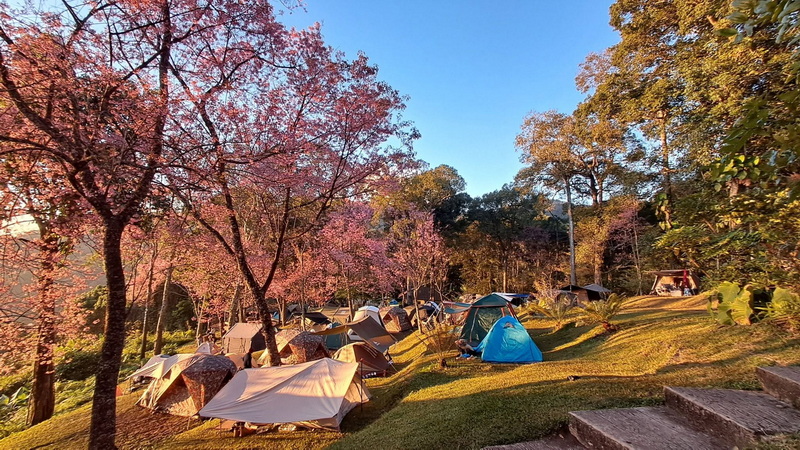
Tents set up on grassy hill with flowering trees and blue sky overhead at Doi Suthep-Pui National Park.

Doi Suthep-Pui National Park is a lush natural reserve situated just outside the city limits of Muang Chiang Mai. The park is famous for its mountainous terrain, dense forests, and panoramic views of Chiang Mai from its summit. Visitors often come here to hike, explore waterfalls, and visit the sacred Wat Phra That Doi Suthep temple, which is a significant religious site for locals.

While the park is primarily a daytime destination, its proximity to Nimmanhaemin road makes it a perfect complement to an evening in the city. The natural beauty and serene environment offer a refreshing contrast to the urban atmosphere, making it a worthwhile stop for travelers interested in combining nature with cultural experiences.

Wat Jed Yod

Ancient brick stupa with a pointed spire under cloudy sky surrounding trees at Wat Jed Yod.

Wat Jed Yod is a historic Buddhist temple located within Muang Chiang Mai, known for its distinctive architecture featuring seven spires and intricate stucco work. The temple’s peaceful setting provides visitors with a quiet place to reflect and observe traditional religious practices.

Visiting Wat Jed Yod in the evening allows travelers to appreciate the calm ambiance and observe the temple grounds without the crowds typical of daytime hours. It offers a meaningful cultural experience that complements the vibrant street life found along Nimmanhaemin road.

Where the Experience Leads Next

Nimmanhaemin road in Chiang Mai offers a compelling combination of evening cultural activities, convenient private driver transport, and authentic souvenir shopping opportunities. By planning your visit around these elements, you can enjoy a smooth and enriching experience that balances urban energy with local tradition. Whether wandering through artisan shops or exploring nearby natural and religious attractions, this area provides a well-rounded evening itinerary for travelers seeking both relaxation and cultural engagement. With private driver Chiang Mai services available, moving between destinations becomes effortless, letting you focus fully on discovering the unique charm of Nimmanhaemin road and its surroundings.

Exploring the Three Kings Monument with Family-Friendly Temple Tours in Chiang Mai Province

Exploring the Three Kings Monument with Family-Friendly Temple Tours in Chiang Mai Province

Discover family travel options and cultural temple tours around a historic landmark in Chiang Mai Province

Flowers blooming along a canal with trees and buildings in the background at Three kings Monument.

The Three Kings Monument stands as a proud symbol of unity and heritage in Muang Chiang Mai, inviting families to explore the rich cultural tapestry of northern Thailand. As a focal point in Chiang Mai Province, this monument not only commemorates the legendary founding kings but also serves as a gateway to numerous temple tours that offer meaningful experiences for visitors of all ages. Families traveling to this region will find that Chiang Mai Temple Tours provide a blend of cultural education and accessible sightseeing, making them ideal for young children and adults alike. These tours emphasize respectful engagement with the local Lanna heritage while ensuring that the pace and content suit family needs. In addition to the monument itself, the surrounding area features several renowned temples that complement a family-oriented itinerary. With thoughtfully designed Chiang Mai Family Package Tours, travelers can enjoy a balanced combination of history, spirituality, and leisure within the welcoming atmosphere of Chiang Mai Province. This article explores the cultural importance of the Three Kings Monument, highlights family-friendly temple tours, and offers insights into planning an enriching visit that includes nearby attractions, ensuring a fulfilling experience for families eager to connect with the heart of northern Thailand.

Cultural and Historical Significance of the Three Kings Monument

The Three Kings Monument is a revered landmark in Chiang Mai, representing the alliance of King Mengrai, King Ramkhamhaeng of Sukhothai, and King Ngam Muang of Payao. These three monarchs are credited with the founding and early development of Chiang Mai, making the monument a powerful symbol of unity and cooperation in the region's history.

Erected in the city center of Muang Chiang Mai, the monument offers visitors a tangible connection to the Lanna Kingdom’s heritage. It stands not only as a tribute to these influential rulers but also as a reminder of the cultural identity that continues to shape the province today.

For families, the monument serves as an educational starting point to understand the historical context of the area before embarking on temple tours. Its open plaza and accessible location make it convenient for children to explore while parents appreciate the deeper stories behind the site.

Temple Tours Suitable for Families Around the Three Kings Monument

Chiang Mai Temple Tours near the Three Kings Monument are thoughtfully curated to accommodate families with children, balancing cultural depth with engaging experiences. These tours typically include visits to prominent temples where families can learn about Buddhist traditions, architecture, and local customs in a respectful and approachable manner.

One of the benefits of these tours is their flexible pace, allowing families to spend time absorbing the serene atmosphere without feeling rushed. Guides often tailor explanations to be accessible for younger travelers, fostering curiosity and respect for the sacred spaces.

Statues of three kings on a pedestal with flags in front of a building at Three kings Monument.

Participating in these temple tours provides opportunities for children to witness traditional rituals and appreciate the artistry of temple murals and sculptures. This hands-on cultural exposure enriches a family’s understanding of Chiang Mai Province beyond typical sightseeing.

By joining a family-friendly tour, parents can feel confident that the itinerary considers the needs of all ages, including breaks and interactive moments that keep children engaged and comfortable throughout the day.

Considering Family Package Tours in Chiang Mai Province

Chiang Mai Family Package Tours are designed to offer comprehensive travel experiences that combine cultural visits, leisure activities, and practical planning for families. These packages often include multiple temple visits, local cuisine tastings, and opportunities to interact with community artisans, all framed within a manageable schedule.

Such packages provide convenience for families by grouping key attractions, including the Three Kings Monument and nearby temples, into thoughtfully sequenced itineraries. This approach reduces the stress of planning and ensures that cultural engagement remains the focus.

In addition to cultural sites, family packages incorporate elements that appeal to children, such as visits to parks or markets, creating a well-rounded travel experience. The inclusion of expert guides familiar with family dynamics enhances the overall enjoyment and educational value.

Murale of a group of people in traditional clothing engaging with each other at Three kings Monument.

These packages also respect the provincial context of Chiang Mai, encouraging travelers to appreciate the region’s traditions and natural beauty in a way that is both immersive and considerate of local customs.

Nearby Temples That Complement a Family Cultural Visit

The area surrounding the Three Kings Monument features several temples that are ideal for family visits, each offering unique insights into Chiang Mai’s spiritual heritage. Wat Phra Singh and Wat Chedi Luang stand out as accessible and culturally rich destinations to include in any temple tour itinerary.

Wat Phra Singh is known for its beautiful Lanna architecture and the revered Phra Singh Buddha image. The temple grounds are spacious and welcoming, providing families with a peaceful environment to explore and learn about Buddhist art and ceremonies.

Wat Chedi Luang, once housing the Emerald Buddha, is notable for its impressive ruined chedi (stupa) and historical significance. Families can appreciate the temple’s layered history and the ongoing cultural practices that keep its legacy alive.

Both temples offer shaded areas and open spaces where children can move comfortably while adults absorb the historical and religious importance of the sites. These temples enrich the family’s understanding of Chiang Mai Province’s cultural landscape.

Boy standing with arms crossed in front of large wooden mythological statues under palm trees at Three kings Monument.

Practical Tips for Families Visiting the Three Kings Monument and Temples

When planning a visit to the Three Kings Monument and nearby temples, families should consider timing their tours to avoid the midday heat, ensuring a more comfortable experience for young children. Early mornings or late afternoons are ideal for sightseeing and photography.

Dressing respectfully is important when visiting temples, so families should prepare lightweight clothing that covers shoulders and knees. Comfortable walking shoes are essential due to the temple grounds’ varied surfaces.

Engaging with local guides who specialize in family tours can enhance the visit by providing age-appropriate explanations and facilitating meaningful interactions with the cultural environment. This guidance also helps maintain respectful behavior around sacred sites.

Bringing water, snacks, and sun protection will keep children comfortable during longer tours. Additionally, allowing for breaks in shaded or quieter areas helps maintain a relaxed and enjoyable pace throughout the day.

By incorporating these considerations, families can fully appreciate the cultural richness of Chiang Mai Province while ensuring that the experience remains positive and memorable for all members.

Nearby Attractions

Wat Phra Singh

Monks in orange robes accepting offerings from women on a busy street sidewalk at Wat Phra Singh.

Wat Phra Singh is one of Chiang Mai’s most revered temples, located within a short distance from the Three Kings Monument. It showcases stunning Lanna-style architecture and is home to the highly venerated Phra Singh Buddha statue, attracting visitors seeking spiritual and cultural enrichment.

The temple complex offers a serene setting with beautiful murals and intricate woodcarvings that reflect the region’s artistic heritage. Families appreciate the spacious courtyards and the peaceful ambiance, which encourage quiet reflection and learning.

Visitors can observe monks performing rituals or participate in traditional Buddhist practices, providing a respectful and educational experience suitable for children and adults alike. Wat Phra Singh’s accessibility and cultural significance make it a cornerstone of Chiang Mai Temple Tours.

Wat Chedi Luang

Person praying before four large golden Buddha statues inside a temple room at Wat Chedi Luang.

Wat Chedi Luang is a historic temple known for its massive chedi, which was once the tallest structure in Chiang Mai. Although partially ruined, the chedi’s scale and architecture continue to impress visitors, offering a glimpse into the city’s past grandeur.

The temple grounds include several important Buddha images and a blend of restored and original structures, making it a fascinating site for families interested in history and religion. The atmosphere is contemplative yet welcoming, inviting visitors to explore at their own pace.

Wat Chedi Luang’s proximity to the Three Kings Monument allows for easy inclusion in family temple tours, enriching the itinerary with a deeper understanding of Chiang Mai Province’s cultural and spiritual legacy.

Where the Experience Leads Next

Visiting the Three Kings Monument alongside family-friendly temple tours offers a meaningful way to connect with Chiang Mai Province’s rich heritage. Thoughtful planning and consideration of family needs transform the experience into an educational and enjoyable journey for all ages. By exploring nearby temples such as Wat Phra Singh and Wat Chedi Luang, families gain insight into the spiritual traditions and artistry that define the region. This combination of history, culture, and accessible travel options ensures that families leave with lasting memories and a deeper appreciation for northern Thailand’s cultural heart.

Cultural Dinner and Lanna Show Experiences in Chiang Mai with Khum Khantoke

Cultural Dinner and Lanna Show Experiences in Chiang Mai with Khum Khantoke Explore authentic Lanna cultural shows and traditional dinners...