Wednesday, October 7, 2026

Exploring Baan Tawai Wood Carving Village and Chiang Mai Shopping Delights

Exploring Baan Tawai Wood Carving Village and Chiang Mai Shopping Delights

A practical travel guide to Chiang Mai’s cultural village and shopping scene with nearby outdoor adventures
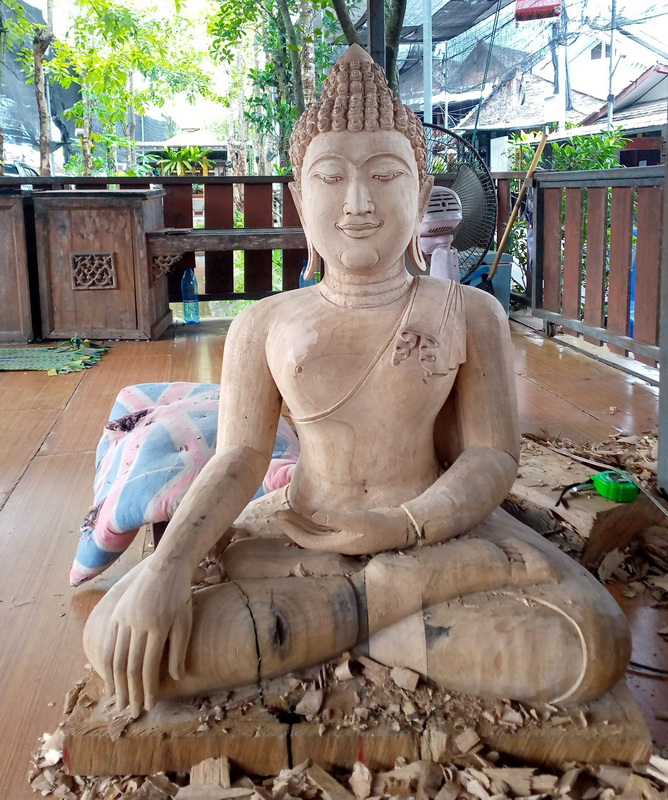
Wooden statue of a seated Buddha-like figure outdoors with trees in the background at Baan Tawai Wood Carving Village.

Chiang Mai is renowned for its rich cultural heritage and vibrant artisan communities, and among its best villages to visit is the Baan Tawai Wood Carving Village. Located in Hang Dong District, this village is a treasure trove of traditional Thai craftsmanship, offering visitors a unique glimpse into wood carving artistry that has been passed down through generations. Whether you are a culture enthusiast or a curious traveler, Baan Tawai provides a welcoming atmosphere to explore authentic handicrafts and local artisan lifestyles. Beyond its artistic appeal, Baan Tawai Wood Carving Village serves as a gateway to Chiang Mai’s broader shopping scene. Chiang Mai is famous for its markets and local shops that offer everything from handmade souvenirs to contemporary Thai designs. This travel guide will help you navigate both the village’s cultural richness and the city’s shopping highlights, ensuring you can plan a fulfilling visit that combines meaningful cultural experiences with enjoyable retail therapy. Additionally, the area around Baan Tawai offers exciting outdoor activities, including the spectacular Grand Canyon Chiang Mai and the immersive Chiang Mai Horse Riding Adventure. These nearby attractions complement a village visit perfectly, allowing travelers to blend cultural discovery with nature and adventure for a well-rounded Chiang Mai itinerary.

Discovering Baan Tawai Wood Carving Village

Baan Tawai Wood Carving Village, located in the Hang Dong District of Chiang Mai, is widely recognized as the premier cultural village dedicated to traditional Thai woodcraft. The village is home to numerous workshops where skilled artisans carve intricate designs into teak and other hardwoods, creating everything from furniture and decorative panels to religious statues and home décor items. Visitors can watch these craftsmen at work, gaining insight into the techniques and dedication required to produce such detailed pieces. Travelers researching Best Villages To Visit In Chiang Mai can use these details when planning the trip. Travelers researching Ban Tawai Wood Carving Village Travel Guide can use these details when planning the trip. Travelers researching Chiang Mai Shopping Guide can use these details when planning the trip.

The village itself is a blend of old-world charm and modern convenience. Strolling through its streets, you’ll find beautifully curated galleries and shops displaying a broad range of woodcarvings that reflect northern Thai culture and folklore. Many of these pieces are available for purchase, making Baan Tawai an ideal place to find authentic souvenirs that support local artisans and preserve cultural traditions.

Beyond wood carving, the village also showcases other traditional crafts like textiles, ceramics, and silverware, allowing visitors to experience the diversity of northern Thailand’s artisan heritage. The community’s respectful approach to preserving these crafts ensures that visitors engage with them in a culturally sensitive and educational manner.

Planning Your Visit with the Ban Tawai Wood Carving Village Travel Guide

When planning a visit to Baan Tawai, it’s helpful to allocate several hours to fully appreciate the village’s offerings. Early mornings tend to be quieter, which is ideal for observing artisans without crowds. The village is easily accessible by car or tuk-tuk from Chiang Mai city center, making it a convenient day trip destination.

The village has a variety of eateries where visitors can enjoy local northern Thai cuisine, adding a culinary dimension to the cultural experience. Many shops and galleries accept credit cards, but carrying some cash is advisable for smaller purchases or bargaining. Respectful behavior and photography etiquette are important, especially when artisans are working, so always ask permission before taking close-up photos.

Wooden vases with swirling grain patterns arranged in a shop display at Baan Tawai Wood Carving Village.

For those interested in deeper engagement, some workshops offer short classes or demonstrations, allowing visitors to try their hand at carving or other crafts under expert guidance. This interactive element enriches the visit, providing a hands-on understanding of the skill involved.

Combining a visit to Baan Tawai with other local attractions can maximize your itinerary. The village’s location in Hang Dong District places it near several outdoor adventure spots, making it easy to mix cultural exploration with nature-based activities.

Chiang Mai Shopping Guide: Beyond the Village

While Baan Tawai Wood Carving Village is a highlight for artisan crafts, Chiang Mai’s broader shopping scene offers a vibrant variety of options for all types of travelers. The city is famous for its bustling local markets such as the Night Bazaar, Warorot Market, and Sunday Walking Street, where visitors can find everything from handmade jewelry and textiles to street food and contemporary Thai fashion.

For souvenir shopping, these markets complement the village experience by providing a wider selection of goods at varying price points. Many vendors emphasize locally made products, helping travelers support sustainable and ethical shopping practices. The markets are also lively social hubs where visitors can absorb the city’s energetic atmosphere and interact with friendly locals.

In addition, Chiang Mai has several modern shopping centers and boutique stores that blend traditional designs with modern trends. These venues are perfect for travelers looking for unique gifts or stylish pieces that reflect Thai aesthetics with a contemporary twist.
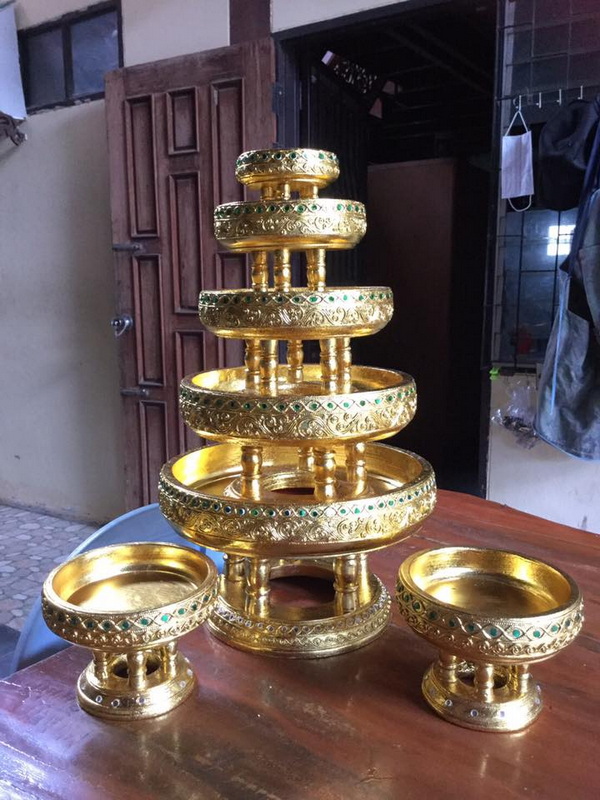
Golden multi-tiered decorative stand with intricate patterns on a wooden table indoors at Baan Tawai Wood Carving Village.

When shopping in Chiang Mai, it’s wise to keep an eye out for quality and authenticity, especially when purchasing handicrafts. Asking about the origins of products and the artisans behind them enriches the shopping experience and ensures purchases are meaningful and respectful of local culture.

Outdoor Activities Near Baan Tawai for a Balanced Itinerary

After immersing yourself in the cultural richness of Baan Tawai Wood Carving Village and exploring Chiang Mai’s shopping scene, consider adding outdoor adventures to your travel plan. Two notable nearby attractions are the Grand Canyon Chiang Mai and the Chiang Mai Horse Riding Adventure, both offering refreshing ways to experience northern Thailand’s natural beauty.

The Grand Canyon Chiang Mai is a dramatic former quarry turned natural swimming and cliff diving spot. Its turquoise waters and rugged cliffs provide a scenic backdrop perfect for relaxation or adrenaline-fueled activities. It’s a popular destination for both locals and tourists, easily reachable from Hang Dong District, making it a great complement to a day spent in the village.

For those seeking a more active outdoor experience, the Chiang Mai Horse Riding Adventure offers guided trails through lush countryside and forested hills. This activity provides a unique perspective on northern Thailand’s landscapes and is suitable for riders of various skill levels. Combining a visit to Baan Tawai with horse riding creates a diverse itinerary that balances cultural appreciation with physical activity and nature immersion.

These nearby attractions demonstrate the variety available within a short distance from the village, helping travelers craft a well-rounded and memorable Chiang Mai experience.
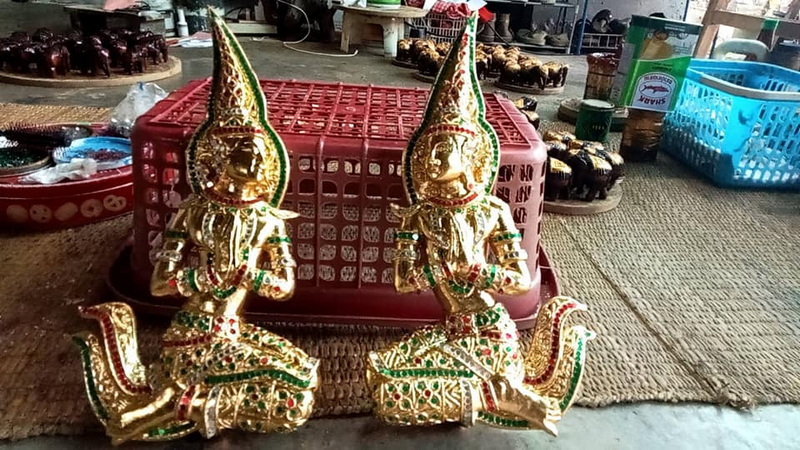
Two detailed gold mythological statues with tall pointed hats and ornate features at Baan Tawai Wood Carving Village.

Tips for Combining Village Visits, Shopping, and Outdoor Fun

To make the most of your time in Chiang Mai, it’s helpful to plan a flexible itinerary that allows you to experience the cultural, shopping, and outdoor highlights without feeling rushed. Start your day early with a visit to Baan Tawai Wood Carving Village to enjoy the artisan workshops and galleries in a calm setting. Follow this with a leisurely lunch at one of the village’s local eateries.

In the afternoon, head to one of Chiang Mai’s local markets or shopping districts to explore a wider range of products and enjoy the city’s lively atmosphere. Evening markets offer a festive ambiance and are ideal for picking up last-minute souvenirs or sampling street food.

Reserve a separate day or half-day for outdoor activities like the Grand Canyon Chiang Mai or horse riding, depending on your interests and physical stamina. These excursions offer a refreshing contrast to the village and market scenes and allow you to appreciate northern Thailand’s natural landscapes.

Transportation between these sites is straightforward, with taxis, tuk-tuks, and rental vehicles readily available. Hiring a local guide or joining a small group tour can enhance your experience by providing cultural context and logistical ease.

Remember to respect local customs throughout your travels, particularly when visiting artisan communities and natural sites. Taking time to learn about the culture and environment enriches your visit and supports sustainable tourism.

Nearby Attractions

Grand Canyon Chiang Mai
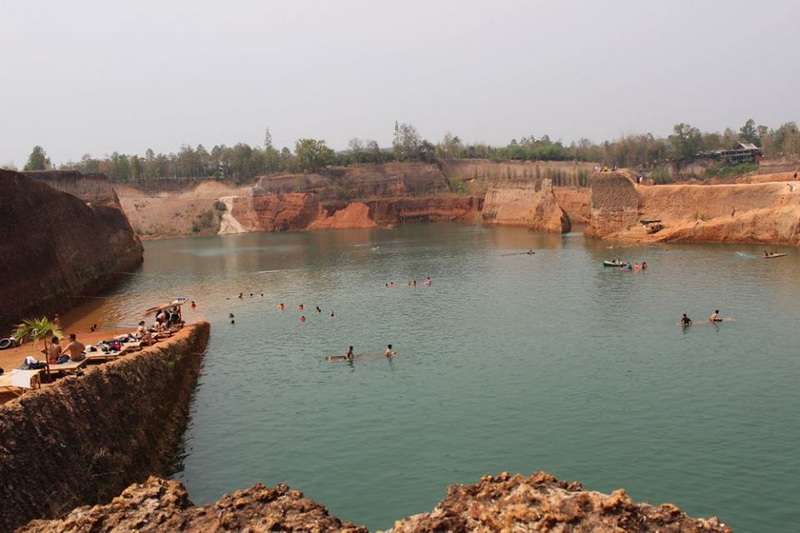
People swimming and relaxing in a small water body with cliffs around it at Grand Canyon Chiang Mai.

The Grand Canyon Chiang Mai is a striking natural attraction formed from a former sandstone quarry. It features crystal-clear blue water surrounded by steep cliffs and lush greenery, creating a picturesque location for swimming, cliff jumping, and sunbathing.

Visitors appreciate the site for its relaxed vibe and natural beauty, making it a perfect spot to unwind after exploring cultural sites like Baan Tawai. Facilities such as cafes and rest areas are available, ensuring a comfortable visit.

Safety is important here, especially for cliff diving, so pay attention to posted guidelines and local advice. The Grand Canyon is accessible by car or motorbike from Hang Dong District, making it a convenient addition to a day of village exploration.

Chiang Mai Horse Riding Adventure
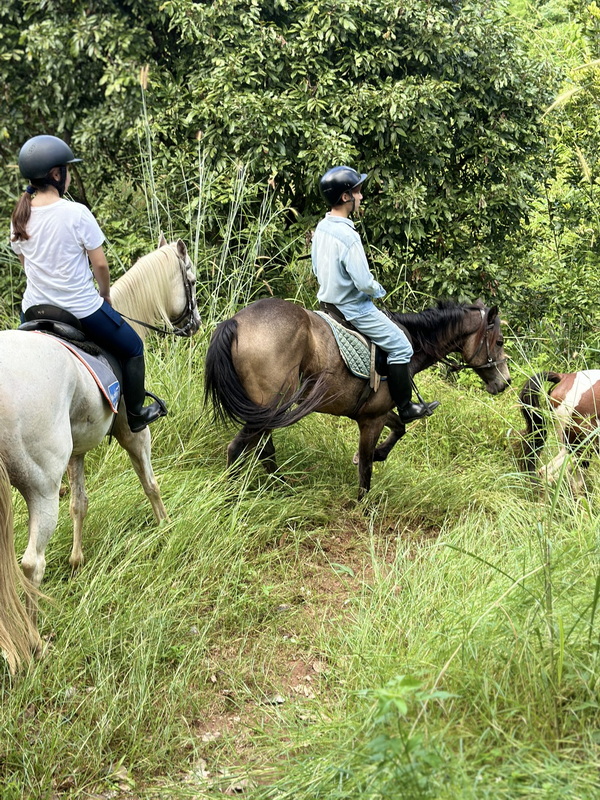
Two riders wearing helmets on horseback surrounded by lush greenery at Chiang Mai Horse Riding Adventure.

The Chiang Mai Horse Riding Adventure offers an engaging way to explore the countryside surrounding Hang Dong and Chiang Mai. Guided horseback tours take riders through forest trails, farmland, and scenic hills, showcasing the region’s natural charm.

Suitable for beginners and experienced riders alike, these excursions provide opportunities to connect with nature while learning about local flora and fauna. Friendly guides ensure a safe and enjoyable experience, adapting the pace to the group’s comfort level.

Combining horse riding with a visit to Baan Tawai allows travelers to balance cultural immersion with active outdoor pursuits, enriching the overall Chiang Mai itinerary.

Where the Experience Leads Next

Exploring Baan Tawai Wood Carving Village alongside Chiang Mai’s vibrant shopping venues and nearby outdoor attractions offers a multifaceted travel experience. This blend of cultural discovery, artisan craft appreciation, and engaging activities ensures that visitors leave with a deeper understanding of northern Thailand’s heritage and lifestyle. Thoughtful planning, respect for local traditions, and openness to new experiences will help you create a memorable and meaningful journey through one of Thailand’s most captivating regions.


Evening Activities and Travel Guide for Chiang Mai New Year Countdown 2027 by CAD

Evening Activities and Travel Guide for Chiang Mai New Year Countdown 2027 by CAD

Discover evening highlights and practical tips for enjoying the New Year celebrations in Chiang Mai's vibrant city center

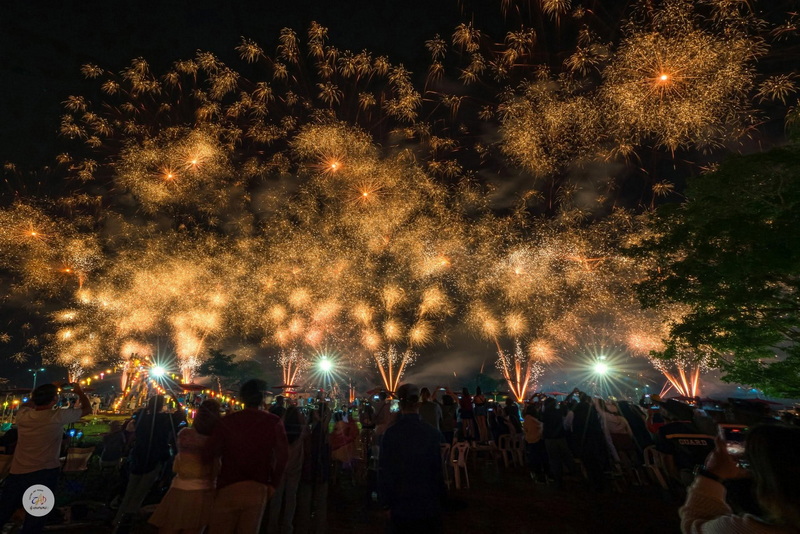
Colorful fireworks illuminate the night sky over an outdoor celebration area at Chiang Mai New Year Countdown 2027 by CAD.

As the year draws to a close, Chiang Mai transforms into a lively hub of celebration and cultural festivities. The Chiang Mai New Year Countdown 2027 by CAD offers travelers a unique opportunity to experience the city’s warm evening atmosphere filled with traditional performances, glowing lanterns, and communal joy. For first-time visitors, the event provides a welcoming environment combining cultural richness with modern festivities, making it an ideal time to explore evening activities in this northern Thai city. This guide focuses on the best things to do in Chiang Mai evening during the countdown, highlighting how to blend festive experiences with local tours that showcase the city’s charm. Whether you prefer a relaxed stroll through historic neighborhoods or an engaging cultural tour, there are options tailored to suit various interests and schedules. Practical travel advice is also included to help visitors navigate the event smoothly, ensuring a memorable and respectful celebration of the New Year in Mueang Chiang Mai District. By focusing on evening activities and travel guidance specific to the New Year Countdown, this article aims to equip travelers with the knowledge and confidence to make the most of their visit. From participating in local traditions to discovering curated tours that complement the nighttime festivities, this travel guide offers a balanced and insightful overview of what to expect and how to plan your time effectively.

The Evening Atmosphere at Chiang Mai New Year Countdown 2027

As night falls in Mueang Chiang Mai District, the city’s energy shifts to a vibrant and festive mood. The New Year Countdown event is marked by illuminated streets, lively crowds, and stages hosting traditional music and dance performances. Lanterns, both floating and flying, create a magical ambiance that blends the spiritual with the celebratory, inviting visitors to partake in a uniquely Thai way of welcoming the new year. Travelers researching Tours Chiang Mai can use these details when planning the trip. Travelers researching Chiang Mai New Year Countdown 2027 Travel Guide can use these details when planning the trip.

Local markets remain open late, offering an array of street food and handcrafted souvenirs, providing a sensory-rich experience for those exploring the city in the evening. The warm climate at night encourages leisurely walks through the Old City and along the Ping River, where many community events and countdown activities take place.

Respect for local customs is evident throughout the event, with many visitors and residents joining in merit-making ceremonies at temples or releasing lanterns in a thoughtful and culturally meaningful way. This respectful atmosphere enhances the visitor experience by allowing a genuine connection with Chiang Mai’s cultural heritage during the celebrations.
Things To Do In Chiang Mai Evening During the Countdown

Visitors can immerse themselves in a variety of evening activities tailored to the New Year Countdown. Popular options include attending cultural shows featuring traditional Lanna dance and music, which provide insight into the region’s artistic heritage. These performances are often held in open-air venues or cultural centers around the city, making them accessible and enjoyable for all ages.

Exploring night markets such as the Chiang Mai Night Bazaar or the Saturday Night Market offers a lively shopping and dining experience. Here, travelers can sample local delicacies like khao soi (curry noodle soup) and mango sticky rice while browsing for unique crafts and textiles.

Crowd watching vibrant fireworks display in the night sky at Chiang Mai New Year Countdown 2027 by CAD.

For those seeking a more contemplative experience, visiting temples such as Wat Phra Singh or Wat Chedi Luang in the evening allows participation in candlelight ceremonies and merit-making rituals that are central to the New Year tradition. These visits provide a peaceful counterpoint to the bustling countdown festivities.

Photography enthusiasts will find the evening lighting ideal for capturing the glow of lanterns and the vibrant street scenes, preserving memories of the event’s unique atmosphere.

Tours Chiang Mai Visitors Can Combine With Evening Plans

Several tours in Chiang Mai are designed to complement evening activities during the New Year Countdown. City walking tours that start late afternoon and extend into the evening allow travelers to experience both historic landmarks and the festive atmosphere as darkness falls.

Food tours focusing on northern Thai cuisine provide a curated tasting experience at popular local eateries and street food stalls, perfect for visitors eager to try authentic flavors while learning about regional culinary traditions.
For a more immersive cultural experience, guided temple tours in the early evening provide context for the spiritual significance of the countdown celebrations. These tours often include explanations of merit-making and lantern release customs, enhancing visitor understanding and appreciation.

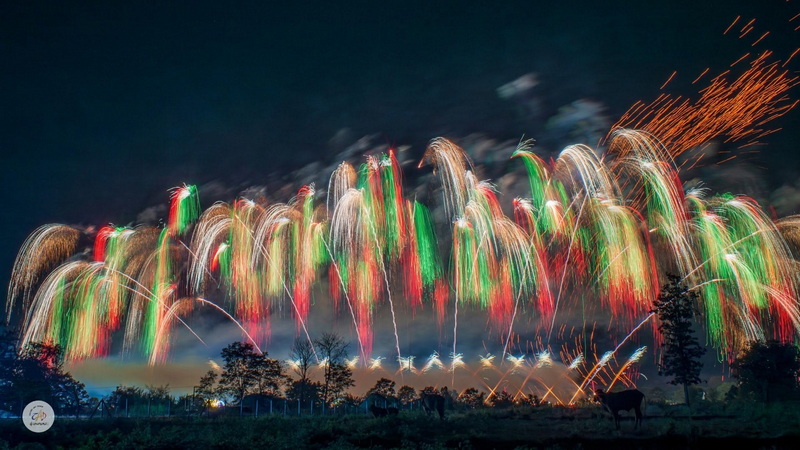
Fireworks lighting up the night sky over a landscape with trees and a horse silhouette at Chiang Mai New Year Countdown 2027 by CAD.

Some tours also offer river cruises on the Ping River during the evening, combining sightseeing with views of illuminated cityscapes and countdown events along the riverbanks. These options provide a relaxing way to enjoy the festivities from a different perspective.

When choosing tours, visitors should consider timing and proximity to key countdown venues to ensure seamless transitions between activities and the main event.

Travel Tips for Visitors Attending the New Year Countdown

Planning ahead is essential for a smooth experience at the Chiang Mai New Year Countdown 2027. Arriving early at popular venues helps secure good viewing spots and reduces the stress of large crowds. Public transportation and tuk-tuks are recommended for navigating busy areas, as parking can be limited near event sites.

Dressing comfortably and respectfully is advisable, especially when visiting temples or participating in cultural ceremonies. Lightweight, modest clothing and comfortable footwear will enhance mobility during evening explorations.

Staying hydrated and carrying a small flashlight or phone light can be helpful, as some areas may have uneven lighting. Visitors should also be mindful of local customs, avoiding loud or disruptive behavior, and showing respect for religious and cultural practices.

Bright fireworks illuminating the night sky over a decorated festive outdoor scene at Chiang Mai New Year Countdown 2027 by CAD.

It is wise to keep valuables secure and be aware of personal belongings in crowded spaces. Using official guides and tour operators ensures reliable information and supports ethical tourism practices.

Lastly, learning a few basic Thai phrases or greetings can enrich interactions with locals and demonstrate cultural respect, enhancing the overall visitor experience.

Key Takeaways for Enjoying Chiang Mai New Year Countdown 2027

The Chiang Mai New Year Countdown 2027 offers a rich blend of cultural celebration and lively evening activities that showcase the city’s unique heritage and festive spirit. Prioritizing evening experiences allows visitors to truly engage with the event’s atmosphere, from traditional performances to communal lantern releases.

Combining tours with evening plans provides a balanced itinerary that enriches understanding of local customs while enjoying the excitement of the countdown. Thoughtful travel planning, including respect for cultural norms and practical preparation, enhances comfort and enjoyment.

This event is an excellent opportunity for first-time visitors to connect with Chiang Mai’s community and traditions in a meaningful way, making the New Year celebration both memorable and culturally respectful.

Where the Experience Leads Next

Attending the Chiang Mai New Year Countdown 2027 by CAD promises a vibrant and culturally immersive experience for travelers seeking meaningful evening activities. By combining festive participation with well-chosen tours and practical travel tips, visitors can navigate the event with confidence and ease. Embracing the respectful spirit of the celebrations ensures a rewarding encounter with the city’s traditions and community. Whether you are savoring local cuisine, watching traditional performances, or releasing a lantern into the night sky, this travel guide equips you to make the most of your New Year’s Eve in Chiang Mai.

Sunday, October 4, 2026

Chiang Mai Shopping Guide and Orchid Jade Factory Travel Insights

Chiang Mai Shopping Guide and Orchid Jade Factory Travel Insights

Explore the best shopping in Chiang Mai while discovering the charm of Orchid Jade and nearby natural wonders

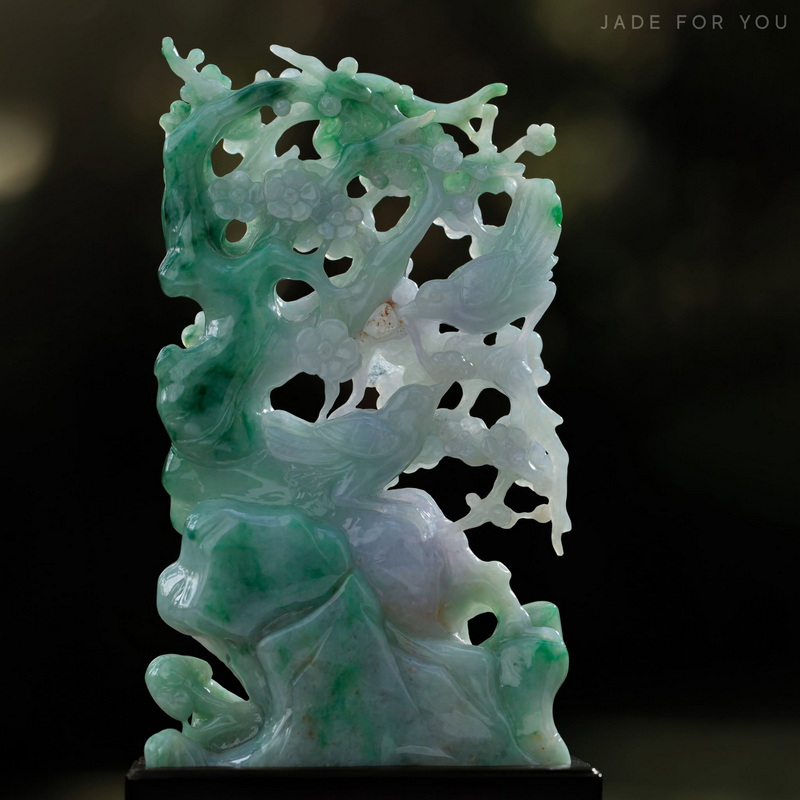
Detailed jade carving of a dragon surrounded by floral and cloud motifs at Orchid Jade Factory.

Chiang Mai is renowned for its vibrant markets, rich cultural heritage, and unique artisan products. Among the many shopping destinations, the Orchid Jade Factory stands out as a premier place to explore exquisite jade craftsmanship that reflects the region’s deep-rooted traditions. This guide offers practical advice for travelers eager to combine a memorable shopping experience with visits to some of Chiang Mai’s most iconic natural and cultural attractions. Visiting the Orchid Jade Factory in Mueang Chiang Mai District presents an opportunity to not only shop for authentic jade pieces but also to appreciate the artistry and care involved in their creation. Complementing your shopping excursion, nearby attractions such as Doi Suthep-Pui National Park and Wat Phra That Doi Suthep enrich your itinerary with nature and spirituality, making for a well-rounded travel experience. Whether you are a first-time visitor or returning to Chiang Mai, this article serves as a comprehensive Chiang Mai Shopping Guide and a travel companion to the Orchid Jade Factory. It highlights key planning tips, cultural insights, and suggestions on how to efficiently combine shopping with sightseeing in this captivating northern Thai city.

Overview of Shopping Options in Chiang Mai

Chiang Mai offers a diverse shopping scene that caters to all tastes and budgets. From bustling street markets like the Night Bazaar and Sunday Walking Street to specialized shops, the city is a treasure trove for shoppers. Among these, jade products hold a special place due to the region’s historical connection to the gemstone and its symbolic importance in Thai culture. Travelers researching Chiang Mai Orchid Jade Factory Travel Guide can use these details when planning the trip.

The Orchid Jade Factory is a standout destination for those interested in quality jade. Unlike typical souvenir stalls, this factory showcases finely crafted pieces made by skilled artisans who respect traditional methods. Visitors can find everything from delicate jewelry to larger decorative items, each piece reflecting the natural beauty of jade and the expertise of local craftsmen.

Shopping in Chiang Mai is not only about purchasing items but also about experiencing local culture. Markets often feature handmade textiles, ceramics, and woodwork alongside jade, allowing visitors to discover a variety of authentic northern Thai crafts. This makes Chiang Mai a perfect city for souvenir shopping and collecting meaningful mementos.

When planning your shopping itinerary, consider the timing and location of markets and shops. Early mornings and late afternoons are often best for avoiding crowds and enjoying a more relaxed atmosphere. The Orchid Jade Factory, located in Mueang Chiang Mai District, is accessible and can be combined with nearby sightseeing for a full-day experience.

Chiang Mai Orchid Jade Factory Travel Guide

The Orchid Jade Factory in Mueang Chiang Mai District is a must-visit for those interested in the art of jade. The factory offers guided tours that explain the jade sourcing, carving, and polishing processes, providing visitors with a deeper appreciation for the craft. These tours often include demonstrations and opportunities to meet the artisans behind the creations.

Pair of green jade earrings with silver settings on black fabric background at Orchid Jade Factory.

Visitors should plan their visit to allow ample time to explore the factory’s showroom, where a wide range of jade products is displayed. Many pieces are unique, reflecting the natural variations in jade color and texture. Ethical purchasing is encouraged, supporting local craftsmen and preserving traditional skills.

Getting to the Orchid Jade Factory is straightforward from central Chiang Mai. Many tours Chiang Mai options include the factory as part of their itinerary, often combined with visits to cultural and natural sites. For independent travelers, taxis or tuk-tuks offer convenient transportation.

When visiting, it is respectful to observe the craftsmanship without rushing and to inquire politely about the jade’s origin and the artisans’ techniques. This respectful attitude enriches the experience and supports sustainable tourism practices in the region.

Exploring Nearby Natural and Cultural Attractions

One of the advantages of visiting the Orchid Jade Factory is its proximity to significant cultural and natural landmarks. Doi Suthep-Pui National Park lies just a short distance away and offers a refreshing contrast to the urban shopping experience. The park features lush forests, hiking trails, and viewpoints overlooking Chiang Mai, providing an immersive encounter with northern Thailand’s natural beauty.

Another nearby attraction, Wat Phra That Doi Suthep, is one of Chiang Mai’s most revered temples. Perched on a mountain overlooking the city, it combines spiritual significance with stunning architecture and panoramic vistas. Many visitors integrate a trip to this temple with their shopping plans at the Orchid Jade Factory, creating a balanced itinerary that blends culture, nature, and commerce.

Both the national park and the temple are accessible by local transport and can be visited within a half-day or full-day trip. These sites offer insights into the region’s heritage and environment, enriching the overall travel experience for those interested in more than just shopping.

Light blue transparent chains with a silver clasp on white background at Orchid Jade Factory.

Combining visits to the Orchid Jade Factory with these attractions allows travelers to appreciate the broader context of Chiang Mai’s cultural landscape, understanding how local traditions and natural surroundings influence artisan crafts like jade carving.

Tips for Combining Shopping and Sightseeing

To make the most of your time in Chiang Mai, it’s helpful to plan your shopping and sightseeing activities strategically. Start your day early to visit the Orchid Jade Factory before the heat and crowds build up. This timing also allows for a more relaxed viewing of jade products and artisan demonstrations.

After your visit to the factory, consider heading to Wat Phra That Doi Suthep. The temple’s location offers cooler temperatures and scenic views, making it a pleasant stop in the late morning or early afternoon. Allocate time to explore the temple grounds and learn about its historical and spiritual significance.

Following the temple visit, you can venture into Doi Suthep-Pui National Park for a nature walk or a short hike. The park’s trails vary in difficulty, so choose one that suits your fitness level and interests. This natural break complements the cultural and commercial experiences of the day.

When planning transport, use local taxis or arrange for a driver who can wait while you visit each site. This ensures flexibility and efficiency, allowing you to move seamlessly between shopping and sightseeing. Don’t forget to stay hydrated and wear comfortable footwear as the day may involve walking and outdoor exploration.

Silver earrings with green gemstone beads and small clear stones on a white textured surface at Orchid Jade Factory.

Lastly, respect local customs and practices at all locations. Support ethical shopping by asking about product origins and artisan backgrounds. At cultural sites, observe dress codes and behavioral guidelines to honor the local heritage.

Summary of Planning Considerations for Visitors

When visiting Chiang Mai, integrating a shopping experience at the Orchid Jade Factory with visits to nearby natural and cultural attractions enhances your trip by offering variety and depth. Prioritize your interests and allow sufficient time for each activity to avoid a rushed itinerary.

Choose a time of year with favorable weather, typically the cooler dry season, to enjoy outdoor attractions like Doi Suthep-Pui National Park and Wat Phra That Doi Suthep comfortably. Weekdays may offer a quieter experience at the factory and nearby sites compared to weekends.

Prepare for your visits by learning a few basic Thai phrases or cultural etiquette tips; this fosters positive interactions with locals and artisans. Also, consider sustainable travel practices, such as minimizing waste and respecting the natural environment.

By planning thoughtfully, travelers can create a balanced itinerary that highlights the best of Chiang Mai’s shopping scene and its rich cultural and natural heritage, leaving with meaningful souvenirs and memorable experiences.

Nearby Attractions

Doi Suthep-Pui National Park

Travel photograph selected for Doi Suthep-Pui National Park destination guide.

Doi Suthep-Pui National Park is a lush mountainous area offering a refreshing natural escape from the city bustle of Chiang Mai. The park is known for its dense forests, diverse flora and fauna, and well-maintained hiking trails that vary from easy walks to more challenging treks.

Visitors can enjoy scenic viewpoints that overlook the city and the surrounding countryside, making it a popular spot for photographers and nature lovers. The park also features waterfalls and picnic areas, ideal for a relaxing day outdoors.

The park’s biodiversity and natural beauty provide insight into northern Thailand’s ecological significance, complementing cultural visits nearby. It is a peaceful retreat that contrasts with the vibrant shopping atmosphere of the city.

Access to the park is straightforward from Mueang Chiang Mai District, making it an excellent addition to any itinerary that includes the Orchid Jade Factory.

Wat Phra That Doi Suthep

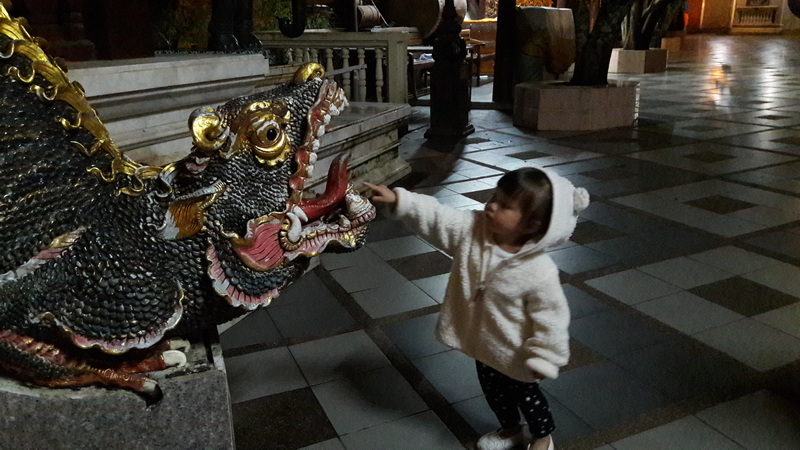
Girl touching a decorative dragon sculpture indoors with tiled flooring and ornate surroundings at Wat Phra That Doi Suthep.

Wat Phra That Doi Suthep is one of Chiang Mai’s most iconic temples, perched high on Doi Suthep mountain. It holds great religious significance and is a pilgrimage site for many Thai Buddhists. The temple’s golden chedi is visible for miles and serves as a landmark for the city below.

Visitors to the temple can admire intricate Lanna-style architecture, detailed murals, and serene Buddha statues. The site also offers panoramic views of Chiang Mai, especially spectacular at sunrise and sunset.

A visit to Wat Phra That Doi Suthep provides cultural and spiritual context that enriches the experience of exploring northern Thailand. The temple is well-maintained and accessible by a scenic mountain road, with options to climb a staircase adorned with mythical naga serpents for those seeking a more active approach.

Combining this visit with shopping at the Orchid Jade Factory gives travelers a balanced day of cultural immersion and artisanal appreciation.

Where the Experience Leads Next

Chiang Mai’s blend of traditional craftsmanship, vibrant markets, and remarkable natural and cultural sites makes it a destination that rewards thoughtful planning. By integrating a visit to the Orchid Jade Factory with excursions to nearby Doi Suthep-Pui National Park and Wat Phra That Doi Suthep, travelers can enjoy a rich and varied experience. This combination not only satisfies the desire for quality shopping but also deepens understanding and appreciation of northern Thailand’s heritage and environment. With practical planning and respect for local customs, your journey through Chiang Mai will be both fulfilling and memorable.

Bamboo Rafting in Mae Wang Adventures and Local Sights

Bamboo Rafting in Mae Wang Adventures and Local Sights

Experience thrilling rafting tours combined with nearby cultural and natural attractions in Mae Wang District, Chiang Mai.

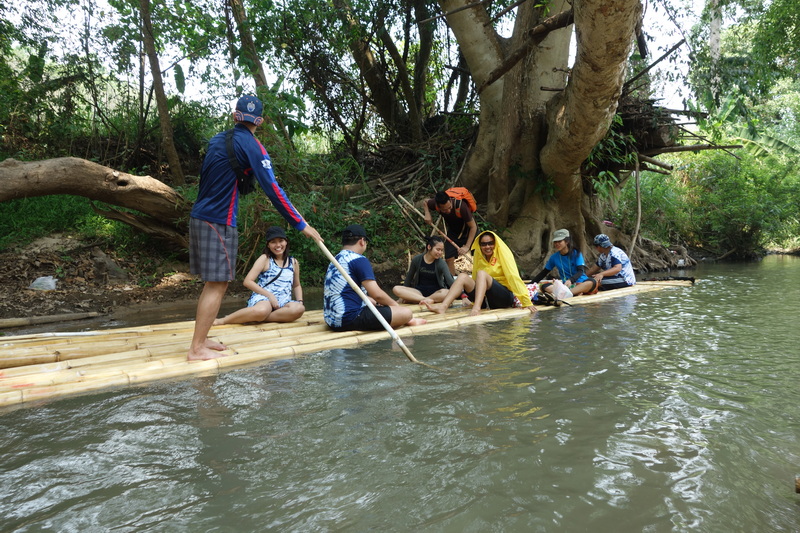
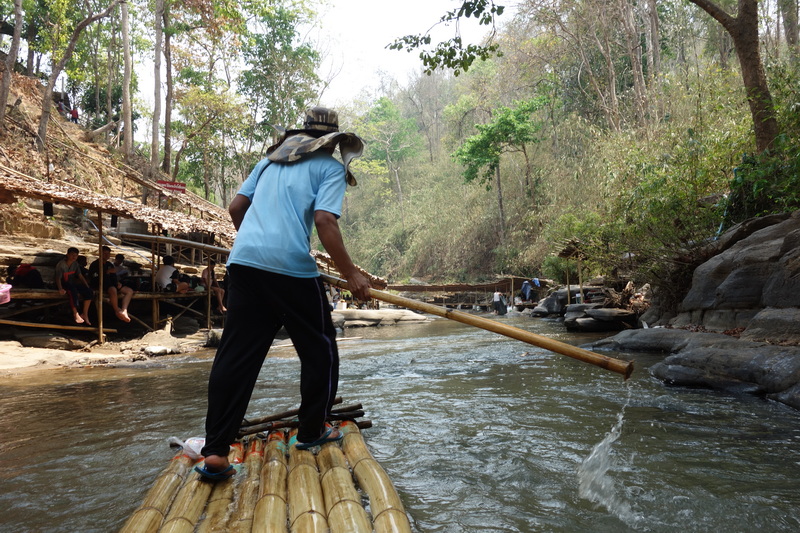
People sitting and standing on a bamboo raft in a river surrounded by lush trees at Bamboo Rafting in Mae Wang.

Nestled in the lush landscapes of Mae Wang District, Chiang Mai, Bamboo Rafting offers an invigorating blend of action and adventure that appeals to thrill-seekers and nature lovers alike. This unique form of rafting involves navigating gentle to moderately challenging river currents atop traditional bamboo rafts, providing an authentic and immersive way to experience northern Thailand’s vibrant waterways. Beyond the excitement of the river, travelers can explore fascinating nearby attractions that enrich the adventure with cultural and ecological discovery. Chiang Mai Bamboo Rafting Tours have gained popularity for delivering more than just an adrenaline rush—they offer a chance to connect closely with the natural environment while supporting ethical tourism practices. The surrounding area boasts notable sites like the Khun Wang Royal Project and the dramatic geological formations of Pha Chor, making the journey a well-rounded exploration of Mae Wang’s diverse attractions. For those seeking action and adventure in Chiang Mai, combining rafting with local sightseeing promises a memorable and responsible travel experience.

The Thrill of Bamboo Rafting in Mae Wang

Bamboo rafting in Mae Wang is a distinctive adventure tourism activity that offers a refreshing alternative to conventional white-water rafting. Crafted from sturdy bamboo poles, these rafts glide smoothly along the Mae Wang River, allowing rafters to engage with the river’s natural flow while appreciating the surrounding jungle scenery. The pace varies from calm stretches ideal for relaxation to sections that require skillful maneuvering, injecting a perfect balance of excitement and tranquility. Travelers researching Action And Adventure Chiang Mai can use these details when planning the trip. Travelers researching Chiang Mai Tourist Attractions can use these details when planning the trip.

What sets this form of rafting apart is its deep connection to local tradition and sustainable practices. The rafts are handmade by local artisans using natural materials, reflecting the community’s respect for their environment. Participants often find themselves immersed in the sounds of the forest and the cool river breeze, enhancing the sense of adventure without overwhelming commercial intrusion.

Chiang Mai Bamboo Rafting Tours emphasize safety and environmental awareness, ensuring that visitors enjoy their experience while minimizing ecological impact. Guides are knowledgeable about the river’s conditions and local culture, providing insights that enrich the journey beyond mere recreation. This focus on ethical tourism aligns well with travelers who seek meaningful and responsible outdoor activities.

Action and Adventure Themes in Mae Wang Rafting

Mae Wang’s natural terrain is ideal for those craving an active adventure. The river’s winding course through thick forests and mountainous backdrops presents opportunities for dynamic rafting challenges, including navigating around rocks and gentle rapids. While not classified as extreme rafting, the experience offers enough action to satisfy adventure enthusiasts and newcomers alike.

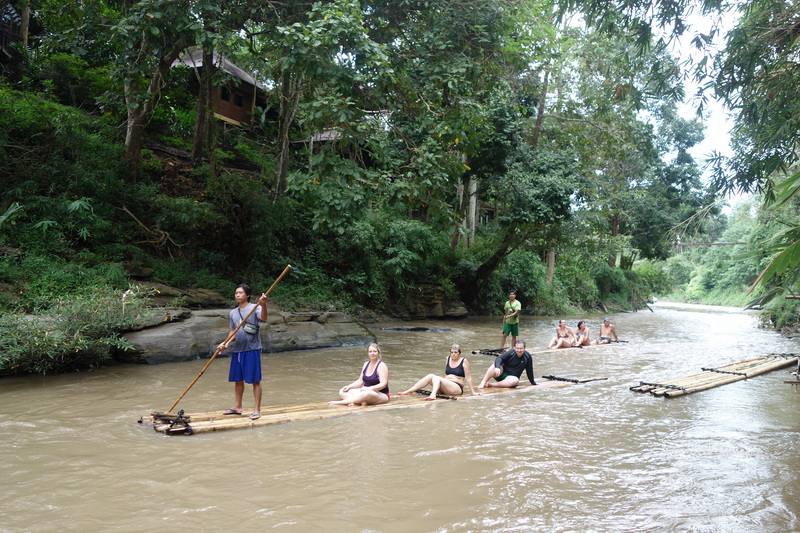
Group on bamboo raft sailing down a lush green river surrounded by trees at Bamboo Rafting in Mae Wang.

Beyond the rafting itself, the tours often incorporate hiking and exploration around the riverbanks, encouraging visitors to engage physically with the environment. This multi-activity approach enhances the sense of adventure, inviting travelers to discover hidden waterfalls, local flora, and fauna along the way. The combination of water-based excitement and land exploration creates a comprehensive action-packed itinerary.

Adventure travelers will appreciate the authentic feel of the journey, as the tours avoid over-commercialization and maintain a respectful approach to the natural setting. This authenticity adds to the thrill, making every rapid and calm pool a chance to connect genuinely with Mae Wang’s wild beauty.

Exploring Nearby Tourist Attractions Alongside Rafting

Mae Wang District is rich with local attractions that complement the rafting experience. Two standout sites are the Khun Wang Royal Project and Pha Chor, both offering unique insights into the region’s cultural and geological heritage.

The Khun Wang Royal Project is a sustainable agricultural initiative started under royal patronage, showcasing innovative farming techniques and conservation efforts. Visitors can learn about local crops, witness community-driven environmental practices, and enjoy scenic gardens. The project exemplifies responsible tourism by promoting ecological balance and local livelihoods, making it a meaningful stop after a day on the river.

People paddling bamboo rafts down a peaceful river in a forested area at Bamboo Rafting in Mae Wang.

Pha Chor, on the other hand, presents a striking natural spectacle with its towering cliffs and eroded rock formations carved by centuries of wind and water. This geological park invites exploration and photography, providing a dramatic contrast to the lush river environment. Walking trails lead visitors through the area’s unique landscape, offering panoramic views that highlight northern Thailand’s diverse natural beauty.

Blending Rafting Adventures with Local Sightseeing

One of the great appeals of Bamboo Rafting in Mae Wang is the ability to combine active river adventures with visits to nearby attractions, creating a full-day itinerary that satisfies both adrenaline cravings and cultural curiosity. Many tour operators facilitate this blend, allowing travelers to customize their experience according to interests and fitness levels.

A typical day might begin with an invigorating bamboo rafting session, followed by a visit to the Khun Wang Royal Project where guests can relax and learn about sustainable farming. Later, a trip to Pha Chor offers a chance to stretch legs and admire geological wonders, rounding out the adventure with an educational and scenic component.

This combination encourages travelers to engage holistically with the region, promoting an understanding of Mae Wang’s environment and communities while enjoying the thrills of outdoor activity. It also supports ethical tourism by distributing visitor impact across multiple sites and encouraging respect for local culture and nature.

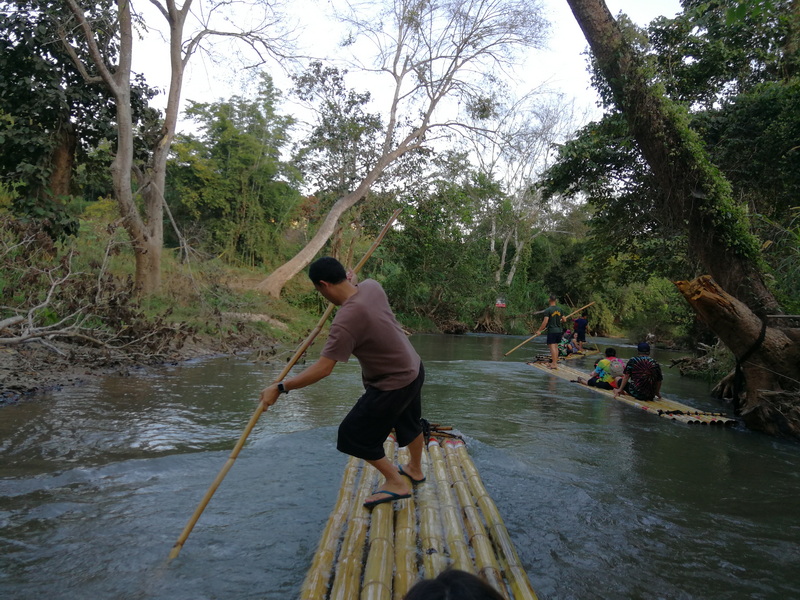
Person navigating a bamboo raft on a river with trees and rocks around at Bamboo Rafting in Mae Wang.

Practicing Responsible Adventure Tourism in Mae Wang

Adventure tourism in Mae Wang thrives when visitors adopt respectful and ethical practices. Bamboo rafting tours here emphasize the importance of preserving the river’s ecosystem and honoring the cultural heritage of local communities. Tour guides often brief participants on how to minimize environmental footprints, such as avoiding littering, respecting wildlife habitats, and using biodegradable products.

Supporting locally operated tours helps sustain the economy and encourages conservation efforts. Many operators collaborate closely with village residents, ensuring that tourism benefits are shared fairly and that cultural traditions are upheld without exploitation or misrepresentation.

Travelers are encouraged to approach the experience with an open mind and a sense of responsibility, recognizing that their actions contribute to the longevity of Mae Wang’s natural and cultural treasures. This mindful approach enhances the adventure by fostering genuine connections and deeper appreciation.

Nearby Attractions

Khun Wang Royal Project

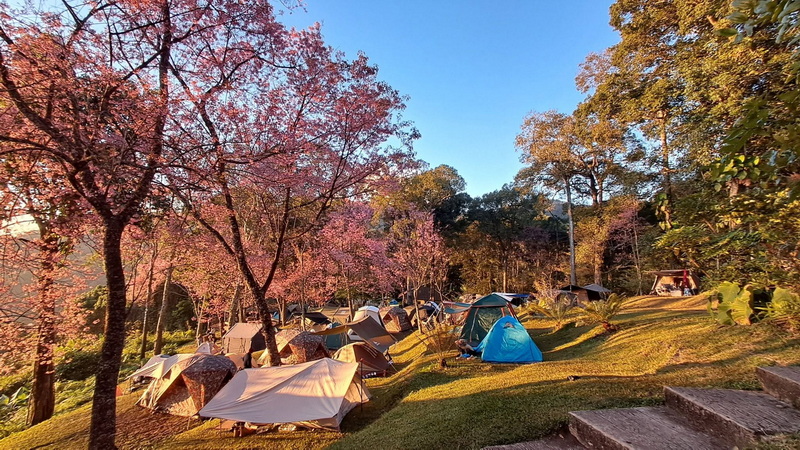
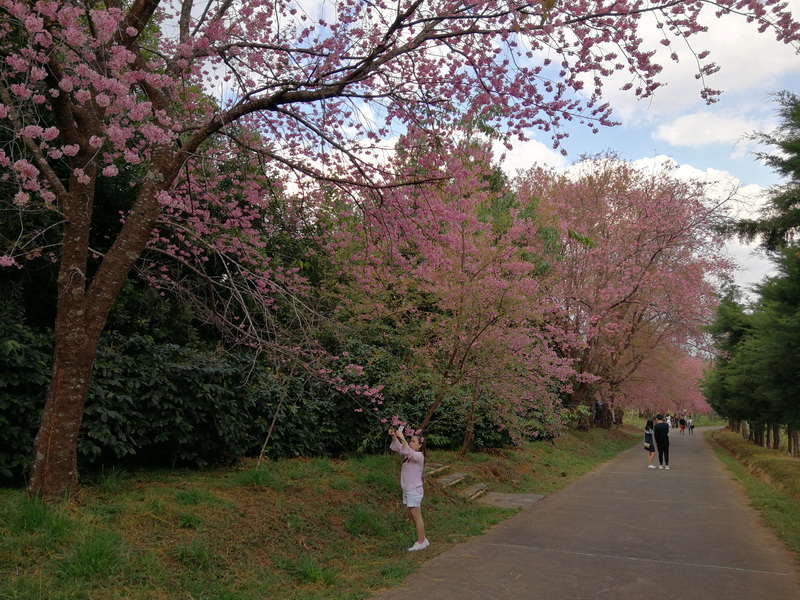
Girl taking a photo of pink flowering trees along a pathway in spring at Khun Wang Royal Project.

The Khun Wang Royal Project is a pioneering agricultural and environmental initiative located within Mae Wang District. Established as part of a royal effort to promote sustainable farming and improve local livelihoods, the project features terraced gardens, fruit orchards, and vegetable farms that utilize eco-friendly techniques. Visitors can explore the grounds, observe seasonal crops, and learn about the region’s agricultural diversity.

Beyond its agricultural significance, the project serves as an educational center promoting environmental stewardship. The peaceful gardens and well-maintained trails offer a serene setting for reflection after an active day of rafting. The project exemplifies how tourism can support conservation and community development simultaneously.

Pha Chor

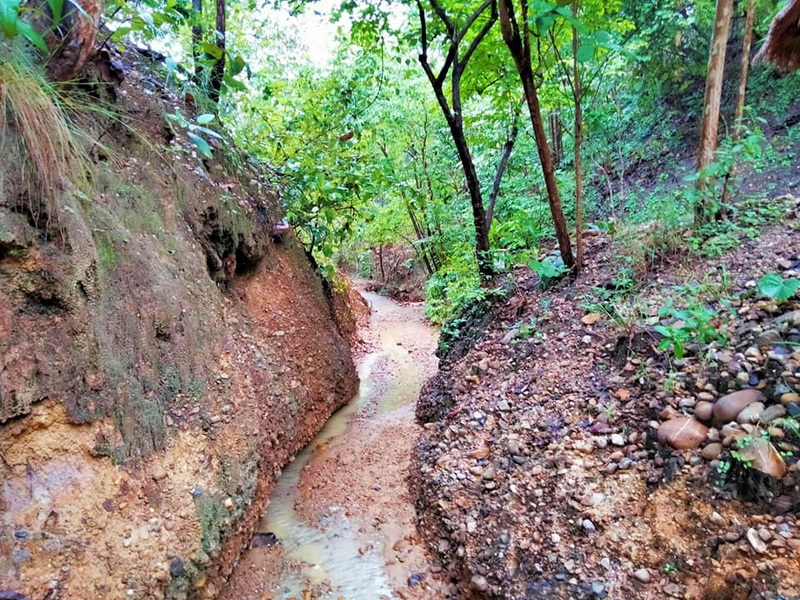
A narrow muddy trail lined with green trees and dense foliage at Pha Chor.

Pha Chor is a dramatic geological formation known for its towering cliffs and unique rock pillars sculpted by natural erosion over thousands of years. Situated close to Mae Wang, this natural attraction provides visitors with a striking visual contrast to the surrounding forested landscape. Walking trails allow guests to explore the area’s impressive features, with vantage points offering sweeping views of the valley below.

The site is a favorite for photographers and nature enthusiasts who appreciate its raw, unspoiled beauty. Pha Chor’s geological significance and scenic appeal make it a must-visit destination for those combining rafting adventures with local sightseeing in Chiang Mai.

Where the Experience Leads Next

Bamboo Rafting in Mae Wang offers a compelling adventure tourism experience that combines the thrill of river navigation with meaningful encounters with local culture and nature. This activity stands out not only for its action-packed moments but also for its commitment to ethical and sustainable tourism. By pairing rafting tours with visits to attractions like Khun Wang Royal Project and Pha Chor, travelers gain a well-rounded appreciation of Mae Wang District’s diverse offerings. For those eager to explore Chiang Mai beyond the usual paths, this blend of adventure and sightseeing promises lasting memories and a deeper connection to northern Thailand’s rich heritage.

Saturday, October 3, 2026

Famous Temples In Northern Thailand Wat Thaton And Regional Tours

Famous Temples In Northern Thailand Wat Thaton And Regional Tours

Discover the cultural prominence of Wat Thaton and its connection to popular Chiang Rai tour packages with nearby natural attractions enriching the experience

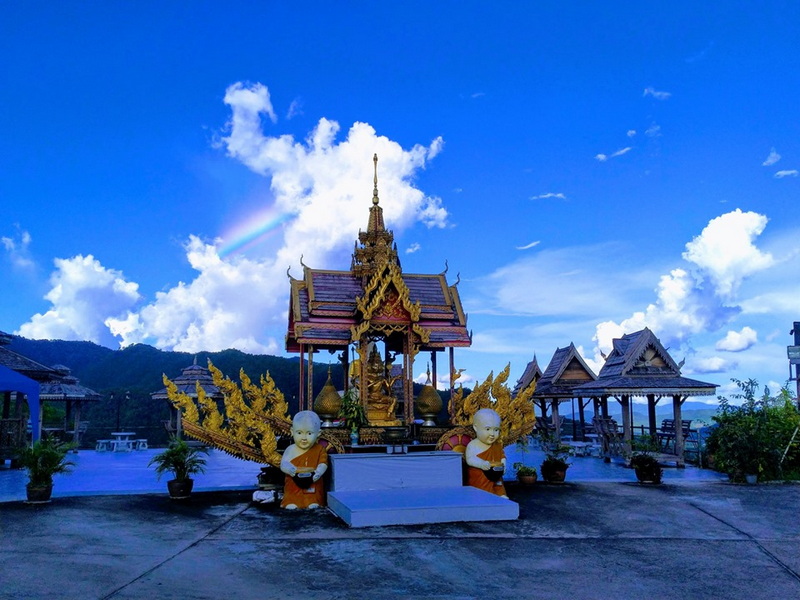
Small golden shrine with child statues and potted plants under blue sky at Wat Thaton.

Northern Thailand is renowned for its rich tapestry of historic temples, each telling stories of spirituality, culture, and artistic heritage. Among these revered sites, Wat Thaton stands out as one of the famous temples in Northern Thailand, attracting travelers who seek both cultural insight and serene surroundings. Located in the Tha Ton Subdistrict of Mae Ai District, Chiang Mai, this temple offers a unique blend of religious significance and picturesque landscapes that appeal to culture-focused travelers. Wat Thaton’s fame is not only rooted in its architectural and spiritual heritage but also in its role as a highlight within various Chiang Rai package tours from Chiang Mai. These tours often include visits to thaton temple, allowing visitors to explore the temple’s rich history alongside other regional attractions. The temple’s setting provides a tranquil escape from urban life, with nearby natural sites such as Fang Hot Spring and Doi Pha Hom Pok National Park complementing the cultural experience. This article delves into why Wat Thaton is celebrated among Northern temples, the general context of Chiang Rai package tours that incorporate it, and the surrounding natural attractions that enrich any visit. For travelers interested in the spiritual and cultural fabric of Northern Thailand, understanding Wat Thaton’s significance and its regional connections provides valuable insights for planning an informed and fulfilling trip.

Wat Thaton’s Cultural and Historical Significance

Wat Thaton, also known as Thaton Temple, is a prominent religious site that reflects the deep-rooted Buddhist traditions of Northern Thailand. Its origins trace back several centuries, marking it as an important monument within the region’s spiritual landscape. The temple features distinctive Lanna-style architecture characterized by intricate woodwork, multi-tiered roofs, and elaborately decorated stupas, which together showcase the craftsmanship and religious artistry of the area.

Visitors to Wat Thaton often find themselves immersed in a peaceful atmosphere where the temple’s serene setting beside the Kok River enhances its spiritual appeal. The temple complex includes several notable structures, such as the viharn (assembly hall), chedis (stupas), and ancient Buddha images, all contributing to its reputation as one of the must-visit temples in Northern Thailand. Local worshippers and monks maintain the site, preserving its cultural integrity and religious practices.

Beyond its physical beauty, Wat Thaton holds cultural importance as a center for Buddhist teachings and community gatherings. The temple’s role extends to hosting religious festivals and ceremonies that reflect the unique traditions of the region’s hill tribes and ethnic communities. This cultural richness elevates Wat Thaton’s status from a historic site to a living heritage destination that invites respectful observation and learning.

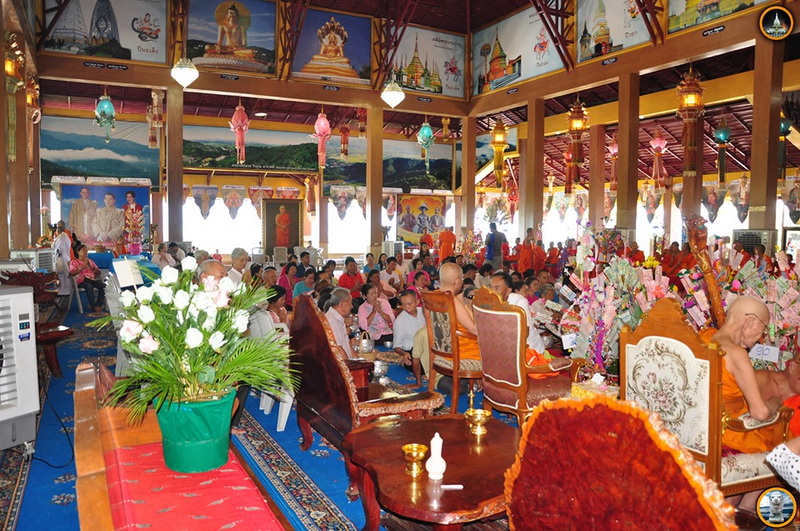
Indoor scene with monks, visitors, and colorful religious decorations and artwork at Wat Thaton.

Understanding Chiang Rai Package Tours From Chiang Mai

Chiang Rai package tours from Chiang Mai have become a popular choice for travelers seeking to explore Northern Thailand’s diverse attractions without the complexities of independent travel. These tours typically combine cultural landmarks, natural wonders, and local experiences into convenient itineraries that highlight the best of the region. Wat Thaton frequently features as a key stop on these routes due to its accessibility and cultural significance.

While specific tour details vary, the general concept of a Chiang Rai package tour from Chiang Mai involves a day trip or multi-day excursion covering major temples, scenic viewpoints, and traditional markets. Thaton Temple’s inclusion enriches the cultural dimension of these tours by offering visitors a chance to engage with a historic site that is less crowded than more famous temples but equally rich in heritage.

These package tours often emphasize regional flow, linking Wat Thaton with other notable destinations such as Chiang Rai’s White Temple and the Golden Triangle area. The tours provide a balanced itinerary that appeals to travelers interested in both cultural immersion and natural exploration, allowing for a comprehensive Northern Thailand experience.

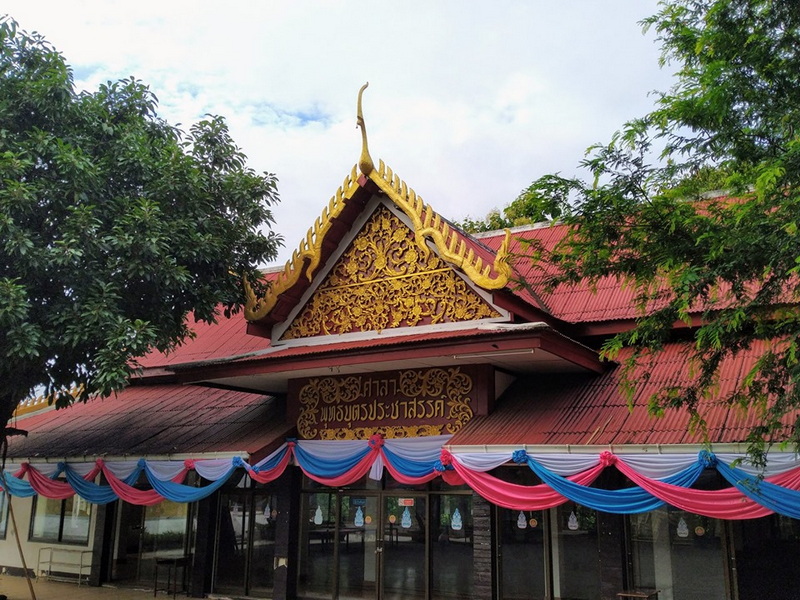
Temple with gold ornamentation, red roof, and festive banners amid green trees at Wat Thaton.

Nearby Attractions Enhancing the Wat Thaton Visit

The appeal of visiting Wat Thaton is further enhanced by its proximity to remarkable natural attractions that invite exploration beyond the temple grounds. Among these, Fang Hot Spring and Doi Pha Hom Pok National Park stand out as destinations that complement the cultural visit with natural beauty and outdoor activities.

Fang Hot Spring is renowned for its mineral-rich thermal waters, offering a relaxing retreat for travelers after a day of temple visits and sightseeing. The hot springs are set in a lush environment that encourages wellness and rejuvenation, making it a favored spot for both locals and tourists seeking natural healing experiences.

Doi Pha Hom Pok National Park, located nearby, encompasses some of Northern Thailand’s most dramatic landscapes, including mountain peaks, waterfalls, and diverse flora and fauna. The park’s extensive trails and scenic viewpoints provide opportunities for hiking and nature photography, appealing to visitors who appreciate ecological diversity alongside cultural heritage. Together, these nearby attractions create a well-rounded travel experience that highlights both the spiritual and natural riches of the region.

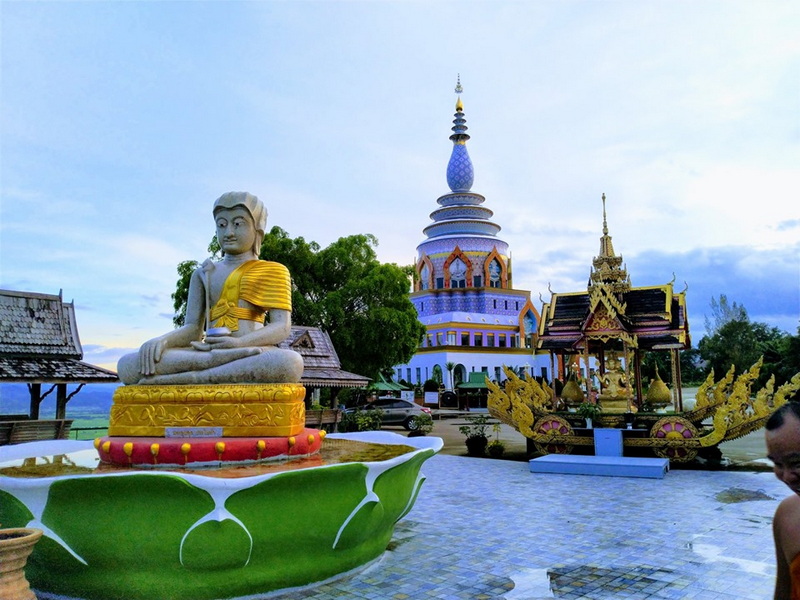
White Buddha statue with golden base in front of a blue temple spire and ornate structures at Wat Thaton.

Practical Tips for Visiting Wat Thaton and Surroundings

When planning a visit to Wat Thaton as part of a Chiang Rai package tour from Chiang Mai, it is helpful to consider practical aspects that enhance the overall experience. The temple is accessible by road, and many tour operators include transportation, making travel straightforward for visitors without private vehicles.

Respectful behavior is essential when visiting Wat Thaton, as it remains an active place of worship. Visitors should dress modestly, remove shoes before entering sacred buildings, and observe silence or quiet conversation to maintain the temple’s tranquil atmosphere. Photography is generally permitted, but it is courteous to avoid disrupting religious ceremonies or monks engaged in meditation.

Timing the visit to avoid peak hours can provide a more contemplative experience. Early mornings or late afternoons are often less crowded and offer softer natural light for appreciating the temple’s architectural details. Additionally, combining the temple visit with nearby Fang Hot Spring or Doi Pha Hom Pok National Park enriches the itinerary by balancing cultural exploration with relaxation or outdoor adventure.

Nearby Attractions

Fang Hot Spring

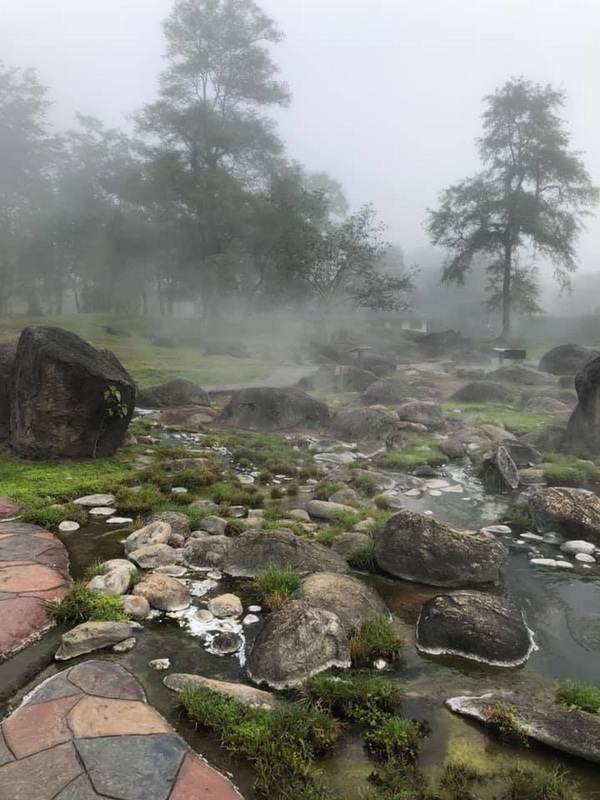
A misty, tranquil scene with a stream flowing over rocks and tall trees in the background at Fang Hot Spring.

Fang Hot Spring is a natural thermal spring located near Wat Thaton, known for its warm, mineral-rich waters that have therapeutic properties. The site is surrounded by lush greenery, providing a peaceful setting for visitors seeking relaxation and wellness experiences. Bathing in the hot springs is a traditional practice believed to aid in health and rejuvenation.

The area around Fang Hot Spring also features walking paths and picnic spots, making it an ideal place to unwind after exploring the cultural sights of Wat Thaton. The spring’s accessibility and natural charm attract both locals and tourists looking for a quiet retreat in Northern Thailand.

Doi Pha Hom Pok National Park

Panoramic view of lush green hills and distant mountains with clouds overhead at Doi Pha Hom Pok National Park.

Doi Pha Hom Pok National Park, located close to Wat Thaton, offers an impressive natural landscape characterized by mountainous terrain, waterfalls, and diverse ecosystems. The park is home to Thailand’s second highest peak, providing challenging hiking trails and breathtaking panoramic views that appeal to nature enthusiasts and adventure seekers.

Visitors to the park can explore various trails, observe rare plant species, and enjoy the cool climate at higher altitudes. The park’s natural beauty complements cultural visits to nearby temples, allowing travelers to experience the rich biodiversity and scenic wonders of Northern Thailand alongside its spiritual heritage.

Where the Experience Leads Next

Wat Thaton’s status as one of the famous temples in Northern Thailand is well earned through its cultural depth, architectural beauty, and ongoing spiritual significance. When viewed within the broader context of Chiang Rai package tours from Chiang Mai, the temple serves as a meaningful cultural anchor that enriches regional travel experiences. The nearby natural attractions of Fang Hot Spring and Doi Pha Hom Pok National Park further enhance the appeal by offering complementary opportunities for relaxation and outdoor exploration. Together, these elements create a harmonious itinerary that satisfies the curiosity and interests of culture-focused travelers, inviting them to discover the intertwined heritage and natural beauty of Northern Thailand.

Friday, October 2, 2026

Traditional Lanna Dinner Tours and Tourist Attractions in Chiang Mai Featuring Old Chiangmai Cultural Center

Traditional Lanna Dinner Tours and Tourist Attractions in Chiang Mai Featuring Old Chiangmai Cultural Center

Experience authentic Khantoke dinners and explore vibrant local markets in Chiang Mai’s Muang District

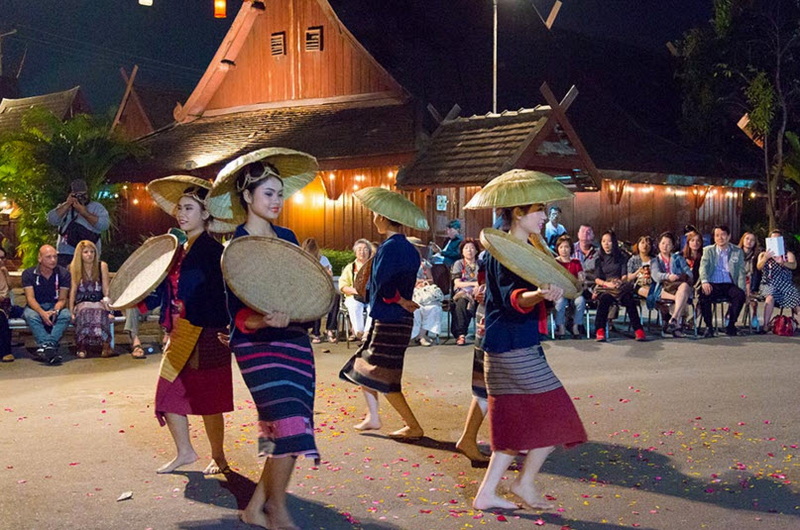
Women in traditional dress performing a dance at night with an audience watching at Old Chiangmai Cultural Center.

Chiang Mai’s rich cultural heritage is beautifully preserved and celebrated through its traditional dining experiences, particularly the Khantoke dinner. This unique form of communal dining offers visitors a chance to immerse themselves in the culinary and artistic traditions of the Lanna Kingdom. Centered in the Muang District, the Old Chiangmai Cultural Center stands as a distinguished venue where travelers can partake in the Old Chiangmai Khantoke, also known as the Original Khantoke Dinner in Chiang Mai. Beyond the exquisite flavors and cultural performances, the area surrounding the cultural center is filled with vibrant local attractions. Visitors can enhance their experience by exploring bustling markets like Warorot Market and the lively Saturday Night Market Chiang Mai. This blend of traditional dining and local sightseeing creates a memorable journey into the heart of Northern Thailand’s living heritage. This article offers a detailed look at the Khantoke dinner Chiang Mai tradition, the traditional Lanna dinner tours available at the Old Chiangmai Cultural Center, and nearby tourist attractions that complement this immersive cultural experience. Whether you are a culture-focused traveler or a first-time visitor seeking authentic local flavors and sights, this guide provides an insightful overview of what to expect and appreciate.

Understanding the Khantoke Dinner Chiang Mai Tradition

The Khantoke dinner is more than just a meal; it is a cultural ceremony rooted deeply in the Lanna heritage of Northern Thailand. Traditionally, a 'khantoke' refers to a low, circular wooden table used to serve food during communal gatherings. This style of dining encourages sharing and connection, reflecting the values of hospitality and community intrinsic to Lanna culture. Travelers researching Chiang Mai Tourist Attractions can use these details when planning the trip.

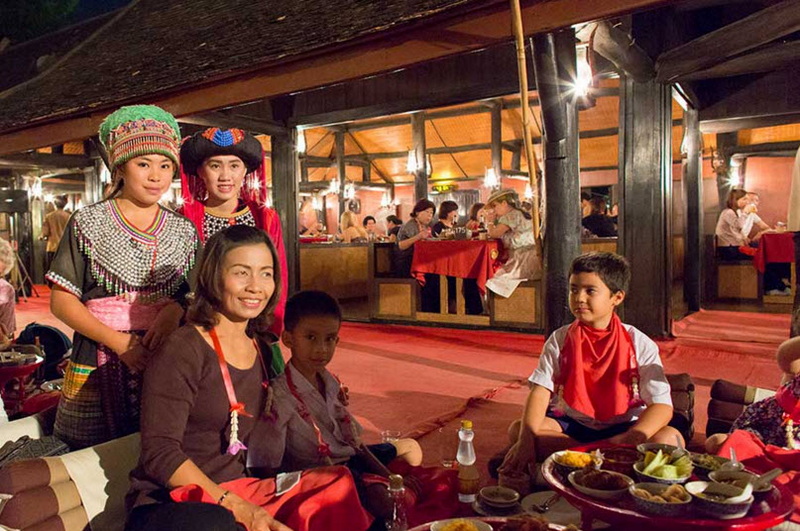
Children and woman enjoying a meal inside a traditional Thai restaurant with wooden decor at Khantoke Dinner.

At the Old Chiangmai Cultural Center, the Khantoke dinner Chiang Mai experience is presented with respect and authenticity. Guests are invited to sit on the floor around the khantoke tables and enjoy a variety of Northern Thai dishes served in small portions, allowing them to savor multiple flavors and textures. The meal typically includes sticky rice, grilled meats, spicy dips, and seasonal vegetables, all prepared using traditional recipes passed down through generations.

Accompanying the meal is a traditional Lanna cultural show featuring classical dance and music. Performers dressed in intricate costumes narrate stories from local folklore, providing a dignified and immersive insight into the region’s history and artistic expression. This respectful presentation avoids exoticizing the culture, instead honoring its living traditions and significance.

Exploring Traditional Lanna Dinner Tours in Chiang Mai

Traditional Lanna dinner tours offer visitors a chance to experience the full spectrum of Northern Thai culture through food and performance. The Old Chiangmai Cultural Center Khantoke dinner is a prime example of such a tour, where dining is combined with storytelling and cultural education.

These tours often begin with a warm welcome and an introduction to the Lanna way of life, highlighting the importance of the khantoke dining style. Guests learn about the origins of the dishes and the etiquette involved in the meal. The tours emphasize cultural sensitivity, encouraging visitors to appreciate the traditions without interrupting or altering the authenticity of the experience.

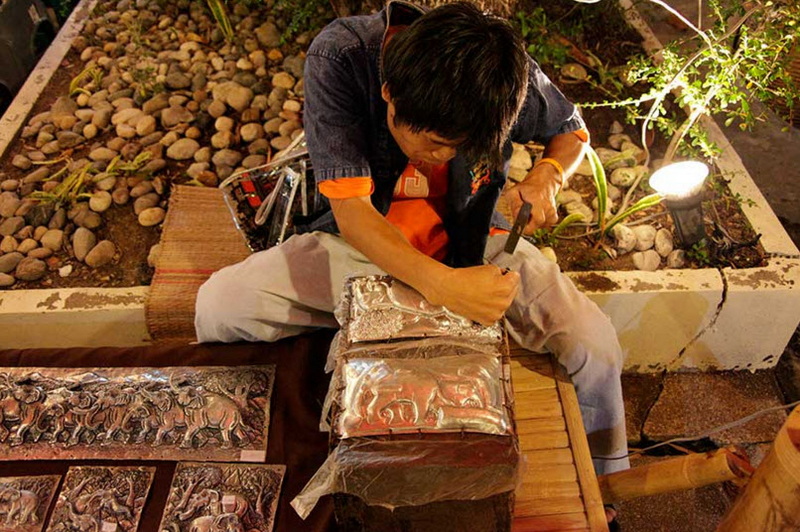
Person working on metal piece with tools surrounded by plants and rocks at Old Chiangmai Cultural Center.

The atmosphere at the Old Chiangmai Cultural Center is carefully curated to enhance the traditional ambiance. The architecture, decor, and even the seating arrangements reflect Northern Thai aesthetics, making the dinner an immersive journey into the past. This setting allows tourists not only to taste authentic cuisine but also to connect with the cultural roots of Chiang Mai in a meaningful way.

Chiang Mai Tourist Attractions Near the Old Chiangmai Cultural Center

Beyond the dining experience, the Muang District in Chiang Mai offers numerous attractions that enrich the visitor’s cultural understanding. Two prominent nearby locations are Warorot Market and the Saturday Night Market Chiang Mai, each providing a unique glimpse into local life.

Warorot Market is a bustling hub where locals shop for fresh produce, traditional herbs, handicrafts, and clothing. It is a community center that reflects the daily rhythms of Chiang Mai’s residents and offers an authentic market experience away from tourist crowds. Visitors can observe traditional trade practices and sample local snacks, making it a perfect complement to the Khantoke dinner’s cultural immersion.

The Saturday Night Market Chiang Mai is a vibrant evening attraction featuring a wide array of stalls selling souvenirs, street food, and handmade goods. The lively atmosphere is enhanced by street performances and local musicians, creating a festive environment that celebrates Chiang Mai’s artistic spirit. This market offers tourists the opportunity to continue their cultural exploration after the traditional dinner, experiencing the city’s dynamic nightlife and artisan crafts.

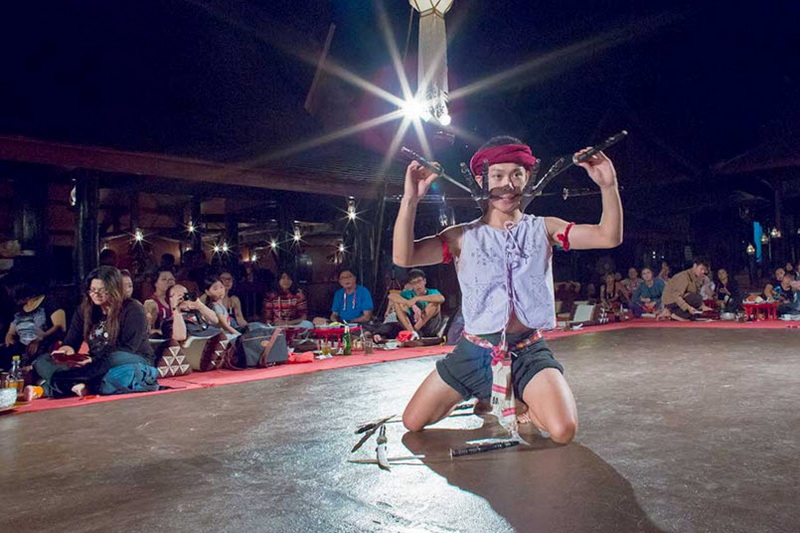
Performer dressed in traditional costume with staff kneeling on stage in front of seated audience at Old Chiangmai Cultural Center.

Connecting Dining and Sightseeing: A Complete Cultural Experience

Combining the traditional Lanna dinner tours with visits to local markets provides a holistic approach to understanding Chiang Mai’s cultural landscape. The Old Chiangmai Cultural Center serves as a gateway to this experience, anchoring visitors in a location steeped in heritage while offering access to nearby attractions that highlight everyday life in the city.

This connection between dining and sightseeing enriches the traveler’s appreciation of Northern Thai culture by showing both ceremonial and practical dimensions. While the Khantoke dinner presents the region’s artistic and culinary traditions in a formal setting, excursions to Warorot Market and the Saturday Night Market reveal the living, evolving culture of Chiang Mai’s people.

Travelers who engage with both aspects often leave with a deeper respect and curiosity for the Lanna heritage. They gain insight into how historical traditions continue to influence contemporary life and how local communities maintain their identity through food, art, and commerce.

Nearby Attractions

Warorot Market

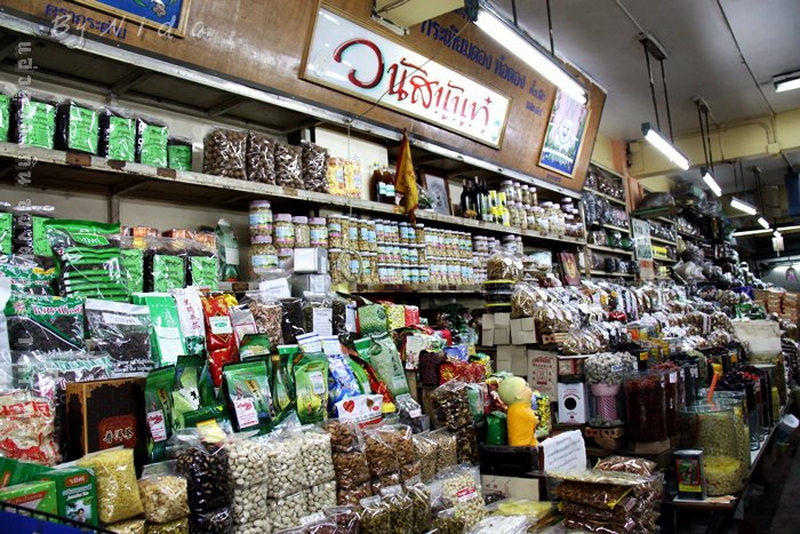
A market stall with an assortment of packaged dried foods and snacks displayed on shelves at Warorot Market.

Warorot Market is one of Chiang Mai’s oldest and most vibrant local markets, located conveniently near the Old Chiangmai Cultural Center. It serves as a vital commercial and social hub where locals gather to buy and sell fresh produce, traditional ingredients, textiles, and everyday necessities.

Visitors to Warorot Market can immerse themselves in the authentic atmosphere of Northern Thailand’s daily life. The market’s narrow aisles are filled with colorful displays of fruits, vegetables, spices, and handmade crafts. It is an excellent place to observe local customs and sample regional specialties such as northern Thai sweets and savory snacks.

The market also offers opportunities to purchase unique souvenirs like traditional hill tribe textiles and silver jewelry, supporting local artisans and preserving cultural crafts. Exploring Warorot Market before or after attending a Khantoke dinner provides a well-rounded cultural experience that connects the ceremonial with the everyday.

Saturday Night Market Chiang Mai

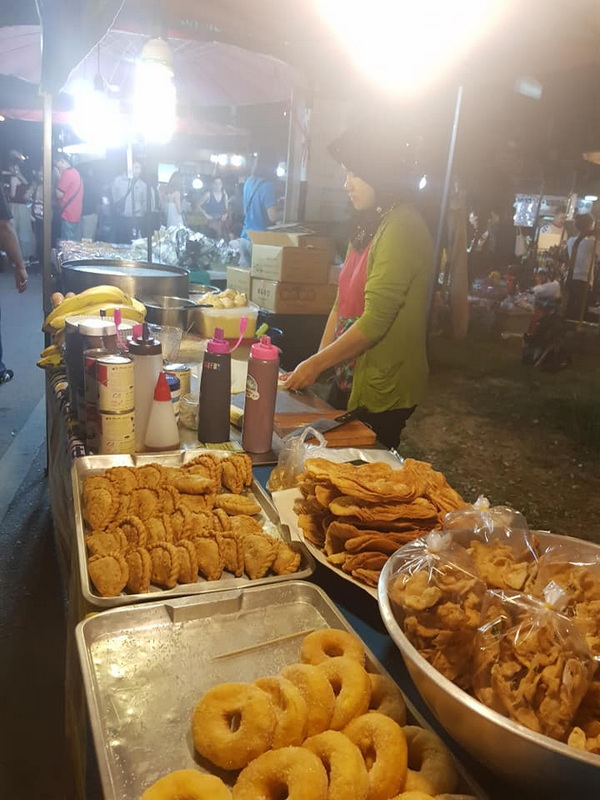
Woman preparing fried food at a night market stall with various snacks on display at Saturday Night Market Chiang Mai.

The Saturday Night Market Chiang Mai is a lively and popular destination for both locals and tourists. Held in the heart of the city, this market transforms the streets into a bustling showcase of local crafts, street food, and entertainment.

As evening falls, visitors can stroll through rows of stalls offering handmade clothing, artwork, and souvenirs that reflect the rich cultural heritage of the region. The market’s vibrant energy is enhanced by traditional music and dance performances, creating an engaging environment that complements the cultural themes introduced at the Old Chiangmai Cultural Center.

For travelers who have enjoyed a Traditional Lanna Dinner Tour Chiang Mai, the Saturday Night Market offers an opportunity to extend their cultural immersion. Sampling street food, browsing artisan goods, and enjoying live performances provide a dynamic contrast to the formal Khantoke dinner, illustrating the diverse ways Lanna culture thrives today.

Where the Experience Leads Next

Experiencing the Old Chiangmai Cultural Center Khantoke dinner alongside visits to Warorot Market and the Saturday Night Market Chiang Mai offers a rich and respectful way to engage with Northern Thailand’s Lanna heritage. These interconnected experiences allow travelers to appreciate both the ceremonial beauty of traditional dining and the vibrant, everyday culture of Chiang Mai’s local communities. For those seeking a meaningful journey that blends taste, art, and local life, this combination provides a memorable and immersive cultural adventure.

Thursday, October 1, 2026

Coffee Farm Tour Chiang Mai Offers Local Tours and Budget Travel Experiences

Coffee Farm Tour Chiang Mai Offers Local Tours and Budget Travel Experiences

Explore authentic local tours and budget-friendly travel options in Doi Saket District near Pang Hai Villag Chiang Mai

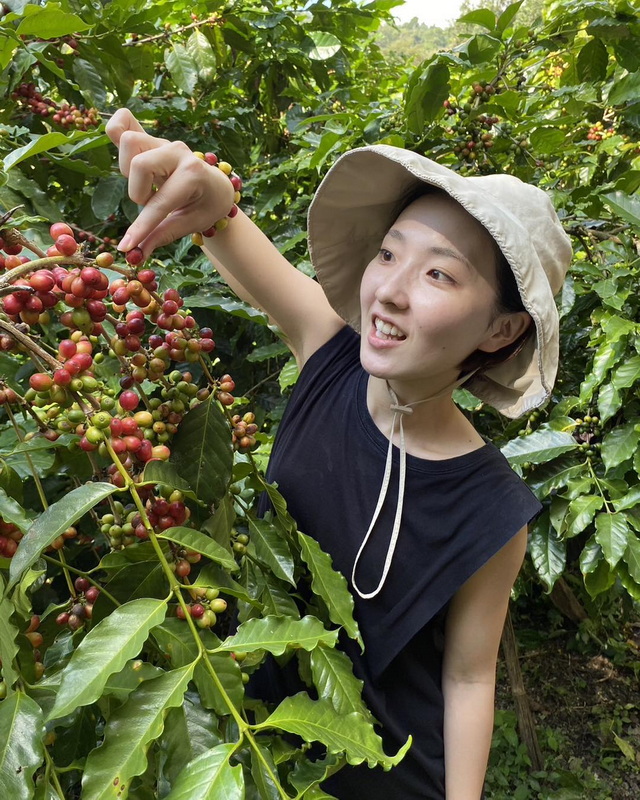
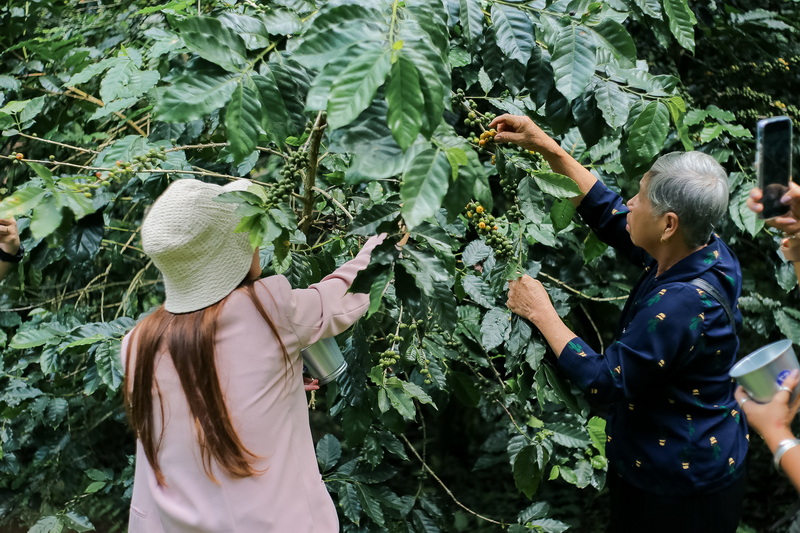
Woman harvesting ripe coffee cherries on a lush coffee farm at Coffee Farm Tour Chiang Mai.

Chiang Mai’s scenic Doi Saket District offers travelers a unique opportunity to immerse themselves in authentic local tours centered around coffee farming traditions. The Coffee Farm Tour Chiang Mai provides visitors with an engaging experience that combines cultural insight with the natural beauty of the region. Nestled near the quaint Pang Hai Villag Chiang Mai, this tour is a great choice for travelers seeking meaningful local tours in Chiang Mai that respect the community’s heritage and environment. For budget-conscious travelers, the Coffee Farm Tour Chiang Mai stands out as an accessible and enriching option. It highlights sustainable tourism practices while allowing visitors to learn about coffee cultivation firsthand without overspending. This blend of local engagement and budget travel makes it a compelling itinerary addition for those wanting to explore beyond the usual tourist paths. Beyond the farm itself, the surrounding area features complementary attractions that add value to any travel plan. Nearby Mae Kampong Village and Kingkong Smile Zipline offer diverse experiences ranging from cultural immersion to adventurous outdoor fun, all within a reasonable distance. Together, these destinations create a well-rounded, affordable travel experience in Northern Thailand.

Immersive Local Tours in the Heart of Pang Hai Villag Chiang Mai

The Coffee Farm Tour Chiang Mai invites travelers to explore the intricate process of coffee production in a setting steeped in local tradition. Situated near Pang Hai Villag Chiang Mai, the tour offers a window into the daily lives of coffee farmers who have cultivated the region’s fertile lands for generations. Visitors can walk through coffee plantations, observe harvesting methods, and gain an understanding of the environmental conditions that make this area ideal for coffee growing.

This local tour experience emphasizes respect for the community and environment. Guides often share stories about how coffee farming has shaped the village’s culture and economy, providing a narrative that goes beyond simple agricultural facts. Travelers get a chance to taste fresh coffee brewed from beans grown on site, offering a sensory connection to the land and its people.

The tour’s setting in Pang Hai Villag Chiang Mai ensures an authentic atmosphere that avoids tourist spectacle. Instead, visitors encounter a living culture that values sustainable practices and ethical tourism. This approach allows travelers to appreciate the region’s unique heritage while supporting local livelihoods.

Two women pick coffee cherries from a coffee plant in a lush farm setting at Coffee Farm Tour Chiang Mai.

Navigating Budget Tours in Chiang Mai Without Compromising Experience

Budget Tours in Chiang Mai are thoughtfully designed to provide meaningful travel experiences without excessive costs. The Coffee Farm Tour Chiang Mai is a prime example of how local tours can be both affordable and enriching. By focusing on community-based tourism and minimizing unnecessary commercial elements, travelers can enjoy authentic encounters at a reasonable price point.

To make the most of budget tours, travelers are encouraged to plan visits during off-peak seasons or join small group tours that reduce individual costs. Many local tour providers in Chiang Mai offer flexible options that cater to budget-conscious visitors while maintaining quality and ethical standards.

Additionally, combining the Coffee Farm Tour with nearby attractions can stretch travel budgets further. Opting for local transportation and simple accommodations in the area helps keep expenses down without sacrificing comfort or access to cultural experiences. This strategy allows visitors to engage deeply with the region while managing travel costs effectively.

Cultural Sensitivity and Ethical Travel on Coffee Farm Tours

Travelers exploring Coffee Farm Tour Chiang Mai should approach the experience with cultural sensitivity and respect for local customs. The tours are structured to avoid exoticizing or commodifying village life, focusing instead on genuine interaction and ethical visitor behavior.

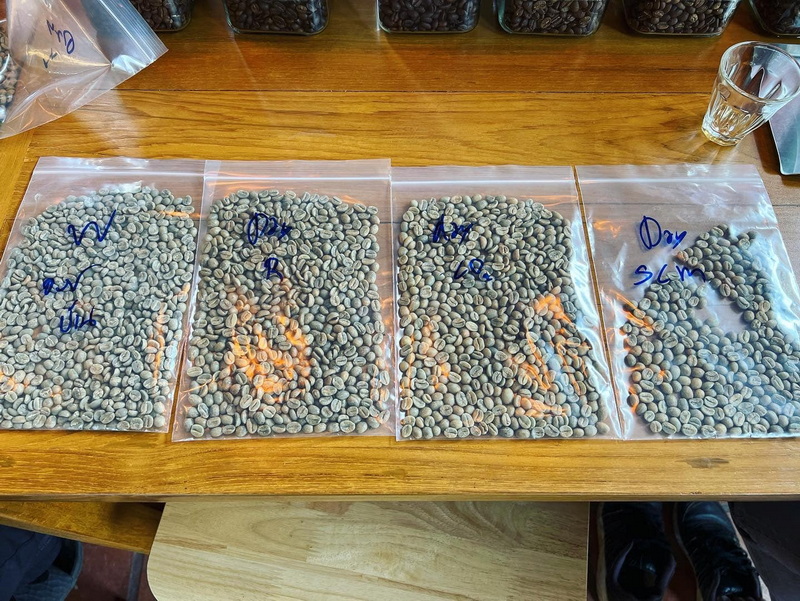
Plastic bags of green coffee beans labeled with days on a wooden table, with roasted beans nearby at Coffee Farm Tour Chiang Mai.

Respecting community boundaries and traditions is paramount. Visitors are encouraged to listen attentively, ask thoughtful questions, and support local initiatives that benefit the village. This mindful approach enhances the travel experience and fosters positive relationships between guests and hosts.

Such tours also highlight the importance of sustainable tourism, encouraging visitors to consider the environmental impact of their visit. By supporting local coffee farmers and their practices, travelers contribute to the preservation of both culture and nature in Doi Saket District. This balance is essential for maintaining the authenticity and vitality of the region’s tourism offerings.

Planning Your Visit to the Coffee Farm Tour Chiang Mai and Surroundings

When planning a visit to the Coffee Farm Tour Chiang Mai, it is helpful to include nearby attractions that complement the local tour experience. The proximity of Mae Kampong Village and Kingkong Smile Zipline makes it easy to create a diverse itinerary that blends cultural exploration with outdoor adventure.

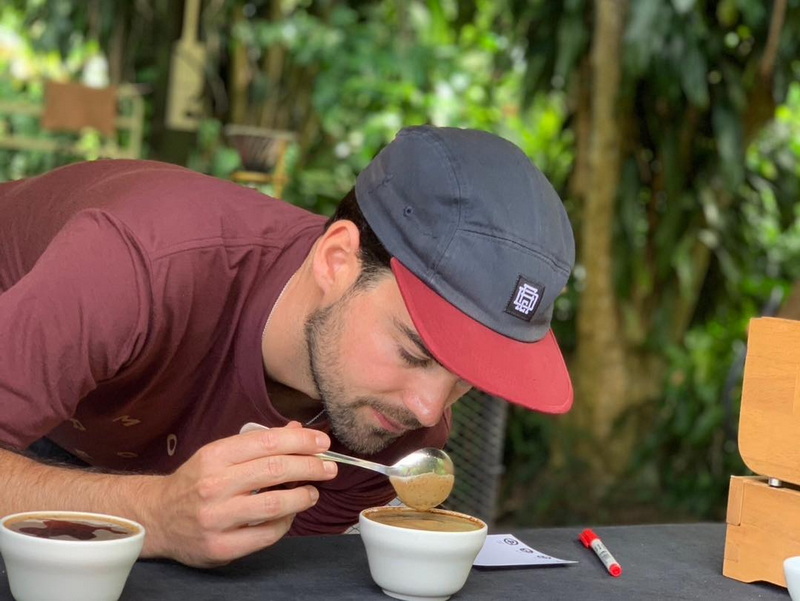
Man tasting coffee outdoors with lush green trees and foliage in background at Coffee Farm Tour Chiang Mai.

Mae Kampong Village is noted for its tranquil atmosphere and traditional lifestyle, offering additional insight into Northern Thai rural life. A visit here can enrich the understanding of the region’s cultural fabric and provide opportunities for hill tribe crafts and local cuisine sampling.

Kingkong Smile Zipline adds an exciting dimension to the trip, appealing to those looking for an adrenaline boost after cultural immersion. It offers a safe and exhilarating way to experience the area’s natural beauty from above, making it a popular choice among visitors seeking variety during their stay.

Combining these attractions with the coffee farm tour allows travelers to maximize their time in Doi Saket District while adhering to budget travel principles. Thoughtful planning ensures a well-rounded, memorable trip that respects local communities and natural surroundings.

Nearby Attractions

Mae Kampong Village

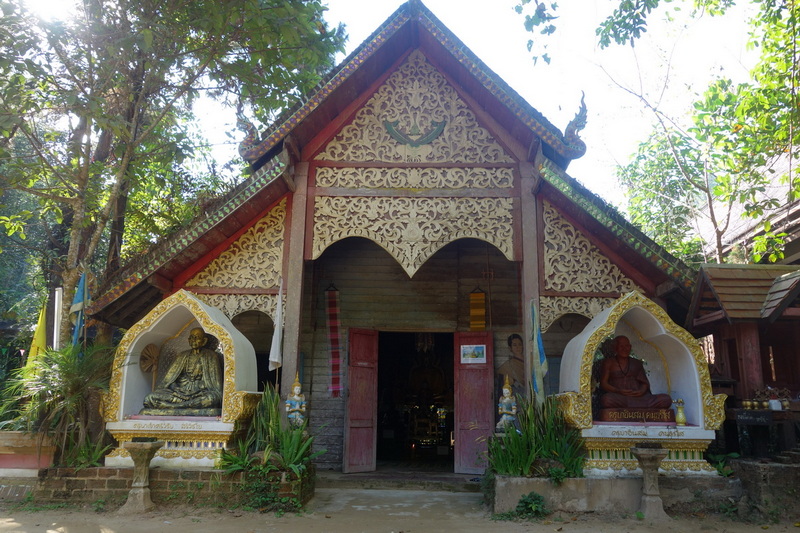
Traditional Thai temple with intricate wood carvings and statues outside at Mae Kampong Village.

Mae Kampong Village is a charming mountain village located near the Coffee Farm Tour Chiang Mai. Known for its peaceful environment and traditional way of life, it offers visitors a chance to experience Northern Thai culture in an intimate setting. The village is surrounded by lush forests and tea plantations, making it ideal for nature walks and cultural exploration.

Visitors to Mae Kampong can engage with local artisans, sample homemade foods, and learn about sustainable living practices that have been preserved for generations. Its proximity to Doi Saket District makes it a convenient addition to any itinerary focused on local tours in Chiang Mai.

The village’s emphasis on eco-tourism aligns well with budget-conscious travelers who seek authentic experiences without heavy commercial influence. Mae Kampong Village provides a quiet retreat that complements the educational and sensory experiences found in the Coffee Farm Tour Chiang Mai.

Kingkong Smile Zipline

Visitors with helmets explore a tree platform in a lush forest setting at Kingkong Smile Zipline.

Kingkong Smile Zipline is a popular adventure attraction near the coffee farms of Doi Saket District. It offers visitors an exciting way to experience the region’s natural landscape from a unique vantage point high above the treetops. The zipline courses are designed with safety and accessibility in mind, appealing to a wide range of travelers.

This attraction provides a thrilling contrast to the more relaxed pace of local tours, making it an excellent complement for visitors who want to balance cultural immersion with outdoor adventure. The lush forest setting adds to the appeal, providing stunning views and a memorable experience.

For budget travelers, Kingkong Smile Zipline offers good value as part of a combined itinerary with the Coffee Farm Tour Chiang Mai. It enhances the diversity of activities available in the area, encouraging longer stays and deeper engagement with the natural and cultural environment.

Where the Experience Leads Next

The Coffee Farm Tour Chiang Mai presents a wonderful opportunity for travelers to connect with local culture while managing their travel expenses thoughtfully. By focusing on authentic local tours in Pang Hai Villag Chiang Mai and integrating nearby attractions like Mae Kampong Village and Kingkong Smile Zipline, visitors can craft a meaningful and affordable itinerary. This approach not only enriches the travel experience but also supports sustainable tourism practices that benefit the community and environment. For those seeking a genuine glimpse of Northern Thailand’s coffee heritage and natural beauty, this tour offers an ideal balance of cultural insight and budget-conscious travel.

Guide to Attractions in Lamphun Featuring Phra Buddha Bhat Phra That In Kwaen Lamphun

Guide to Attractions in Lamphun Featuring Phra Buddha Bhat Phra That In Kwaen Lamphun Explore Lamphun’s cultural heritage with a focus on ...