Exploring Tha Pai Hot Spring in Mae Hong Son Province and Loop Tours
A calm regional journey through warm mineral water, mountain roads, and the wider landscapes of northern Thailand
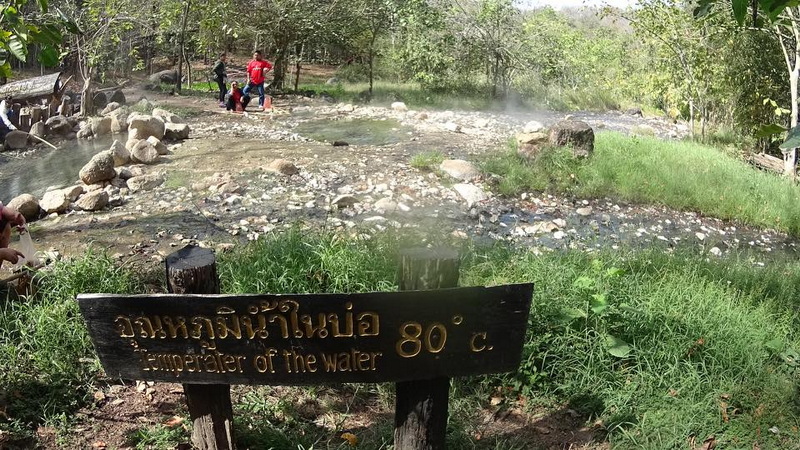
Tha Pai Hot Spring sits in a green forested setting near Pai, within Mae Hong Son Province in northern Thailand. The attraction is more than an isolated bathing stop: it is part of a broader landscape where valleys, wooded hills, village communities, and winding roads connect the Pai area with the provincial capital and other places along the Mae Hong Son route. Its natural pools and steaming water offer a quiet way to notice the region’s volcanic and geothermal character without separating nature from the communities and journeys around it. For travelers approaching from Chiang Mai, the hot spring commonly fits into a multi-day route rather than a rushed single attraction visit. A Mae Hong Son Loop Tour From Chiang Mai may use Pai as an early regional stop before continuing through mountain scenery toward Mae Hong Son town and other destinations. This makes the spring useful as a point of orientation: it introduces the climate, vegetation, and slower rhythm of the highlands while leaving time to understand how each destination belongs to the same larger province. This regional perspective is especially helpful for visitors comparing a short Pai visit with a longer circuit. The hot spring can be considered alongside temple viewpoints and dramatic canyon landscapes, with each place revealing a different part of northern Thailand’s geography.
A Geothermal Corner of Mae Hong Son Province
Tha Pai Hot Spring is located in the Pai District, where the landscape is shaped by forested mountains and a broad valley around the Pai River. The spring’s warm water emerges from the ground naturally, creating steam and mineral-rich pools within a protected woodland environment. Temperatures can vary between different parts of a geothermal area, so visitors should follow local signs and use only designated pools or bathing areas. The hottest water is not necessarily suitable for direct bathing, and observing the natural source is part of the experience.
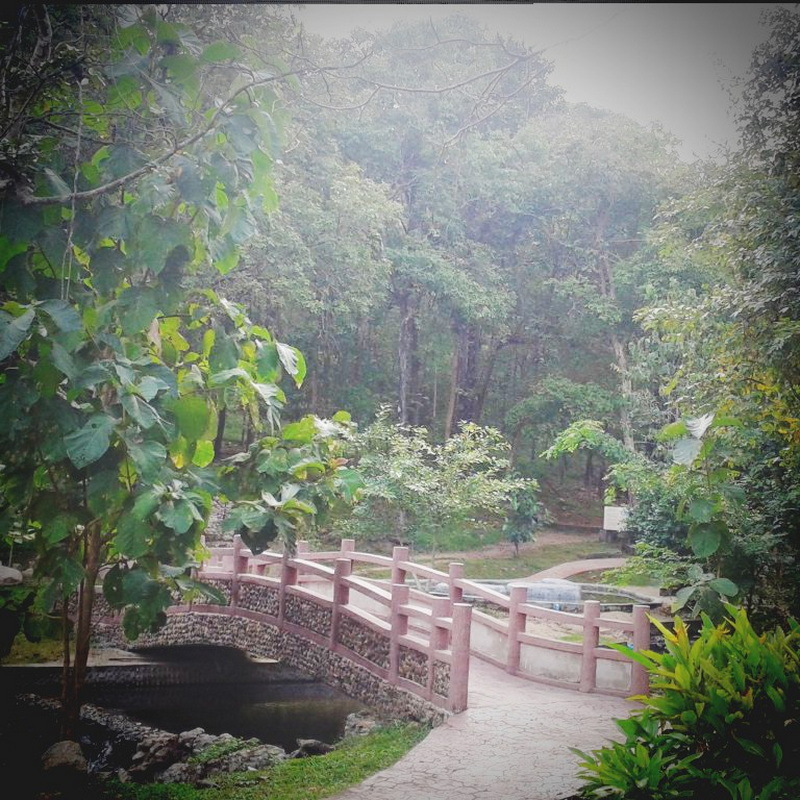
The setting gives the attraction a distinct regional meaning. Mae Hong Son Province is known for long mountain roads, layered ridgelines, and settlements separated by substantial distances. In this context, the spring provides a close view of an underground natural process while the surrounding trees soften the scene. The contrast between hot water, cool forest shade, and distant hills makes the visit feel connected to the terrain rather than designed as a standalone urban facility.
The name Pong Nam Ron Thapai is also encountered in travel references and local context. Visitors searching for Thapai Hot Spring may find several spellings, including Pong Nam Ron Tha Pai. These names point to the same general geothermal attraction near Pai, but current local signage and site guidance should take priority when navigating the area.
How the Hot Spring Fits a Chiang Mai Loop
A Mae Hong Son Loop Tour From Chiang Mai usually follows a route through changing elevations rather than a straight corridor. Pai is often treated as one of the first major stops when traveling northwest from Chiang Mai, while the road onward leads through more mountainous parts of the province. Depending on the itinerary, travelers may continue toward Mae Hong Son town and later return by another road, creating a circuit that links landscapes instead of simply retracing the same journey.
Within that pattern, Tha Pai Hot Spring works well as a regional stop during a morning or afternoon devoted to the Pai area. It can help break up road travel and provide a natural counterpoint to viewpoints, temples, and canyon scenery. A longer circuit gives travelers more time to appreciate the gradual changes in vegetation and settlement as the road climbs and descends. It also avoids treating the province as a collection of disconnected photo stops.
Tour formats vary. Some organized routes combine Chiang Mai, Pai, and Mae Hong Son over several days, while independent travelers may arrange transport in stages or drive the loop at their own pace. Exact road conditions, weather, and travel times can influence the order of stops, particularly during the rainy season. The practical lesson is to view the hot spring as one component of a flexible regional itinerary, not as a guaranteed quick excursion from every point on the loop.
Reading the Landscape at the Spring
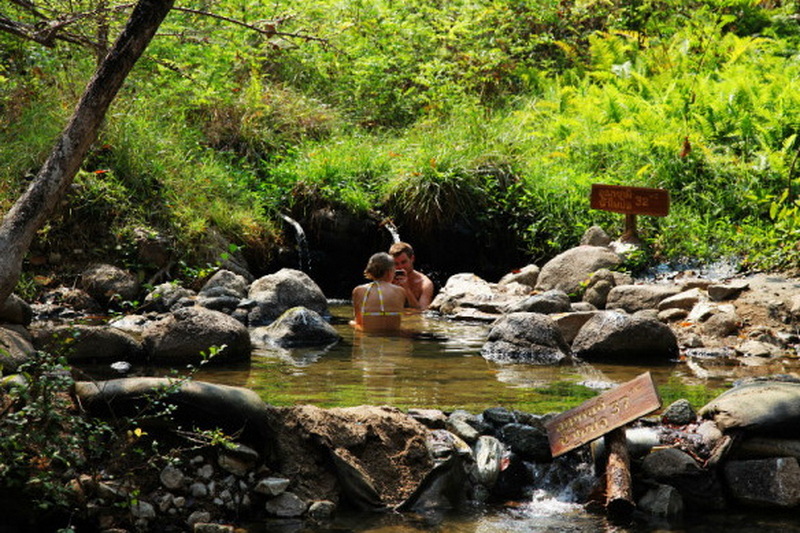
The main attraction at Tha Pai Hot Spring is the visible relationship between water and earth. Steam rising through forest air makes the geothermal activity easy to understand, while mineral deposits and warm channels show how water moves through the ground. The atmosphere can change during the day: early hours may feel cooler around the trees, while midday warmth can make the steaming water appear less inviting. Quiet observation is often more rewarding than trying to cover the site quickly.
A responsible visit begins with respecting the boundaries between natural and developed areas. Stay on marked paths where they exist, avoid touching or entering water that is designated as too hot, and do not remove stones, plants, or mineral formations. Keeping food packaging and other waste out of the forest is especially important because the spring lies within a natural setting. Visitors should also consider that sound carries through wooded spaces, so a calm approach benefits both wildlife and other people.
A Tha Pai Hot Spring Travel Guide is most useful when it explains these distinctions rather than promising a uniform bathing experience. Conditions can change, and not every pool is intended for swimming. Comfortable walking shoes, sun protection, drinking water, and a light layer for the mountain climate are sensible additions to a day exploring the Pai area. Modest behavior around shared bathing spaces also helps preserve the atmosphere of the site.
Building a More Thoughtful Provincial Route
Travelers planning a visit can use the hot spring as a geographic anchor. Pai provides a base for understanding the northern part of the province, while the roads beyond it open toward a wider Mae Hong Son journey. A short itinerary might pair the spring with one nearby landscape or cultural site, whereas a longer route can allow additional time for villages, scenic pauses, and the changing character of the mountain roads. The best sequence depends on transport, weather, and the amount of time available.
The journey also benefits from realistic expectations about distance. On a map, destinations in Mae Hong Son Province may appear close, but winding roads and steep terrain can make travel slower than the measured distance suggests. Travelers prone to motion sickness may wish to prepare before mountain drives. Allowing extra time is useful not only for comfort but also for unexpected road conditions and respectful pauses in communities along the route.
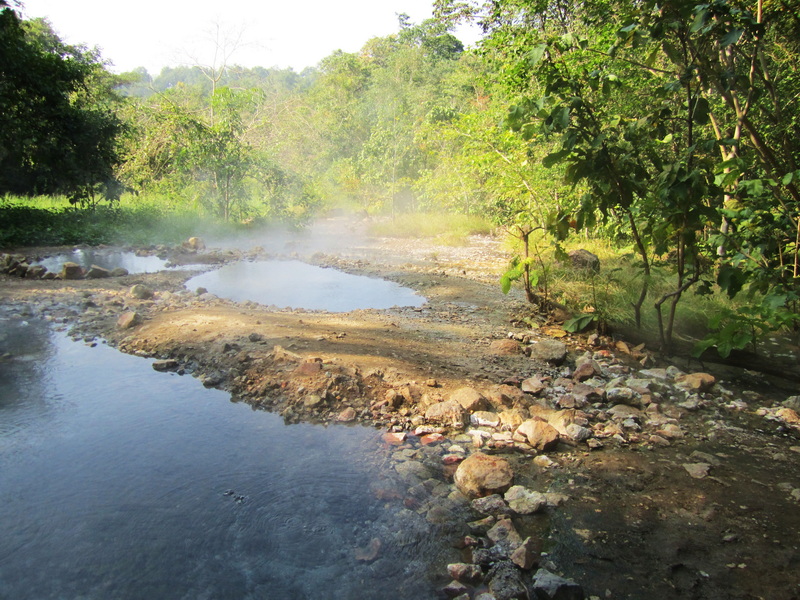
For someone deciding whether to Visit Tha Pai Hot Spring as part of a wider tour, the central question is what kind of regional experience they want. The spring suits travelers interested in forests and natural processes, while nearby viewpoints and temples add cultural and geological contrasts. Together, these stops show why the Mae Hong Son route is best understood as a gradual passage through landscapes, rather than a checklist of isolated attractions.
A Calm Way to Understand the Pai Area
The appeal of Tha Pai Hot Spring lies in its scale and setting. It does not need to compete with the province’s largest viewpoints or most dramatic roads. Instead, it offers a slower pause in which visitors can hear flowing water, see steam against the forest, and consider the geothermal forces beneath an otherwise quiet landscape. This makes it particularly suitable for nature lovers who prefer a measured visit over a tightly packed schedule.
A respectful visitor also recognizes that Pai is a living district, not only a scenic destination. Local residents, park workers, drivers, and small businesses all form part of the travel environment. Following posted rules, using designated facilities, and avoiding intrusive photography support a more considerate relationship with the place. These simple habits matter in a region where tourism and everyday life share the same roads and natural spaces.
For travelers looking for a Mae Hong Son Province experience with both natural depth and regional connections, the spring provides a clear starting point. It introduces the area through water and forest, then encourages a wider look at the mountain routes linking Pai with the rest of the province.
Nearby Attractions
Wat Phra That Mae Yen
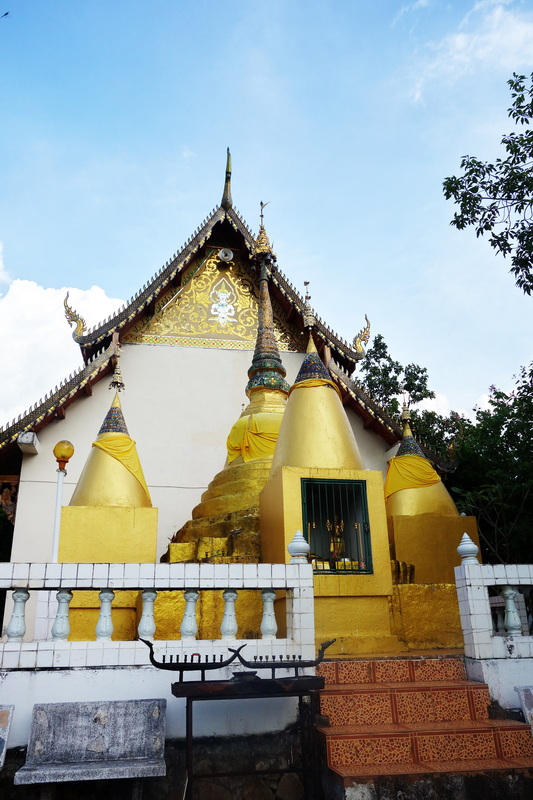
Wat Phra That Mae Yen stands on a hill above Pai and offers a different view of the district from the forested setting of the spring. The temple is associated with a prominent white Buddha image and a broad outlook across the valley. Visitors should approach the religious site with suitable clothing and quiet behavior, especially around worshippers. Seen together with the hot spring, the temple adds a cultural and elevated perspective to a day in the Pai area.
Pai Canyon
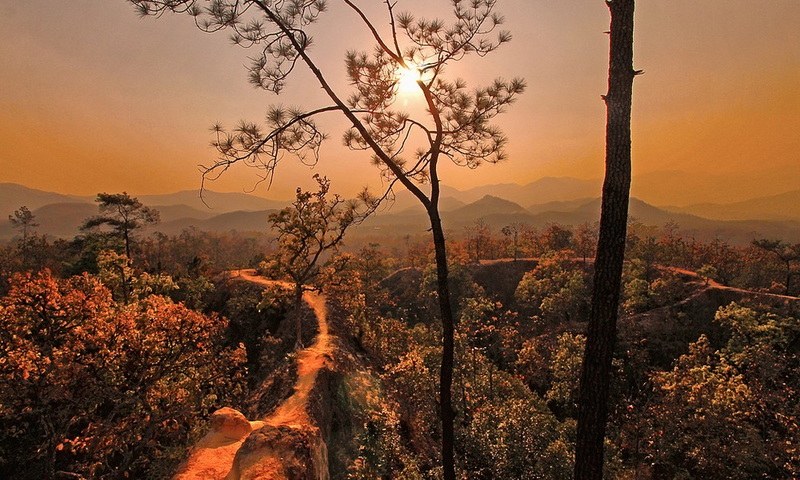
Pai Canyon presents a contrasting landscape of narrow ridges, eroded earth, and open valley views. Trails can include uneven surfaces and exposed edges, so careful footing is important, particularly in wet or windy conditions. Its dry, sculpted forms differ markedly from the shaded geothermal woodland at Tha Pai Hot Spring. Including both places in a regional itinerary helps travelers notice the variety of terrain around Pai rather than viewing the district as a single type of environment.
Where the Experience Leads Next
Tha Pai Hot Spring is best understood as one quiet expression of the geography around Pai. The steaming water, surrounding forest, and nearby cultural and geological sites together create a regional story that extends beyond one stop. Whether reached on a longer loop from Chiang Mai or included in a Pai-focused journey, the spring offers time to slow down and observe how land, water, roads, and communities meet in Mae Hong Son Province. A thoughtful visit leaves room for that setting to remain calm, natural, and connected to the wider journey.


No comments:
Post a Comment