Patara Elephant Farm and the Search for a Responsible Chiang Mai Adventure
A balanced look at elephant welfare, visitor impressions, outdoor possibilities, and two nearby places worth adding to the day
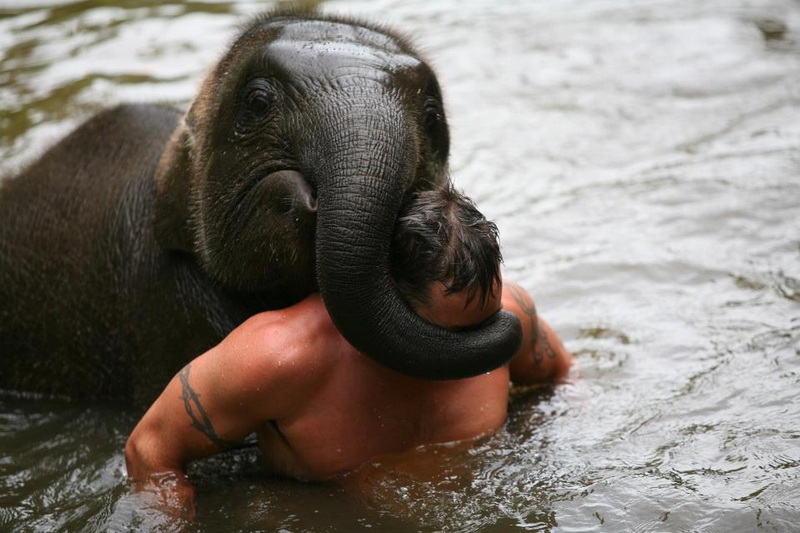
Choosing an elephant experience in Chiang Mai involves more than finding a scenic setting. Travelers increasingly want to understand how elephants are treated, what participation involves, and whether a visit feels educational rather than merely entertaining. Patara Elephant Farm, in Hang Dong District, Chiang Mai, is often considered by visitors who want a close encounter shaped around care, observation, and learning. This article takes a review-oriented approach. It does not treat a sanctuary label as proof of good practice, nor does it reduce visitor feedback to a simple star rating. Instead, it considers the signs that can help travelers judge quality: the animals’ visible condition, the tone of staff guidance, the amount of choice given to elephants, and the way guests are encouraged to behave. It also looks at the wider setting, where an elephant visit can be combined thoughtfully with nature and local craft experiences. For anyone comparing the Best Elephant Sanctuary Chiang Mai options, the most useful question is not which place sounds most impressive. It is whether the experience respects elephants while giving visitors a clear and honest understanding of their lives.
What Sanctuary Quality Should Mean
A high-quality elephant facility should make welfare visible in everyday details rather than relying only on reassuring language. Visitors can observe whether elephants appear alert and physically comfortable, whether they have room to move naturally, and whether interactions are controlled by knowledgeable handlers instead of by excited guests. Access to shade, water, food, rest, and social contact also matters, although a short visit cannot reveal every aspect of an animal’s long-term care.
The setting at Patara Elephant Farm is commonly presented through close participation in elephant care. That format can be meaningful when it teaches guests to notice behavior, understand body language, and approach calmly. It becomes less convincing if care is reduced to a sequence of photographs or if elephants are expected to perform repeatedly for visitors. A responsible traveler should watch how much emphasis is placed on learning and how much on personal entertainment.
The word sanctuary is used broadly in tourism, so independent judgment remains important. Travelers researching Patara Elephant Farm should look for current information about its welfare policies, veterinary support, breeding approach, elephant histories, and rules concerning riding or direct contact. Practices can change, and online descriptions may not reflect every current procedure. Asking respectful questions before joining an activity is more useful than assuming that a label settles the matter.
Understanding Patara Elephant Training
The phrase Patara Elephant Training can sound as though visitors are being taught to train an elephant, but a responsible interpretation is broader. Guests may learn how handlers communicate with elephants, how daily routines are organized, and how an animal’s responses can signal comfort, uncertainty, or a need for distance. The educational value lies in understanding the relationship, not in gaining control over a large animal.
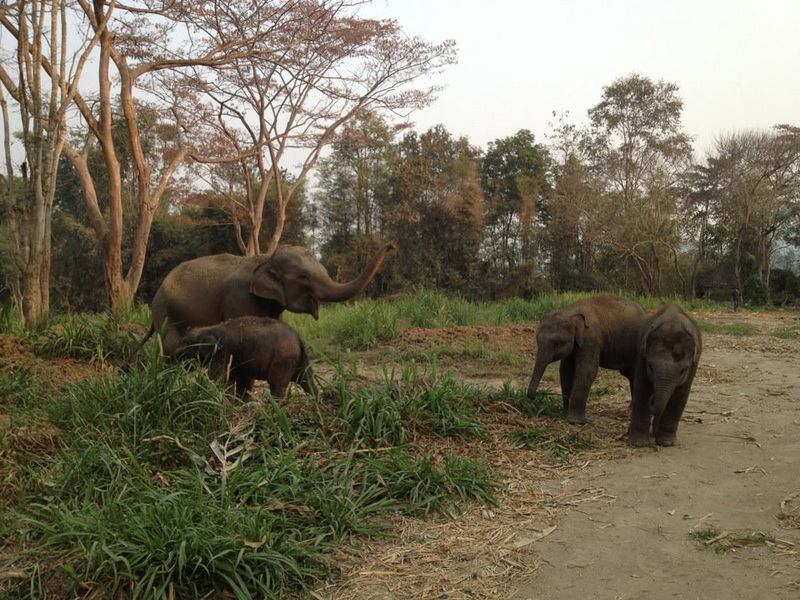
A careful visitor should distinguish between cooperation and forced compliance. Elephants are intelligent, powerful animals with individual histories, and a quiet response does not automatically prove that an interaction is voluntary. Good guidance should encourage patience, avoid crowding, and make clear that guests must follow the handler’s instructions. If an elephant moves away, becomes agitated, or shows signs of fatigue, the appropriate response is to give space rather than seek a closer photograph.
This is also where a Patara Elephant Conversation can be useful in a wider sense. A meaningful conversation about elephants includes their working histories, changing tourism practices, conservation pressures, and the responsibilities of people who visit them. It should leave travelers better able to question entertainment-based encounters elsewhere, rather than simply persuaded that one particular outing is perfect.
Reading Patara Elephant Reviews with Care
Patara Elephant reviews often praise the personal scale of the experience, the opportunity to learn about individual elephants, and the feeling of spending time in a natural environment rather than moving through a conventional attraction. Positive comments may also mention attentive staff, clear explanations, and the emotional impact of seeing elephant care as a daily responsibility. These impressions can help a prospective visitor understand the atmosphere, but they remain subjective.
Reviews should be read for specific observations instead of relying on enthusiastic adjectives. Does a reviewer describe how staff handled an uncertain elephant? Did the account mention rest periods, group behavior, and respectful boundaries? Were expectations about contact explained clearly? Such details offer more insight than a brief statement that the visit was unforgettable. Photographs are similarly limited evidence because they show a moment, not the full standard of care.
Not every visitor will experience the day in the same way. Someone seeking a highly active attraction may find a welfare-centered visit slower and more reflective than expected, while a nature lover may appreciate the chance to observe rather than rush. Weather, group dynamics, personal comfort with close animal encounters, and changing policies can all affect impressions. The fairest reputation summary is therefore mixed but encouraging: the farm attracts strong interest because of its care-focused format, while responsible travelers should still verify current practices and choose activities that match their own welfare standards.
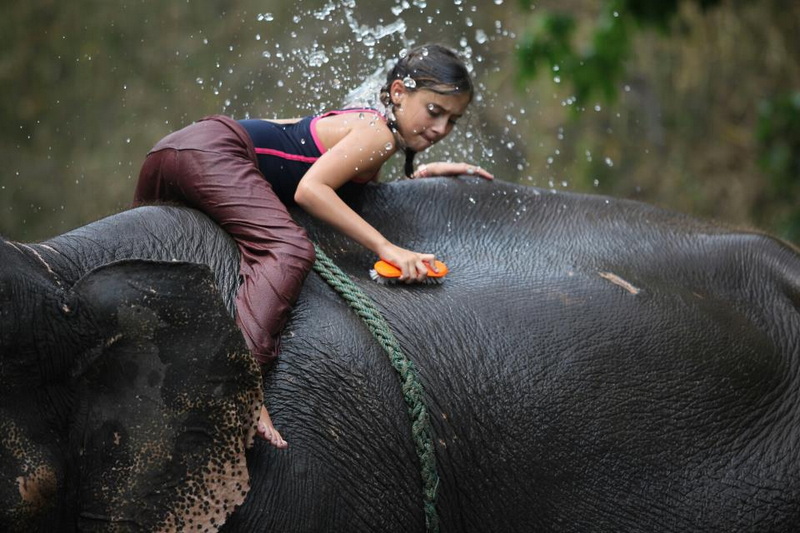
Where Adventure Fits Without Taking Over
An elephant visit can sit within a broader Action And Adventure Chiang Mai itinerary, but adventure does not have to mean constant speed or physical intensity. Walking through rural landscapes, observing forest edges, and paying attention to terrain can make the day active without turning elephants into an amusement feature. The most suitable additions are those that respect the pace of the environment and leave enough time for the animal-focused part of the visit to remain thoughtful.
Chiang Mai’s surrounding districts offer opportunities for walking, cycling, horse riding, and visits to protected natural areas, subject to local conditions and the policies of each operator or park. These activities should be judged separately from the elephant experience. A responsible elephant facility does not automatically make every nearby adventure provider responsible, and an enjoyable outdoor activity should not be used to excuse weak animal-welfare practices.
For travelers planning a combined day, balance is more valuable than quantity. A forest or park visit can provide quiet contrast after time with elephants, while a craft village can add cultural context without requiring another animal encounter. Leave room for pauses, hydration, changing weather, and respectful observation. This approach produces a more grounded Chiang Mai adventure than trying to collect as many attractions as possible.
Who May Find the Experience Most Suitable
Patara Elephant Farm may appeal to travelers who want an interpretive experience rather than a quick photo stop. Nature lovers, first-time visitors who are willing to listen, and people comparing elephant tourism standards may find the emphasis on care and explanation especially relevant. The experience can also suit visitors who understand that ethical travel sometimes involves fewer direct interactions and more observation.
It may be less suitable for anyone expecting guaranteed close contact, a dramatic performance, or a fixed emotional outcome. Elephants are not props, and a well-managed encounter should allow their behavior to shape the experience. A visitor may leave with fewer photographs than expected but a better understanding of why boundaries matter. That is a reasonable measure of quality for a conservation-minded outing.
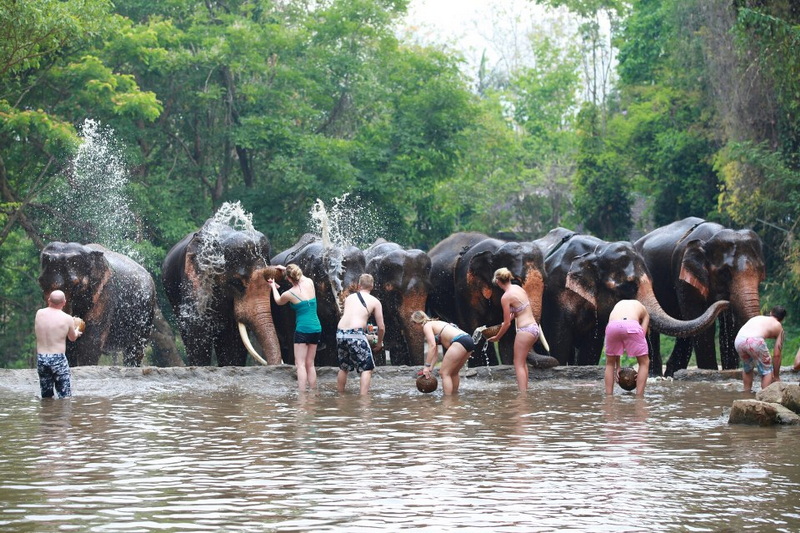
Before booking, travelers should examine the current description of activities, ask how contact is managed, and consider whether the practices align with their principles. They should also be prepared to follow instructions, avoid shouting or sudden movements, and accept that staff may change an activity for an elephant’s welfare. These choices support the facility’s stated purpose and reduce pressure on the animals.
Placing the Farm in Hang Dong District
Hang Dong District adds useful regional context to a visit at Patara Elephant Farm. The area combines rural scenery, forested routes, established tourism services, and craft traditions, making it possible to think about animal welfare as one part of a larger local landscape. A thoughtful itinerary does not treat the district as a backdrop only; it recognizes that nature, livelihoods, and visitor behavior are connected.
Travelers can use the surrounding area to slow down and compare different kinds of learning. An elephant program may encourage attention to animal behavior, a national park may highlight watershed and forest conservation, and an artisan village may show how skill and local enterprise shape community identity. None of these experiences should be romanticized, but each can become more meaningful when approached with curiosity and respect.
The strongest impression may come from the contrast between close observation at the farm and the broader perspective offered by nearby places. Instead of asking whether one attraction is enough to fill a day, consider what each stop teaches and whether the combination supports responsible tourism. That regional-flow perspective makes the visit less about collecting highlights and more about understanding Chiang Mai through its living environments and communities.
Nearby Attractions
Ob Khan National Park
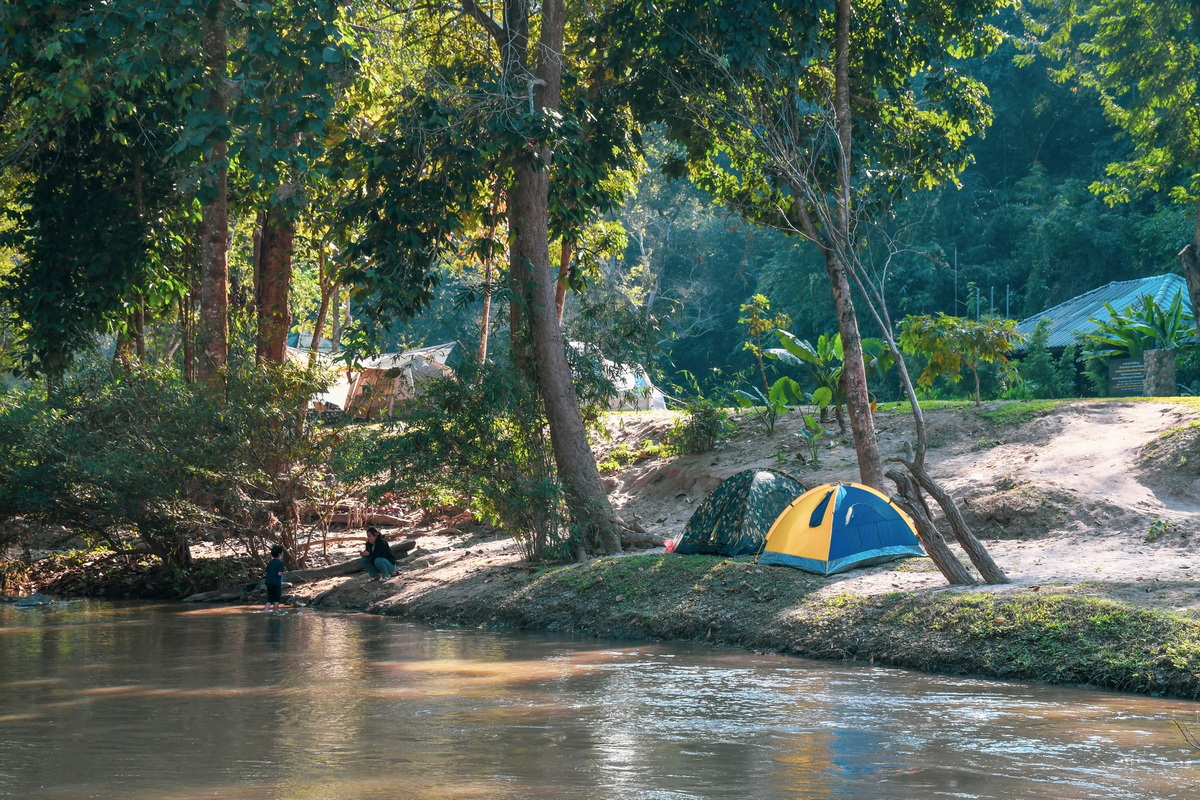
Ob Khan National Park offers a natural counterpoint to an elephant-focused visit, with rugged scenery, forest, and river-carved landscapes that invite quiet observation. Conditions and access can vary, so visitors should follow current park guidance, stay on appropriate paths, and avoid treating the area as a guaranteed wildlife-spotting venue. The value of the park is found in its landscape and ecological setting, not in promises of a particular encounter.
Pairing the park with Patara Elephant Farm can broaden the day’s conservation perspective. At the farm, attention centers on the care of individual elephants; in the park, it shifts toward habitats and natural systems. Keeping those subjects distinct helps travelers appreciate both without making unsupported claims about how the two organizations are connected.
Baan Tawai Wood Carving Village

Baan Tawai Wood Carving Village provides a cultural dimension to a Hang Dong itinerary through workshops, carved objects, and local craft businesses. Visitors should approach the village as a working community rather than a staged display, asking permission before photographing people or production areas and recognizing that artisans’ work represents time, training, and livelihood.
A visit here can complement an elephant experience by shifting attention from wildlife care to human skill and local enterprise. Travelers need not turn the two stops into a single story; their value lies in the contrast. One encourages reflection on responsible relationships with animals, while the other invites respectful appreciation of craft traditions and the people who sustain them.
Where the Experience Leads Next
Patara Elephant Farm is best considered through questions rather than slogans. Look at the welfare standards that can be observed, read Patara Elephant reviews for concrete details, and confirm current practices before visiting. Combine the experience with outdoor or cultural stops only when the pace remains respectful and realistic. For travelers seeking an ethical elephant encounter near Chiang Mai, that careful approach offers the clearest path to a meaningful day: less focused on guaranteed excitement, and more attentive to elephants, local settings, and the responsibilities of being a guest.



No comments:
Post a Comment