Phra That Hariphunchai Temple and the Cultural Sights of Lamphun
A respectful look at Lamphun’s celebrated stupa, layered history, and nearby expressions of northern Thai heritage
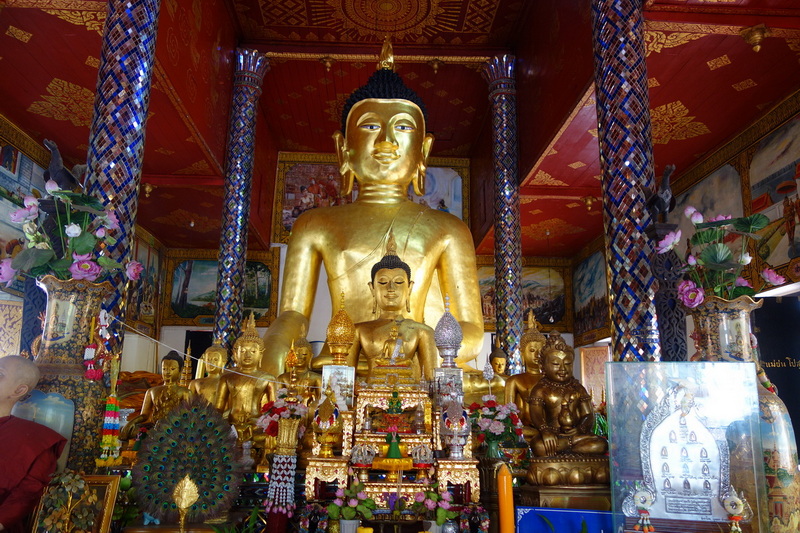
In the heart of Mueang Lamphun District, Phra That Hariphunchai Temple stands as both a living religious site and a visible marker of the city’s long history. Known in Thai as Wat Phra That Hariphunchai, it is closely connected with Hariphunchai, the ancient polity that shaped Lamphun’s identity before the rise of the Lanna kingdom. The temple remains important not only because of its sacred traditions, but also because its architecture gathers centuries of northern Thai artistic influence into one urban setting. For travelers interested in Famous Temples In Northern Thailand, the temple offers a particularly useful point of reference. Its central chedi, ceremonial spaces, devotional imagery, and relationship with the old city reveal how religion, kingship, craft, and community life have remained connected in Lamphun. Rather than viewing the compound as a monument isolated from its surroundings, it is more rewarding to understand it as one part of a wider heritage landscape. The following sights and observations place Hariphunchai Temple within that larger cultural setting.
A Temple Rooted in Hariphunchai History
Lamphun occupies an important place in the history of northern Thailand. The city developed around ancient Hariphunchai, a Mon cultural centre whose influence can still be seen in local religious traditions, historical stories, and architectural forms. Wat Phrathat Hariphunchai is traditionally associated with this heritage and is regarded as one of the principal Buddhist temples of the region. Its formal name, Wat Phra That Haripunchai Woramahawihan, reflects the temple’s high religious status.
Historical accounts and local traditions connect the site with the preservation and veneration of a Buddha relic. As with many old Buddhist sanctuaries, the temple’s significance is expressed through both documented history and living belief. It is therefore useful to distinguish between historical evidence, religious tradition, and later restoration when looking at the compound. Each layer contributes to the meaning of Phrathat Hariphunchai without needing to be treated as a single, unchanging moment in time.
The temple’s importance also comes from continuity. Generations of worshippers have approached the central sanctuary for prayer, merit-making, and participation in Buddhist observances. Visitors may notice that the compound is not simply arranged for viewing; it continues to function as a religious environment. That active role gives Hariphunchai Temple a different character from a purely archaeological site and calls for attentive, quiet sightseeing.
The Central Chedi as the Visual Focus
The most recognisable feature of Wat Hariphunchai is its prominent central chedi, whose gilded appearance draws the eye above the surrounding roofs and courtyards. The stupa serves as the visual and spiritual centre of the compound. Its upward form directs attention toward the sky while its substantial base anchors it within the temple grounds, creating a sense of stability and elevation at the same time.
The chedi should be observed as a composition rather than only as a golden surface. Look at the progression from the lower base to the narrowing upper levels, the arrangement of decorative details, and the way light changes across the structure during the day. The use of gold is not merely ornamental. In Buddhist architectural contexts, radiance can suggest reverence, merit, and the elevated status of a sacred relic or image. These meanings remain connected to worship, so photography and close observation should be balanced with respect for people using the space.
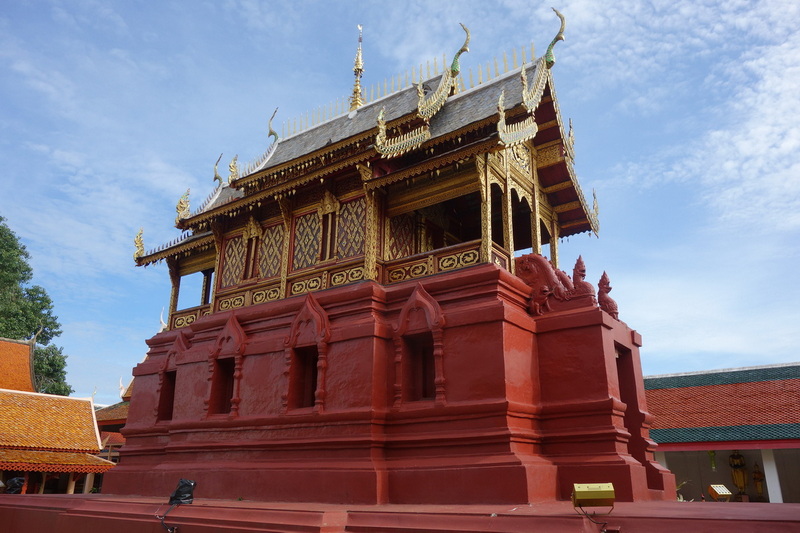
Around the principal stupa, temple buildings and ceremonial features provide a varied architectural frame. Rooflines, finials, columns, guardian figures, and naga forms contribute to the visual language associated with northern Thai religious design. Some details may reflect different periods of construction or renovation, making the compound a useful place to notice how a historic temple can preserve older ideas while incorporating later artistic work.
Reading the Temple Beyond Its Main Landmark
A visit to Phrathat Hariphunchai Temple becomes richer when attention moves beyond the central chedi. Courtyards help organize movement between sacred buildings, while images of the Buddha and protective figures establish different devotional focal points. The arrangement encourages a gradual experience: an observer may first notice the large-scale silhouette, then the craftsmanship of doors, roof edges, stucco, and painted or gilded details.
The temple’s visual character also comes from contrast. Bright surfaces stand beside weathered materials; formal symmetry is softened by trees, shade, and the movement of worshippers; and highly decorated elements appear alongside plain walls designed for practical use. These contrasts are not signs of inconsistency. They show how a functioning religious complex changes through maintenance, use, and adaptation.
For cultural tourists, this is one of the most valuable Sights in Lamphun because the temple rewards both broad appreciation and close looking. The best approach is not to hurry from one object to another. Spend time identifying the central axis, noticing how buildings relate to one another, and considering which features appear intended for ritual use, public gathering, or visual emphasis. This method reveals the temple as an organized cultural landscape rather than a collection of isolated decorations.
How to Understand a Living Religious Site
The name Hariphunchai Temple may suggest a historical monument, but the compound remains part of everyday religious life. Monks, local residents, families, and visitors may share the same space for different purposes. Some people arrive for worship or offerings, while others come to study architecture and history. A considerate visitor allows both activities to coexist without treating devotional practice as a performance.
Simple conduct helps preserve that balance. Modest clothing, a quiet manner, and care around Buddha images are appropriate. Shoes may need to be removed in designated buildings, and some areas may be intended for worship rather than general access. It is wise to observe local cues and posted instructions instead of assuming that every part of the compound is open for unrestricted sightseeing. Photography should never interrupt prayer, ceremonies, or private moments.
The temple is also best understood through its regional context. Lamphun’s identity is not based on a single architectural style or a single historical period. Hariphunchai traditions, Lanna developments, later restorations, and contemporary community life overlap here. Recognizing those layers makes the visit more thoughtful and avoids reducing the temple to a picturesque backdrop.
Why the Temple Matters Within Lamphun
Phra That Hariphunchai Temple helps explain why Lamphun is often experienced as a heritage city rather than simply a stop between larger northern destinations. Its religious importance gives the urban centre a strong point of continuity, while nearby monuments expand the historical story. A short cultural itinerary can therefore move from a major active sanctuary to older chedis, city traditions, and quieter examples of local craftsmanship without losing its central theme.
The temple also demonstrates how recognition is created over time. It is respected because of its association with relic veneration, its historical links with Hariphunchai, its architectural prominence, and its continuing role in community life. None of these qualities needs to stand alone. Together, they explain why the temple is frequently included among the Famous Temples In Northern Thailand and why it remains a defining landmark in Lamphun.
Seen in this way, a visit is less about collecting photographs of a celebrated stupa and more about understanding relationships: between sacred centre and surrounding city, between old traditions and later repairs, and between formal architecture and daily religious practice. Those relationships give the temple its enduring presence.
Nearby Attractions
Wat Chamadevi
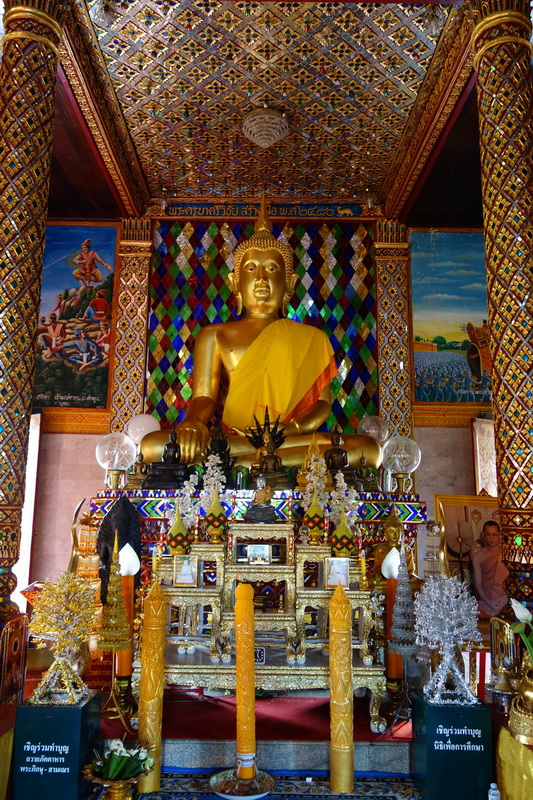
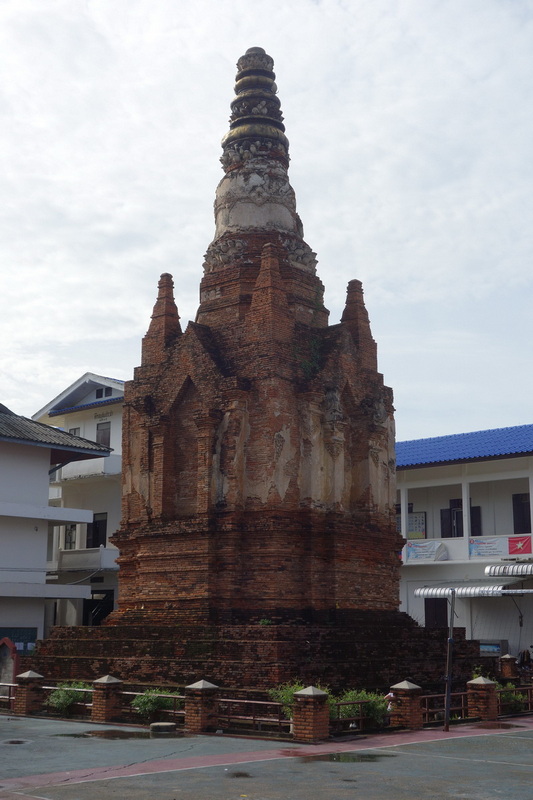
Wat Chamadevi offers an important companion to Wat Phra That Hariphunchai because it is closely associated with Lamphun’s early history and the memory of Queen Chamadevi. The temple is known for distinctive ancient chedis, especially the Suwan Chang Kot, whose tiered form and surrounding sculptural details provide a different architectural experience from the tall central stupa at Hariphunchai. The site encourages close attention to brickwork, proportions, and the way early northern religious architecture expressed sacred space.
Together, the two temples show that Lamphun’s heritage cannot be represented by one monument alone. Wat Chamadevi provides a quieter historical perspective, while Hariphunchai Temple presents a grander active sanctuary. Visiting both helps place local traditions within a longer sequence of religious and artistic development.
Wat San Pa Yang Luang
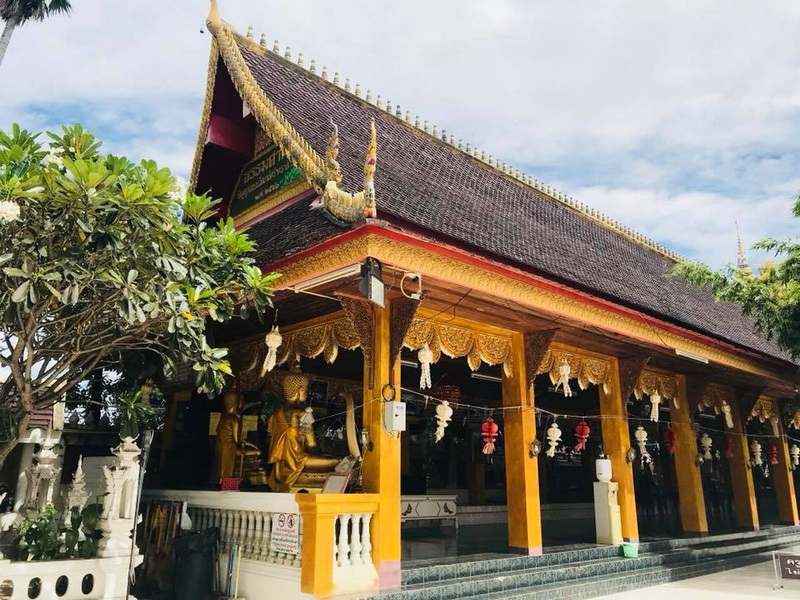
Wat San Pa Yang Luang adds another dimension to a Lamphun heritage visit through its northern Thai decorative arts and temple atmosphere. Its buildings and ornamentation can be appreciated for the craftsmanship of carved, gilded, and sculpted details, as well as for the relationship between architecture and devotional use. The temple is particularly relevant to travelers who want to look beyond major landmarks and notice the artistic care found in a functioning local monastery.
As a companion to Hariphunchai Temple, Wat San Pa Yang Luang broadens the visual story. One site emphasizes the authority and presence of a major relic sanctuary; the other invites attention to regional design traditions expressed across a temple compound. Together they support a more complete understanding of Lamphun as a place where heritage is still lived, maintained, and interpreted by its community.
Where the Experience Leads Next
Phra That Hariphunchai Temple is memorable not only for its luminous chedi, but for the historical and cultural connections gathered around it. The sanctuary links ancient Hariphunchai with present-day Lamphun, while its architecture offers details to study at every scale. A respectful visit allows the temple to remain what it is: a place of Buddhist practice, local identity, and heritage appreciation. When combined with Wat Chamadevi and Wat San Pa Yang Luang, the experience becomes a broader reading of Lamphun’s enduring religious landscape rather than a visit to one isolated landmark.


No comments:
Post a Comment