Sai Ngam Hot Spring in the Regional Landscape of Mae Hong Son
Understanding the Pai setting, loop routes, and nearby nature and cultural stops in northern Thailand

Mae Hong Son Province is shaped by mountains, forested valleys, winding roads, and communities connected by a regional network rather than a single urban centre. Sai Ngam Hot Spring sits within this broader landscape near Pai, making it more than an isolated bathing stop. Its value comes from the way it connects visitors with the geography of the northern hills and with the slower rhythm of a journey through the province. For travellers considering a Mae Hong Son Loop Tour From Chiang Mai, the spring can form one part of a route that links Pai with other natural and cultural places. The journey is usually best understood as a sequence of landscapes rather than a race to collect attractions. Roads, weather, time, and road conditions all influence how much can comfortably be included, so a flexible plan is more useful than an ambitious checklist. This regional perspective also helps explain why Sai Ngam is often associated with Pai even though it belongs to the wider Mae Hong Son destination area. A visit can be combined with nearby places such as Pam Bok Waterfall and Santichon Village, while still leaving room to appreciate the surrounding countryside. The following guide focuses on that relationship between spring, district, province, and loop travel.
Mae Hong Son Province as a Journey Through Landscapes
Mae Hong Son Province occupies a mountainous part of northern Thailand close to the Myanmar border. Valleys and ridgelines divide many settlements, and travel between them often follows roads that curve through forested terrain. This geography gives the province a distinctive regional character: distances on a map may appear modest, yet journeys can take time because routes rise, descend, and bend around the land.
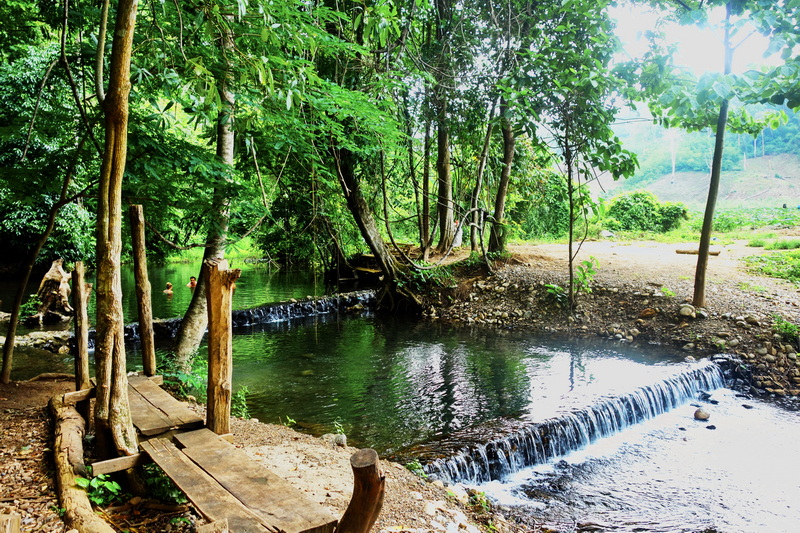
Pai is one of the province’s best-known travel bases, with a compact town centre surrounded by rural scenery. From here, visitors can look beyond the town toward hot springs, waterfalls, viewpoints, farms, and villages. Sai Ngam Hot Spring belongs to this countryside setting. The spring is not simply an urban amenity; it is a nature stop reached as part of movement through Pai District.
The wider province is also known for cultural diversity. Different communities have their own histories, languages, food traditions, religious practices, and relationships with the surrounding environment. A respectful regional journey avoids reducing these places to scenic backdrops. It allows time to observe local life appropriately, follow site rules, and recognise that communities are lived-in places rather than attractions created solely for visitors.
How Loop Travel From Chiang Mai Frames a Spring Visit
A loop journey from Chiang Mai to Mae Hong Son generally refers to travelling through the mountainous north and returning by a different or extended route. The exact direction and duration vary, but the underlying idea is to connect several districts instead of treating Mae Hong Son as a single out-and-back destination. Pai commonly serves as one stage of this broader circuit, while other travellers may begin or end their route in different parts of the province.
Within that framework, a stop at Sai Ngam can provide a change of pace between longer stretches of road. The spring offers a nature-focused pause, whereas the route itself supplies changing views of hills, valleys, and rural settlements. Travellers should allow realistic time for driving, breaks, weather changes, and navigation. A loop is more enjoyable when the itinerary leaves space for unplanned viewpoints or a delayed departure rather than assigning every hour to a separate stop.
Transport choice also affects the experience. Independent drivers need confidence on winding mountain roads and should avoid rushing, particularly in rain or low visibility. A hired driver or organised journey may reduce navigation demands, but arrangements, inclusions, and operating details should be confirmed directly before travel. In every case, the spring should be treated as one component of a regional route, not as a reason to overlook safe and considerate travel.
Reading the Natural Character of Sai Ngam
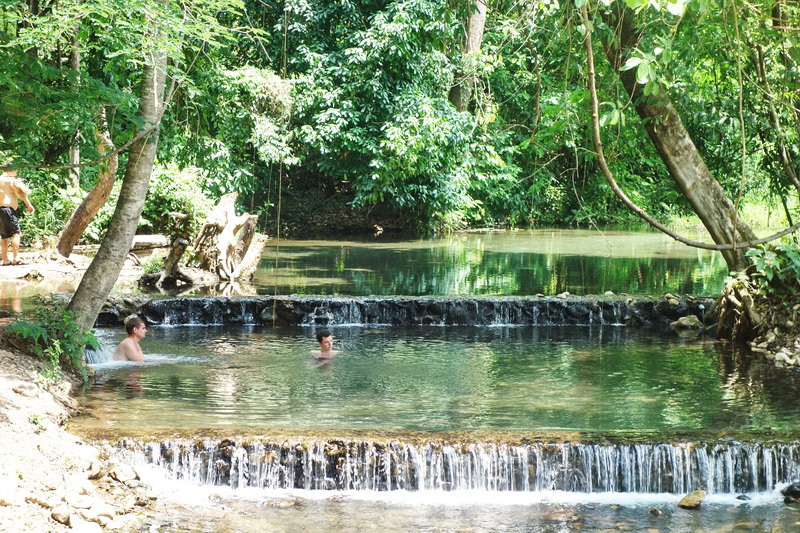
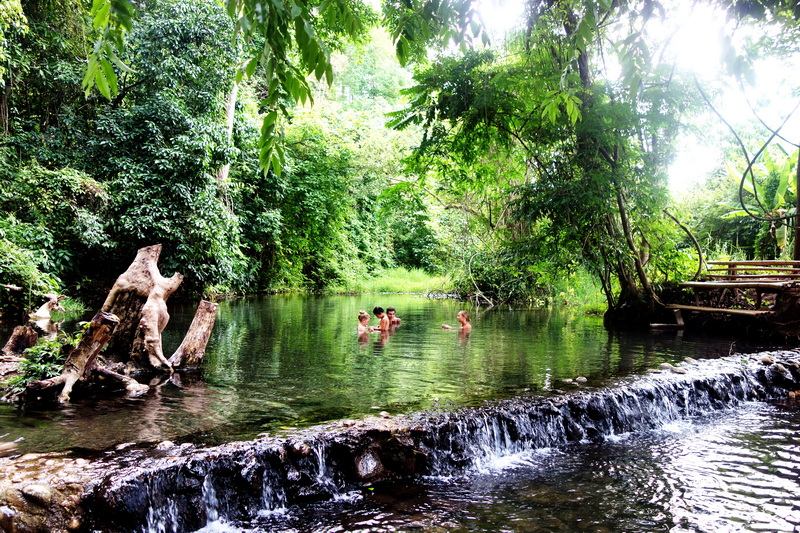
Sai Ngam is commonly described as a natural mineral spring, with warm water collected in a forested setting. The attraction is associated with clear pools, shade, and a calm atmosphere that contrasts with the movement required to reach it. Visitors interested in Sai Ngam Natural Mineral Spring should approach it as a protected natural environment as well as a place for bathing or observation.
Water temperature and conditions can vary with weather and local management. For that reason, travellers should follow signs, staff guidance, and any restrictions in force on the day. It is sensible to bring practical items such as drinking water, a towel, and suitable footwear while avoiding anything that could damage the pools or surrounding vegetation. Soap, litter, and careless handling of natural features can affect the experience for both people and wildlife.
The forest setting is part of the attraction’s identity. Shade, sounds, damp ground, and plant life create an atmosphere that cannot be separated from the pools themselves. A quiet visit may be more rewarding than a hurried stop for photographs. Keeping voices moderate, staying within designated areas, and leaving natural materials in place are simple ways to support conservation and preserve the spring’s character.
A useful Sai Ngam Hot Spring Travel Guide should therefore include more than directions. It should explain the relationship between the water, the forest, local management, and the wider travel route. Conditions may change, so current access information is best checked locally before setting out. This is especially important when planning around seasonal rain, road work, or changes in site rules.
Building a Balanced Pai and Mae Hong Son Itinerary
A regional itinerary works best when its stops complement one another. Sai Ngam can provide a peaceful natural focus, while a waterfall or village visit adds a different perspective. The aim is not to make every stop equally long, but to create a rhythm between driving, walking, bathing, viewing scenery, and learning about the places along the route.
When preparing to Visit Saingam Hot Spring, consider the starting point, road conditions, daylight, and the energy of the group. Families, older travellers, and anyone uncomfortable with winding roads may prefer a shorter schedule with generous margins. Independent visitors should keep offline route information available where connectivity is inconsistent. Travellers using a loop itinerary should also remember that the next overnight stop may be farther away than it appears on a map.
Responsible planning includes checking what is permitted at the spring and respecting shared facilities. Swimwear and personal items should be managed discreetly, and visitors should avoid assuming that every pool or area is open for use. The natural setting can be enjoyed without loud music, disposable plastic, or intrusive photography of other visitors. These small choices matter in a place whose appeal depends on quiet surroundings.
The phrase Sai Ngam Hot Spring Thailand may appear in broad travel searches, but the most useful planning questions are local ones: how will the road be that day, what conditions are expected, and which nearby stops fit the available time? Regional travel rewards attention to detail more than a fixed promise of convenience.
Why the Wider Context Matters
Looking at Sai Ngam through a regional lens changes the meaning of the visit. The spring is a destination in its own right, yet it also reveals how natural resources, roads, tourism, and local communities intersect in Mae Hong Son. Travellers pass through a landscape where forests and valleys influence settlement patterns, agriculture, transport, and daily life.
This perspective can encourage a slower form of sightseeing. Instead of measuring the day by the number of photographs or stops, visitors can notice how the scenery changes between Pai and other parts of the province. They can support local businesses respectfully, keep waste to a minimum, and avoid treating community traditions as entertainment detached from their context.
For those researching Sai Ngam Hot Spring Mae Hong Son or Sai Ngam Hot Spring Pai, the distinction between attraction and region is useful. Pai may be the practical base familiar to many visitors, while Mae Hong Son Province provides the geographical and cultural setting that gives the journey depth. A spring visit becomes more memorable when it is understood as one encounter within a larger northern landscape.
Nearby Attractions
Pam Bok Waterfall
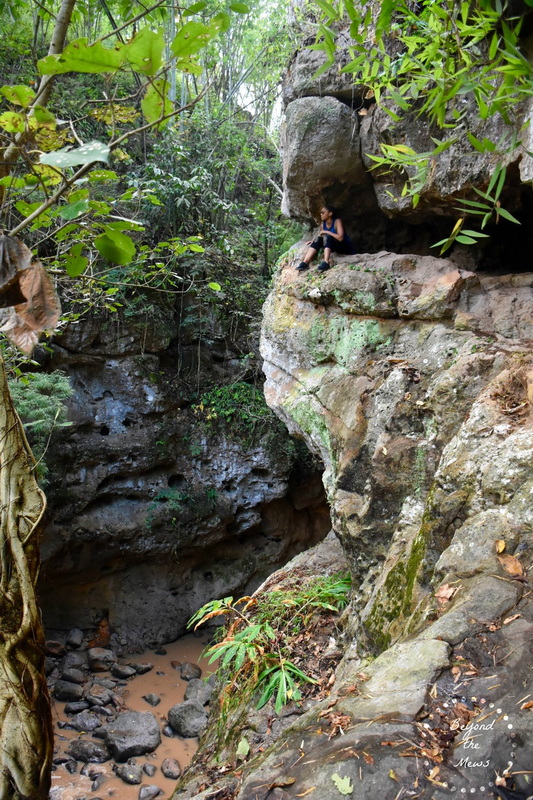
Pam Bok Waterfall offers a contrasting natural stop within the Pai area. Water flows through a narrow, rocky setting, creating a more enclosed atmosphere than the open forest surroundings associated with the spring. Conditions can change with rainfall and season, so visitors should take care on wet or uneven surfaces and follow any local access guidance.
Placing Pam Bok Waterfall beside Sai Ngam in an itinerary creates variety without changing the regional theme. One stop centres on warm mineral water and woodland calm, while the other highlights the movement of water through rock. The combination is most comfortable when travel time and walking ability are considered realistically rather than treated as fixed assumptions.
Santichon Village
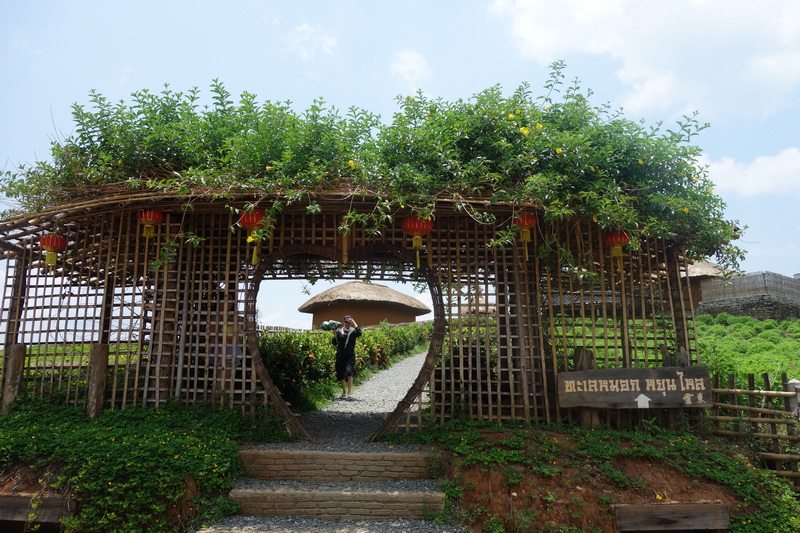
Santichon Village is a community-oriented stop near Pai associated with Chinese Yunnan heritage. Its presence in the regional tourism landscape reflects migration history, family traditions, food, architecture, and local enterprise. Visitors should approach the village with respect, recognising that residents live and work there rather than presenting it as a staged cultural display.
A visit can complement Sai Ngam by shifting attention from natural features to human history and contemporary community life. Travellers should follow photography guidance, use public areas appropriately, and support local businesses without making assumptions about people’s identities or traditions. The value of the stop lies in learning about the place on its own terms, not in exoticising its residents.
Where the Experience Leads Next
Sai Ngam Hot Spring makes the most sense when placed within the geography of Pai District and the wider Mae Hong Son Province. Its warm pools and forest setting provide a natural pause, while nearby Pam Bok Waterfall and Santichon Village add contrasting views of landscape and community. For travellers following a loop from Chiang Mai, careful timing, respectful behaviour, and realistic expectations will make the route more comfortable. The journey is not only about reaching one spring; it is about noticing how nature, roads, and local places connect across northern Thailand.


No comments:
Post a Comment