Hill Tribe Trekking and Cultural Encounters near Ban Pha Mon
A respectful guide to village encounters, mountain paths, and cultural understanding in Pang Mapha
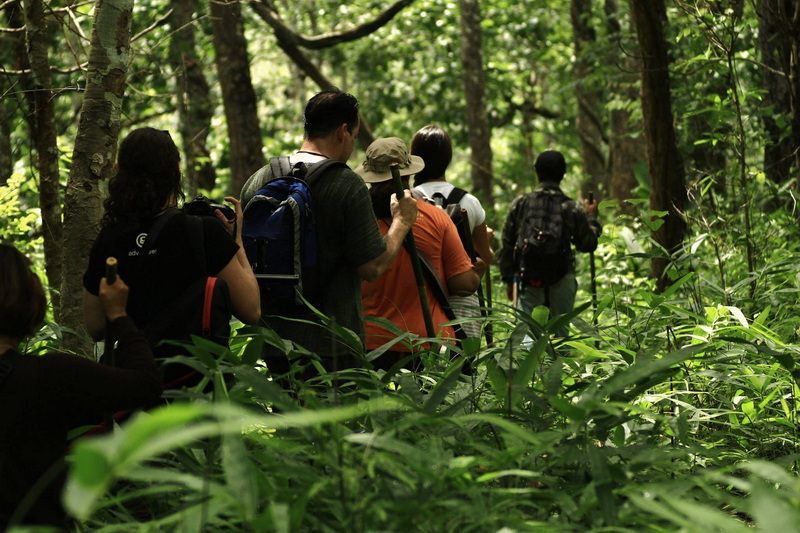
In the mountains of Pang Mapha District, Ban Pha Mon offers a setting where trekking is closely connected with village life. The experience is not simply about walking through forest or reaching a viewpoint. It is also about understanding how communities live in a highland environment, how local knowledge shapes movement through the landscape, and how visitors can enter that setting without treating people or traditions as attractions on display. For travelers interested in Mae Hong Son Province, the area provides an opportunity to approach hill tribe trekking with patience and curiosity. Paths may connect cultivated slopes, woodland, streams, and homes, while conversations with residents can offer insight into work, food, beliefs, and family life. The most rewarding encounters are usually modest: a greeting, an explanation of a farming practice, or a shared moment of rest rather than a staged performance. This guide focuses on the cultural meaning and physical character of trekking around Ban Pha Mon Village and Ban Huai Pha Mon. Conditions and access can vary, so visitors should seek current local advice and follow community preferences rather than assuming that every path or household is open to visitors.
Culture Begins with Context, Not Spectacle
The communities around Pha Mon Village should be understood as living communities, not as frozen examples of the past. Residents balance inherited customs with contemporary education, technology, trade, and changing economic opportunities. A walk through the area may reveal houses, gardens, farm plots, religious objects, and shared spaces, but none of these should be treated as scenery detached from the people who use them.
The phrase hill tribe covers several distinct ethnic communities in northern Thailand, each with its own history, language, social practices, and relationship with the surrounding landscape. Visitors should avoid assuming that one tradition represents everyone in the region. If a local guide or resident explains a custom, listen to that specific explanation rather than comparing it casually with another community or turning cultural differences into entertainment.
Everyday traditions may be most visible through ordinary activities. Food preparation, agricultural work, weaving, household organization, and forms of welcome can all reflect local knowledge, but observation needs permission and context. Ask before photographing people, homes, ceremonies, tools, or personal belongings. A refusal should be accepted without pressure, and a conversation should not be interrupted simply to obtain a picture.
How to Meet Residents Respectfully
A respectful cultural encounter starts before the trek begins. Travelers can ask local coordinators or guides what areas are appropriate to visit, whether a household welcomes guests, and which subjects should remain private. This is especially important when a route passes close to homes, schools, farms, or places connected with spiritual practice. A guide who belongs to or works closely with the community can help explain boundaries that are not obvious to an outsider.
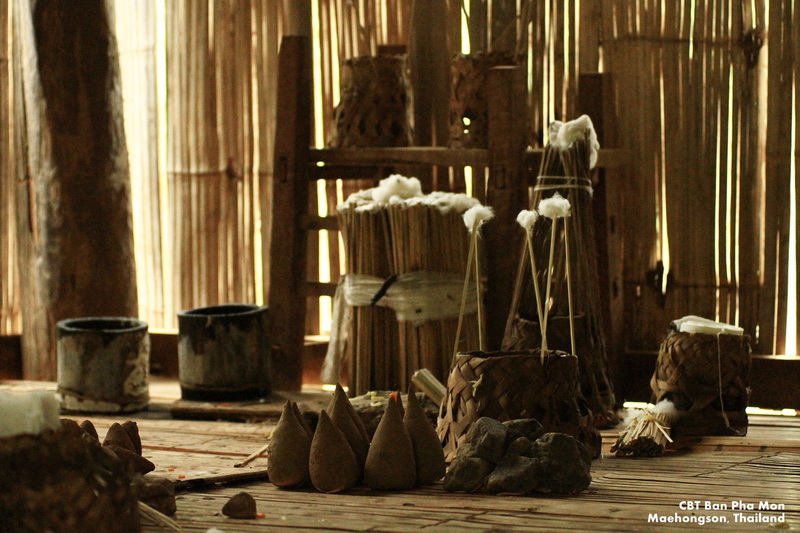
Conversation should be mutual rather than an interview imposed on residents. Simple greetings, attentive listening, and genuine questions about the landscape or daily work are generally more appropriate than asking people to demonstrate a tradition on demand. Avoid describing residents as primitive, untouched, or mysterious. Such language reduces complex communities to a romantic image and overlooks their agency, knowledge, and present-day concerns.
Responsible spending also matters. When visitors purchase food, crafts, or guiding services, fair payment supports local livelihoods more directly than casual donations or unsolicited gifts. Travelers should not distribute money, sweets, medicine, or school supplies to children without local guidance. Buying only what is genuinely wanted, avoiding aggressive bargaining, and following agreed arrangements are practical ways to show respect.
The best cultural exchange leaves room for the community to define itself. A resident may wish to discuss farming but not family matters; a guide may explain a path but recommend that a private area be bypassed. These limits are part of the experience, not obstacles to it. Visitors who accept them help create a more balanced relationship between trekking and tourism.
What the Mountain Paths Demand
Trekking around Ban Pha Mon is likely to feel more like movement through a working mountain landscape than a prepared urban park trail. Routes can involve uneven ground, steep sections, exposed roots, loose soil, narrow ridges, and changes in surface after rain. A short distance on a map may take longer than expected because the terrain requires careful foot placement and pauses.
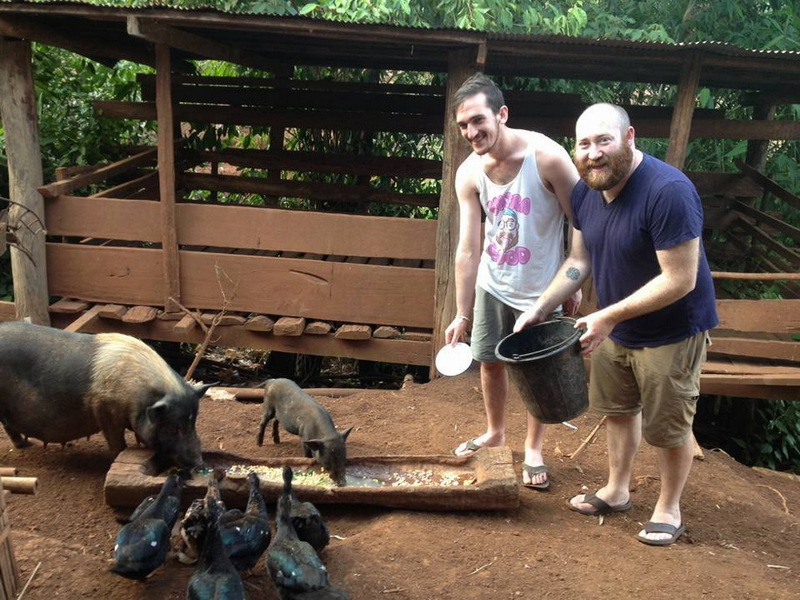
The physical challenge is only one part of the route. Heat, humidity, mud, limited shade, and changing weather can affect comfort and concentration. During wetter conditions, streams or small drainage channels may become more difficult to cross, while dry-season dust can make slopes slippery. Visitors should use sturdy footwear, carry water, protect themselves from the sun, and bring only what they can comfortably manage over uneven ground.
A local guide can add more than navigation. Guides may identify plants, explain how paths relate to farms and neighboring settlements, describe seasonal changes, and advise when a route should be shortened. Their knowledge helps visitors move more safely while reducing the risk of entering cultivated land or culturally sensitive spaces. Even experienced hikers should not assume that a route is suitable for independent walking simply because it appears on a map.
Pacing should allow space for observation and conversation. Rushing behind a guide can turn a cultural walk into a physical challenge with little understanding, while stopping too often in a passageway may inconvenience residents or other walkers. Keep groups quiet near homes, carry rubbish out, avoid picking plants, and stay attentive to local instructions. The goal is not to conquer the landscape but to pass through it carefully.
Preparing for a More Meaningful Walk
Before setting out, clarify the character of the experience rather than focusing only on distance. Ask whether the route includes village paths, forest sections, farmland, or visits with residents, and whether any part depends on seasonal conditions. It is also useful to discuss language support, photography expectations, food arrangements, and what happens if weather or fatigue changes the plan.
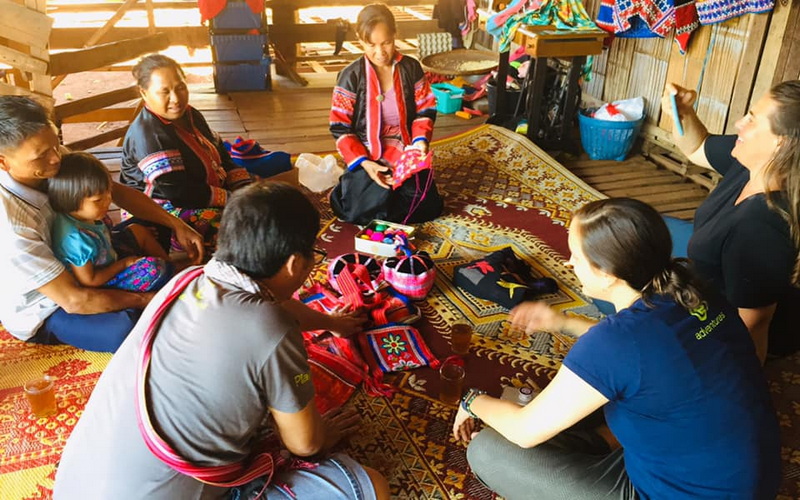
Cultural preparation can be simple. Dress modestly and comfortably, keep voices low in residential areas, and avoid touching religious or household objects unless invited. Learn a few polite greetings, listen when local names or terms are explained, and do not assume that English-language labels accurately capture how residents describe themselves. A willingness to learn is more valuable than arriving with a fixed idea of what a hill community should look like.
Physical preparation should match the route rather than an imagined itinerary. People with limited hiking experience can ask for a gentler option, while stronger walkers should still respect the pace set by terrain and local knowledge. Carry reusable water containers, sun protection, basic personal supplies, and suitable rain protection when conditions suggest it. Since services and route conditions may vary, current advice from local sources is more reliable than old online descriptions.
After the walk, reflect on what was learned and how the visit affected the community. Was time given to residents to speak? Were photographs taken with consent? Did spending support local work? Did the group leave paths, homes, and natural areas as it found them? These questions turn a pleasant trek into a more responsible form of travel and help preserve the possibility of future cultural exchange.
Extending the Cultural Journey Beyond the Village
The main value of a trek near Ban Pha Mon lies in the relationship between people and place. Two nearby destinations can broaden that perspective, provided they are visited as distinct communities and environments rather than as items on a checklist.
Ban Muang Pam
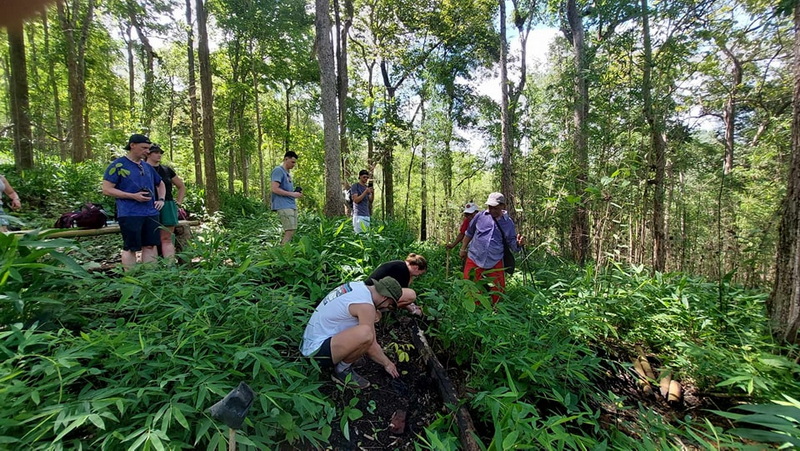
Ban Muang Pam can complement a visit to Ban Pha Mon by extending the focus from a single walk to the wider cultural and rural landscape of Pang Mapha. The value of visiting another community is not to collect comparisons or rank villages, but to notice how geography, local history, and everyday livelihoods shape places differently. Visitors should approach with the same care: ask before photographing, follow local guidance, and allow residents to decide how they wish to engage.
A visit here works best when treated as a community encounter rather than a quick stop between viewpoints. Take time to observe respectfully, listen to explanations, and support locally offered goods or services on fair terms. Combining the two places can deepen understanding of the region while reminding travelers that each settlement has its own identity and boundaries.
Tham Lod Cave
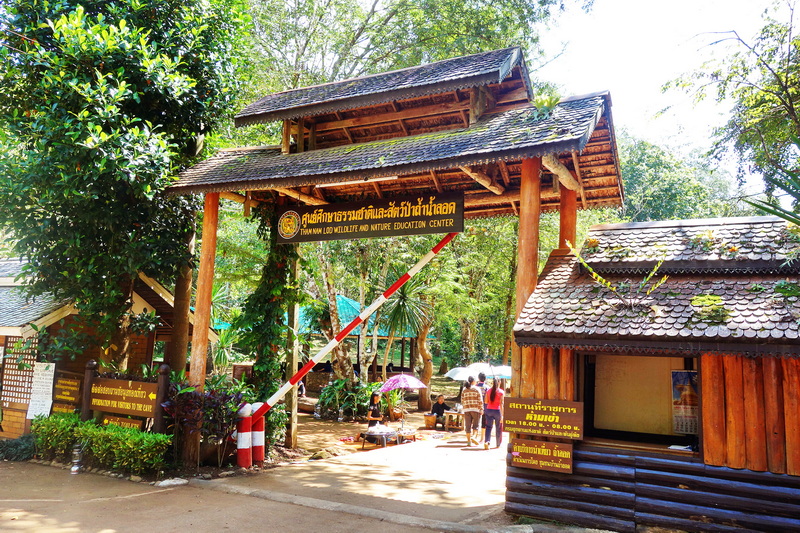
Tham Lod Cave adds a striking natural dimension to a cultural trekking itinerary. The cave is known for its large underground passages and the stream that runs through the cave system, creating a landscape shaped by water over a very long period. Its scale encourages a slower, attentive visit, especially when observing rock formations and the relationship between darkness, sound, and flowing water.
Cave environments are fragile, so visitors should follow current local guidance, remain with authorized assistance where required, and avoid touching formations or leaving waste behind. The cave also has cultural meaning beyond its geology, which makes respectful behavior especially important. Paired with Ban Pha Mon, it offers a useful contrast between human landscapes shaped by community life and natural spaces shaped by water, stone, and time.
Walking with Care in Pang Mapha
A trek around Ban Pha Mon can be physically demanding, but the deeper challenge is learning how to be present without taking ownership of the experience. Respectful visitors listen, ask permission, support local livelihoods fairly, and accept that some stories, homes, and places are not theirs to photograph or enter. Approached in this way, Mae Hong Son Hill Tribe Trekking becomes more than an outdoor activity. It becomes a chance to understand a living landscape through patience, humility, and attention to the people who call it home.


No comments:
Post a Comment