Ban Rak Thai Where Tea Hills Meet a Mountain Lake
A landscape-led guide to tea, water, community life, and regional travel in Mae Hong Son Province
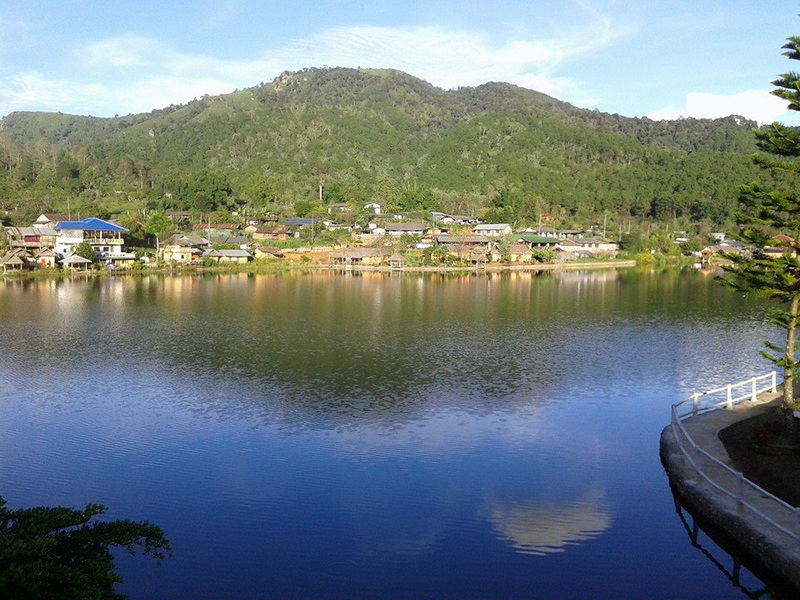
Water gives Ban Rak Thai its visual focus, but the village becomes intelligible only when the lake is read alongside the hills above it. Tea gardens occupy sloping ground, forested ridges frame the settlement, and buildings and daily activities gather around a highland environment shaped by seasonal weather. This connection between cultivated land, water, and community life is the most useful way to understand the destination. Ban Rak Thai is not just a viewpoint beside a lake; it is a place where scenery reflects work, history, and adaptation in Mueang Mae Hong Son District, Mae Hong Son. The village’s Chinese-influenced heritage adds another layer to that setting without reducing local life to a display for visitors. For travelers planning a route through Mae Hong Son Province, the attraction lies in seeing how these elements operate together. A Mae Hong Son Loop Tour From Chiang Mai can provide the larger road journey, while Ban Rak Thai supplies a concentrated study of highland settlement, tea culture, and changing mountain light. The experience is strongest when the landscape is treated as a living system instead of a backdrop.
The Lake Is Part of a Working Highland Landscape
The lake is usually the first feature visitors notice, yet its importance comes from its relationship with everything around it. Water gathers the reflections of hills, roofs, and cloud, making small shifts in weather visible across the village. Morning mist, bright midday light, and late-day shadow can give the same view a different character. That changing surface encourages observation, but the surrounding slopes explain why the setting feels so enclosed and distinctive.
Tea cultivation gives the hills a human pattern. Rows of plants follow the contours of the land, linking agriculture with the visual identity associated with Ban Rak Thai Mae Hong Son. Tea is not simply a souvenir theme or a flavor attached to a café visit. It points toward the work required to cultivate steep ground and toward the way local products connect visitors with the highland environment. Tasting tea, looking across cultivated slopes, and noticing the distance between gardens and forest can make the scenery easier to interpret.
The relationship between water and elevation also shapes the atmosphere of the settlement. Cool mountain air, cloud moving along ridges, and moisture gathering around the lake contribute to the village’s appeal without needing elaborate attractions. These qualities are especially valuable to travelers who enjoy natural observation: the line where forest meets garden, the way buildings sit against the slope, or the reflection that disappears when wind crosses the water. The destination’s beauty is therefore active and changeable, not a single fixed panorama.
Cultural Memory Appears in Everyday Details
Ban Rak Thai’s Chinese-influenced heritage is part of the village’s identity, but it is best approached through visible details and everyday context. Food, tea, settlement patterns, and architectural touches can suggest how histories of movement and resettlement remain present in a borderland community. These features give the village a cultural texture that cannot be separated neatly from its mountain location.
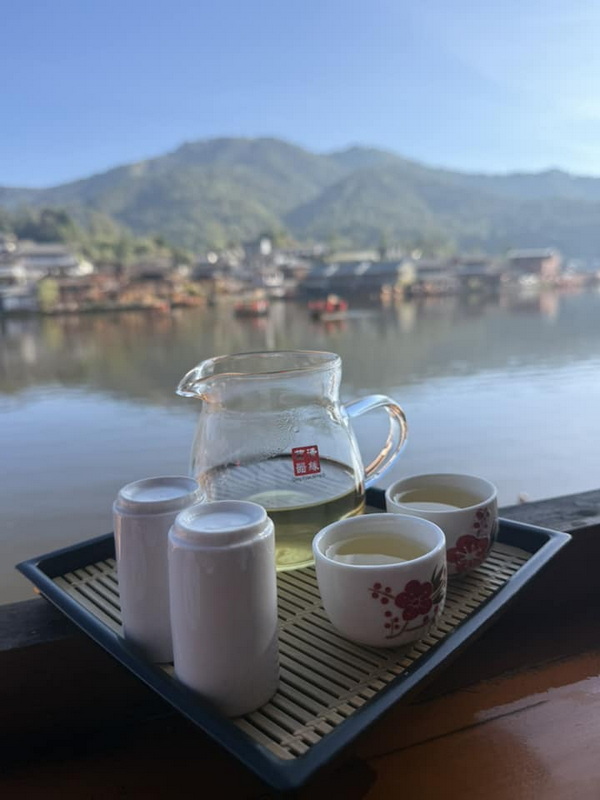
The name Baan Rak Thai is also encountered in travel descriptions, while Ban Rak Thai is the more common spelling in English-language references. For readers searching for Ban Rak Thai Mueang Mae Hong Son, that wording identifies the village within its district and helps distinguish it from similarly named places. The different spellings need not change the visitor experience; what matters is recognizing that the destination is a lived community with its own local context.
A respectful visit leaves room for ordinary activity to remain ordinary. Streets, homes, tea-related businesses, and views may all be part of the visitor experience, but not every person or private space is an attraction. Photography works best when it follows the public character of a scene and avoids turning residents into scenery. This approach also makes cultural interpretation more accurate: visitors notice how people use the place instead of expecting heritage to appear as a staged performance.
The village’s cultural value is consequently cumulative. A cup of tea, a roofline, a hillside path, or a view toward the lake may seem modest in isolation. Together they show how identity can be carried through food, agriculture, building styles, and the arrangement of a settlement. That layered reading gives Ban Rak Thai Thailand a stronger sense of place than a quick image-focused stop would reveal.
Why Ban Rak Thai Changes the Meaning of a Chiang Mai Road Journey
A road itinerary from Chiang Mai often brings together long stretches of mountain scenery, villages, and cultural sites. Ban Rak Thai contributes a particular kind of pause to that movement: its interest is concentrated in the connection between a lake, tea-growing slopes, and a community with a distinctive historical identity. This makes it useful within a regional route because the stop offers interpretation, not only a break in the drive.
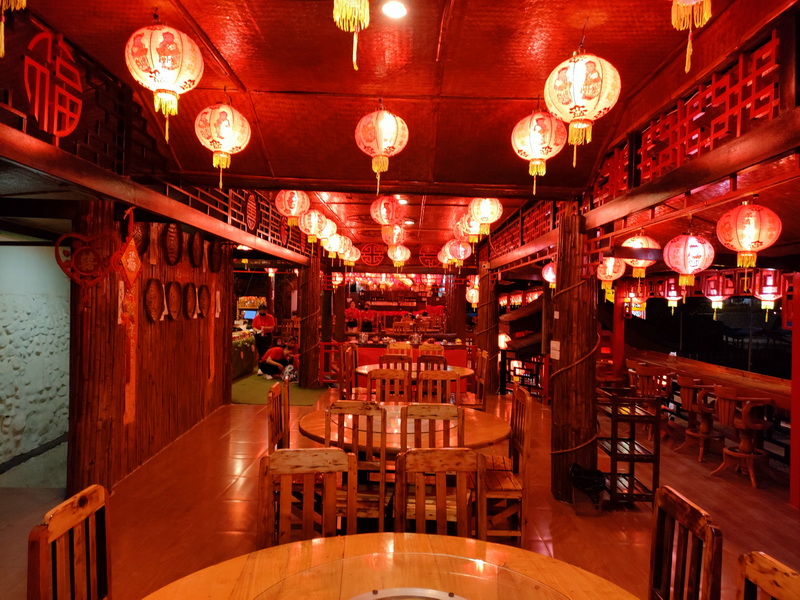
The phrase Mae Hong Son Loop Tour From Chiang Mai describes a route concept, not a promise that every itinerary follows the same pattern. Within that broader travel idea, Ban Rak Thai can appeal to visitors who want a destination where natural surroundings and cultural history are encountered in one compact setting. It may be especially rewarding for travelers who enjoy landscape photography, tea traditions, highland agriculture, or reading the character of a place through small details.
Its position in Mae Hong Son Province also adds geographical meaning. The province is known for mountainous terrain and dispersed communities, so travel between destinations becomes part of the experience of understanding the region. Ban Rak Thai presents one particular expression of that environment: a settlement shaped by hills, borderland history, cultivated land, and water. It should not be treated as a universal summary of the province, but it offers a memorable example of how regional life can take form in difficult terrain.
Planning a route around this idea changes the role of the stop. Instead of measuring its value only by the number of viewpoints or activities available, travelers can use the village to notice transitions: forest to tea garden, slope to lakeshore, private dwelling to public space, and daylight to mist. Those transitions are the destination’s central material. A visit can therefore feel substantial even when the itinerary leaves room for simple observation.
A Visit Built Around Attention, Not a Fixed Program
To Visit Ban Rak Thai is to encounter a place whose strongest qualities depend on conditions that cannot be arranged into a single guaranteed sequence. Light alters the lake, clouds soften the ridges, and agricultural landscapes look different as plants and weather change. This does not make the destination uncertain in a problematic sense; it makes environmental attention part of the experience.
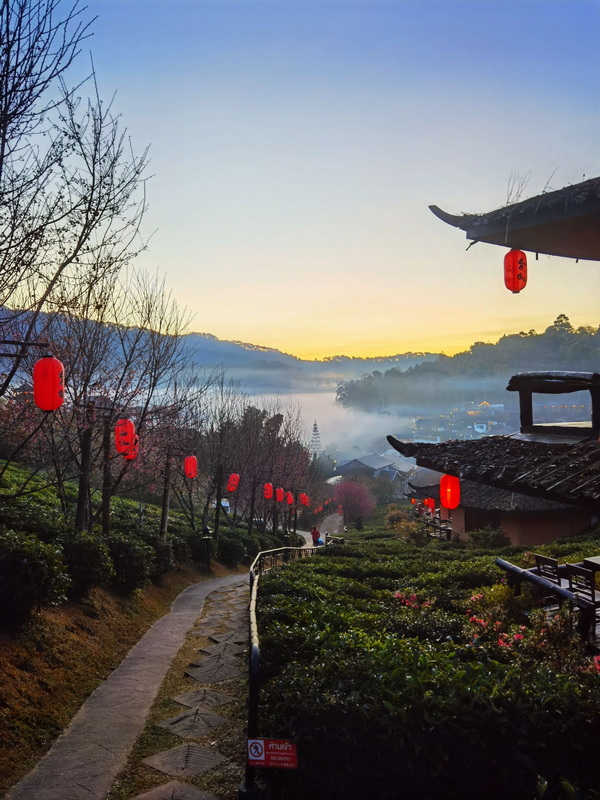
A useful rhythm begins with orientation. Look across the water, then turn toward the hills and notice how the village occupies the available ground. Follow the visual link between tea gardens and settlement. Consider which surfaces are public and which belong to residents. These simple acts create a fuller picture than moving from one photograph to the next, because they connect scenery with land use and community life.
Tea is another way into the place. Its value is not limited to drinking or purchasing a local product. Tea cultivation gives visitors a chance to think about altitude, slope, labor, and the movement of agricultural goods. When tea appears alongside Chinese-influenced food or design, it also helps show how culture is expressed through daily habits rather than preserved only in formal displays.
Visitors should allow local guidance to shape access to spaces and photography, particularly where public scenery meets homes or working areas. One short practical principle is enough: follow signs, local requests, and any guidance provided on site, since respectful access keeps the village’s everyday character intact. The main reward remains the destination itself—the interaction of water, gardens, ridges, and human settlement.
Two Further Windows on the Region
The lake and tea hills establish Ban Rak Thai’s central character; two nearby attractions can extend that regional reading without replacing the village’s own story.
Phu Klon
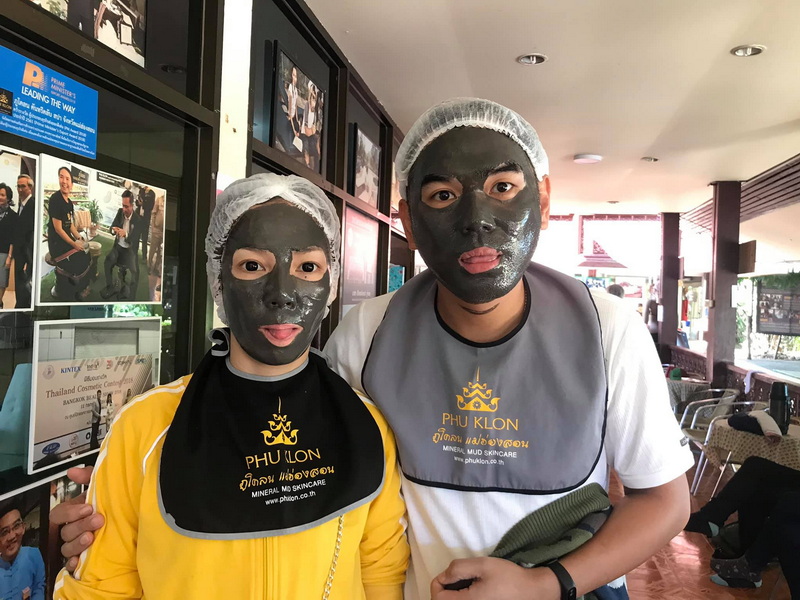
Phu Klon extends the regional experience through its association with natural surroundings and wellness-oriented visitor interest. Its presence on a wider Mae Hong Son itinerary gives travelers another way to encounter the province’s relationship with the land. Any mud or wellness activity should be approached according to the guidance available at the site, while the broader value lies in seeing how natural features can support a different form of travel experience from the lake-and-tea setting of Ban Rak Thai.
Ban Huay Pu Keng
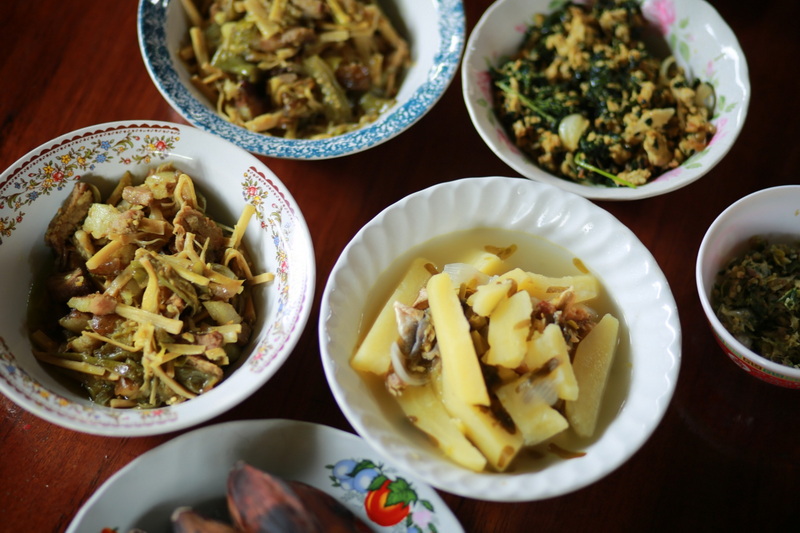
Ban Huay Pu Keng is another named nearby attraction that can broaden the cultural dimension of a regional visit. Its inclusion reminds travelers that Mae Hong Son travel is made up of distinct communities and places, not one interchangeable mountain backdrop. The most considerate approach is to let local context guide the visit and to treat community life as something encountered with attention, not as a performance arranged solely for passing visitors.
A Landscape That Keeps Revealing Its Connections
Ban Rak Thai leaves its clearest impression through relationships: water reflects the hills, tea cultivation gives the slopes a human pattern, and cultural memory remains visible in everyday surroundings. Weather continually edits the scene, while the community gives it meaning beyond its most recognizable view. That combination makes the village significant within Mae Hong Son Province and valuable as part of a longer northern Thailand journey. Its story is not finished at the lakeshore; it continues through the land that supplies the tea, the people who inhabit the settlement, and the nearby places that show other dimensions of the region. Visitors who notice those connections encounter Ban Rak Thai as a living highland environment, not a static image.



No comments:
Post a Comment