Ban Huai Kung and the Living Landscape of Karen Longneck Culture
A respectful look at village life, forest paths, cultural meaning, and sacred places in Mae Hong Son
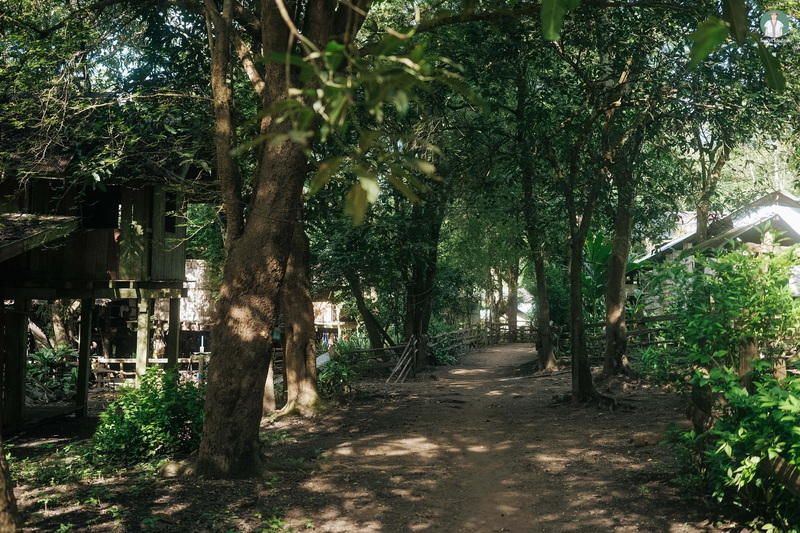
In the hills of Mae Hong Son, travel can become less about collecting viewpoints and more about learning how people, forests, rivers, and faith are connected. Ban Huai Kung is best approached in that spirit. Known through several spellings, including Baan Huai Kung, Huai Kung Village, and Ban Huay Kung, the settlement belongs to a cultural landscape where Karen communities and mountain environments are closely intertwined. The phrase Karen Longneck is often used in travel writing, but the people it describes should never be reduced to a costume, a photograph, or an unusual attraction. The brass coils associated with some Karen women are part of a living identity and personal choice, interpreted within family and community traditions. Visitors who come to Ban Huay Kung should therefore bring curiosity together with restraint: ask before photographing, listen rather than assume, and remember that residents are hosts and neighbors rather than displays. The surrounding paths also give the area a different kind of significance. Mae Hong Son Hill Tribe Trekking is not simply an outdoor activity here. Walking through forest and upland settlements can reveal how difficult terrain shapes movement, livelihoods, architecture, and local knowledge. The experience is strongest when cultural understanding remains as important as scenery.
Understanding Karen Longneck Identity Beyond the Image
The term Karen Longneck is widely recognized by travelers, yet it can oversimplify the diversity of Karen communities. Karen peoples have their own languages, histories, beliefs, craft traditions, family structures, and relationships with land. Not every Karen community follows the same customs, and not every individual shares the same relationship with the brass coils that visitors may associate with the phrase. A responsible account should leave room for that variety.
The coils are often described in simplistic ways, as though they lengthen the neck. In physical terms, their appearance is connected to the downward pressure of the coils around the shoulders and upper torso. More important for a visitor, however, is the reminder that cultural adornment carries meaning that cannot be fully understood from a quick explanation. It may relate to identity, heritage, beauty, family tradition, or personal preference, and those meanings are not identical for everyone.
At Ban Huai Kung Village, cultural sensitivity begins with ordinary behavior. A person wearing traditional adornment is not automatically offering a photograph or a conversation. Make eye contact, greet people appropriately when possible, and seek clear permission before taking pictures. Avoid touching clothing, jewelry, or household objects. Questions should be open and respectful, without asking residents to perform a stereotype or explain their identity for entertainment.
The most thoughtful visitor also notices everyday life beyond the visual symbol. Children attend to their own routines, adults work, families manage homes, and community members make decisions about how visitors are welcomed. Buying locally made goods when they are offered through fair, transparent channels can be more supportive than treating the visit as a free visual experience. The aim is reciprocal recognition, not an encounter built around surprise.
What the Trekking Environment Reveals
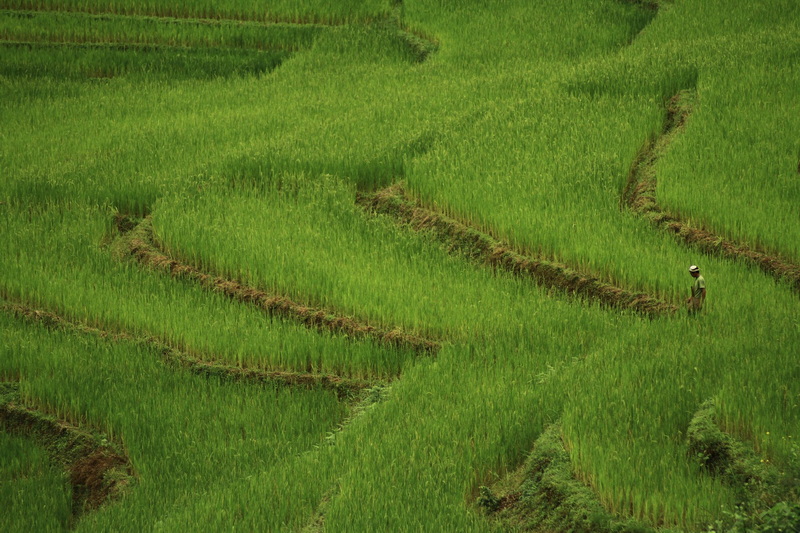
The terrain around Ban Huai Kung is shaped by northern Thailand’s mountain geography. Forested slopes, uneven ground, changing elevation, and rural paths create a walking environment that may feel very different from a town pavement or a maintained park trail. Depending on the season and recent weather, paths can be dusty, muddy, slippery, or softened by rain. Even a route that appears short on a map may require steady effort.
This is one reason Mae Hong Son Hill Tribe Trekking should be understood as an encounter with a landscape rather than a checklist of viewpoints. A walk may pass through shaded forest, open agricultural areas, streams, or village edges, with the character of the route changing as the terrain rises and falls. The forest is not empty scenery. It can provide food, materials, shade, water sources, and places of cultural importance, while cultivated land reflects generations of adaptation to mountain conditions.
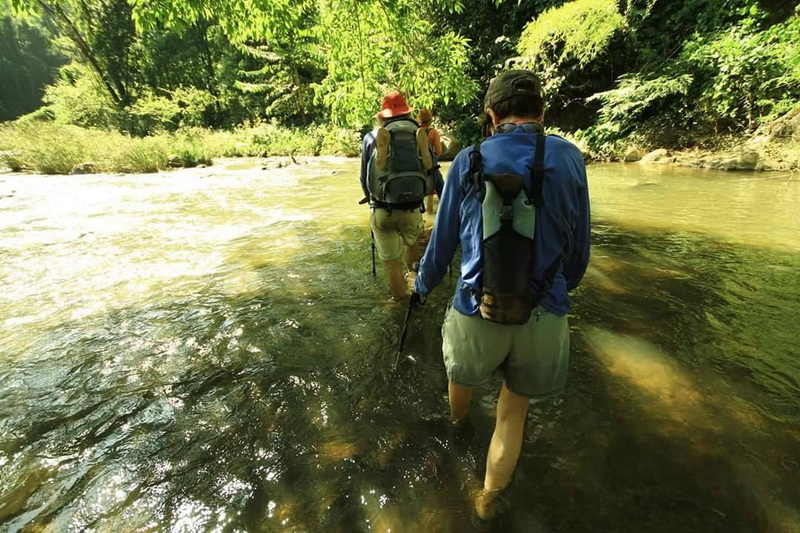
Travelers should prepare for heat, humidity, insects, and variable footing. Supportive shoes with reliable grip are more useful than fashionable footwear, and light clothing that covers the skin can help with sun, branches, and insects. Carrying drinking water and protecting essential belongings from sudden rain are sensible precautions. People who have knee, balance, or respiratory concerns should consider whether uneven hills and humid conditions are suitable for them.
Care for the path is part of care for the community. Stay on established routes where possible, do not remove plants or rocks, and carry rubbish out when disposal facilities are limited. Keep voices low near homes and spiritual places. Streams and forest edges deserve particular attention because discarded packaging, soap, or food waste can affect water and wildlife. The quieter the walk, the more likely it is that travelers will notice the landscape without overwhelming it.
Approaching Ban Huay Kung Village as a Living Community
Ban Huay Kung Village is not a frozen cultural exhibit. It is a place where people live, work, raise families, maintain relationships, and respond to contemporary pressures. Visitors may see elements that feel traditional alongside mobile phones, modern building materials, school responsibilities, and changing economic choices. These combinations are not contradictions. Living cultures change while retaining meaningful links to language, memory, ceremony, and place.
A village visit becomes more rewarding when observation is patient and specific. Notice how homes relate to paths and slopes, how work areas are organized, and how the settlement meets the surrounding forest. These details can provide a fuller understanding than focusing only on a single dress tradition. If residents share stories about weaving, farming, food, religion, or family history, listen without assuming that one person speaks for every Karen community.
Photography requires special care. Ask before photographing adults and children, and accept a refusal without pressing for an explanation. A camera should never be placed close to someone’s face without permission, particularly during religious or family events. Avoid photographing private interiors, ceremonies, or work without an invitation. When a photo is permitted, respectful distance and a natural moment are preferable to directing people into poses that make them feel like performers.
The same principle applies to conversation. Avoid questions that compare residents to an imagined past or treat poverty, clothing, or physical appearance as exotic. Questions about daily life, local crafts, environmental knowledge, and hopes for the future can open a more balanced exchange, provided the other person seems comfortable. Ethical travel is not silent observation; it is attentive participation guided by consent.
Why Sacred and Natural Places Belong in the Same Story
The cultural setting around Ban Huai Kung is easier to understand when sacred places and natural areas are considered together. A temple may express Buddhist devotion through architecture, images, and ritual space, while a forest may carry practical, ecological, and spiritual importance. These dimensions overlap in northern mountain communities, where geography influences both livelihood and religious imagination.
Visitors should use a calm manner at religious sites. Dress modestly, remove shoes where requested, and avoid loud conversation or intrusive photography. A shrine or temple is not merely a scenic stop between walks. It is a place where people pray, make merit, remember relatives, and maintain community ties. Reading the atmosphere before taking out a camera is often the simplest form of respect.
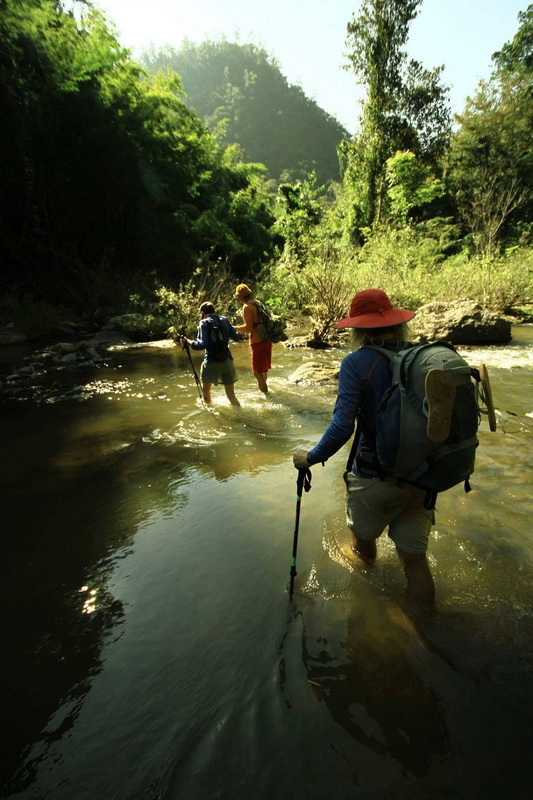
Natural areas require a similar awareness. A protected forest is not only a backdrop for trekking photographs; it is habitat and a resource that communities may know intimately. Travelers should avoid feeding wildlife, disturbing plants, lighting fires outside approved areas, or assuming that every stream and clearing is suitable for recreation. Local guidance about weather, wildlife, and sensitive areas should be taken seriously.
Nearby Attractions
Wat Phra That Chom Thong
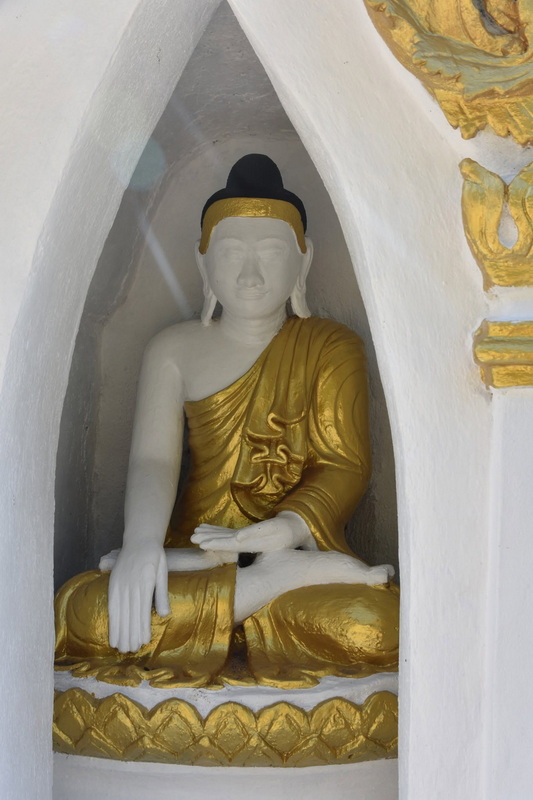
Wat Phra That Chom Thong adds a sacred and cultural dimension to time spent in the wider Mae Hong Son area. As a Buddhist place of worship, it is best approached with the same courtesy expected at any active temple: modest clothing, quiet behavior, and attention to signs or local requests. The setting can encourage a slower view of travel, shifting attention from physical scenery toward devotion, memory, and the role of religious places in community life.
For travelers interested in Ban Huai Kung, the temple offers useful context rather than a separate spectacle. A visit can prompt reflection on how mountain communities connect everyday routines with religious practice. Details such as the arrangement of worship spaces, offerings, and local visitors may be meaningful, but they should be observed without interrupting prayer or ceremony.
Salawin National Park
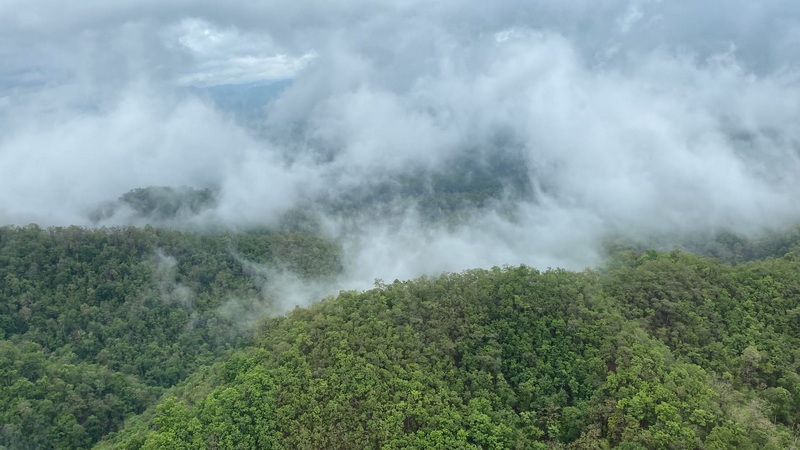
Salawin National Park represents the natural scale of the region, with protected forest landscapes associated with the Salawin River and the mountainous border area. Its importance lies in habitat, watersheds, scenery, and the protection of ecosystems that support many forms of life. Conditions in protected areas can vary, so visitors should rely on current local information and follow conservation rules rather than assuming that every area is open or suitable for independent exploration.
The park complements the cultural experience near Ban Huai Kung by showing that trekking takes place within a larger environmental story. Forests are not empty spaces between villages; they are connected to water, weather, wildlife, and human livelihoods. Travelers should keep to permitted routes, leave no rubbish, avoid collecting natural objects, and treat quiet forest areas as places deserving care rather than background for noisy recreation.
Where the Experience Leads Next
Ban Huai Kung rewards travelers who replace quick impressions with patience. Its significance rests not only in a recognizable cultural tradition or a forest walk, but in the relationship between people, place, belief, and changing everyday life. Respectful visitors ask permission, protect privacy, follow local guidance, and remain open to complexity. Seen this way, a journey through Ban Huay Kung Village and its surrounding hills becomes more than sightseeing: it is an opportunity to encounter a living community and landscape with humility.



No comments:
Post a Comment