Queen Cham Dhavi Monument and the Living Heritage of Lamphun
Read the Phra Nang Chamthewi Statue through Lamphun’s history, faith, and nearby cultural landmarks
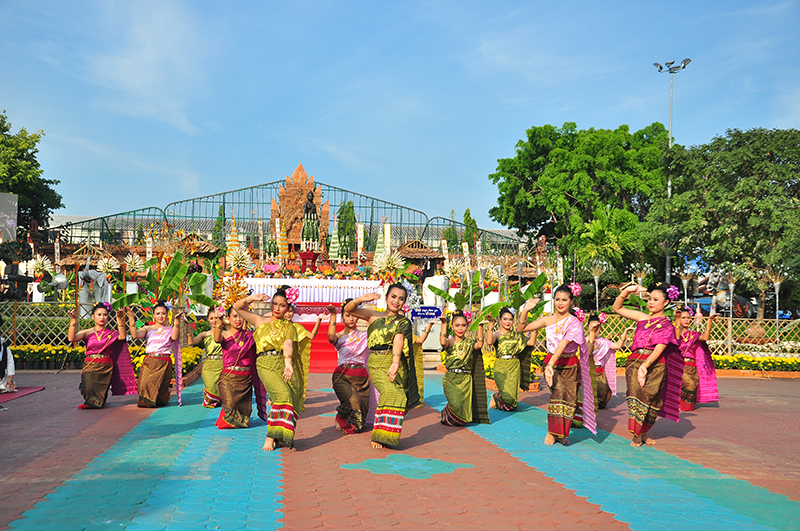
In Mueang Lamphun District, the Queen Cham Dhavi Monument offers more than a brief stop for a photograph. It provides a respectful starting point for understanding Queen Chamthewi, a figure closely associated with the origins and cultural memory of ancient Hariphunchai. The monument’s central image, often called the Phra Nang Chamthewi Statue, presents the queen as a dignified historical and cultural presence rather than simply a decorative landmark. For travelers interested in northern Thailand’s heritage, the statue also helps connect several layers of Lamphun’s identity. Local history, Buddhist traditions, royal symbolism, and contemporary remembrance meet around this site. A visit can therefore be approached as a quiet cultural experience, followed by time at nearby temples that preserve the region’s religious character. This focused guide considers the statue first, then places it within a broader selection of Lamphun Top Attractions. It also explains how a Chiang Mai Trip Package may provide a practical regional context for reaching Lamphun without reducing the visit to a rushed checklist.
The Phra Nang Chamthewi Statue as a Cultural Landmark
The Phra Nang Chamthewi Statue is the most visually direct expression of the monument’s purpose. Queen Chamthewi, also known as Queen Camadevi or Camadevi, is traditionally remembered as the founding ruler of Hariphunchai, the early Mon kingdom associated with present-day Lamphun. Historical traditions surrounding her combine written accounts, religious narratives, and local memory, so visitors may encounter different emphases when learning about her life and legacy.
The statue commonly presents the queen in formal royal attire and a composed posture. This visual language communicates authority, responsibility, and reverence. It is not intended merely to recreate a private individual’s appearance; it symbolizes the role attributed to her in establishing a political and religious center in the Lamphun area. For many local people, the monument is part of an ongoing relationship with the past rather than an isolated museum object.
Visitors should observe the site with the same consideration given to other places connected with Buddhist and local traditions. Appropriate clothing, a quiet manner, and care around worshippers or offerings help preserve the dignity of the setting. The cultural importance of the Chamthewi Statue lies partly in this continuing public respect. Its meaning is renewed through remembrance, ceremonial attention, and the stories shared across generations.
From Queen Camadevi to Lamphun’s Regional Identity
Queen Camadevi’s importance extends beyond the monument itself. In the traditional history of Hariphunchai, she represents the formation of a stable kingdom and the transmission of political and Buddhist culture into the area. Lamphun later developed through many historical periods, but memories of the queen remain an important part of how the city describes its origins. The Camadevi Monument therefore works as a point of orientation for visitors trying to understand why Lamphun holds such a distinctive place in northern Thailand.
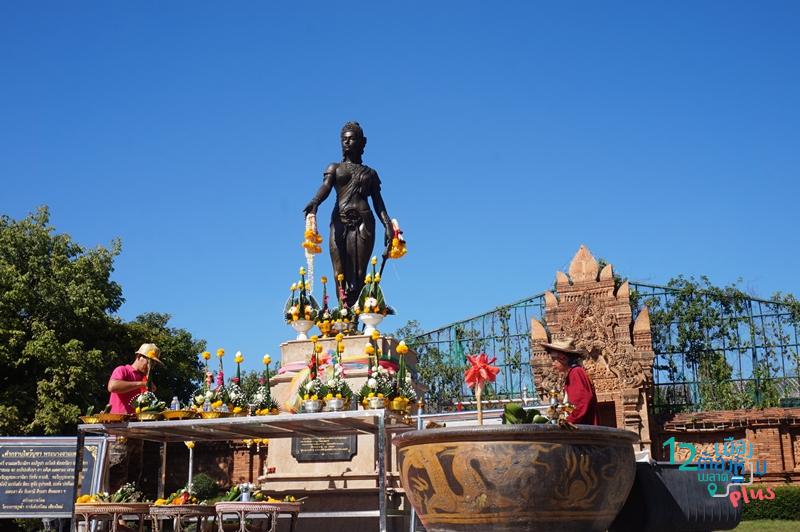
The story should be approached with historical awareness. Traditional narratives are valuable sources of cultural identity, while some details may not be verifiable in the same way as modern documentary records. A thoughtful visitor can appreciate the queen’s symbolic role without treating every story as a literal, complete biography. This balance allows the monument to be understood both as a historical reference and as a living expression of local belief and pride.
Looking at the statue in this context also changes the pace of a visit. Rather than asking only when the monument was built or how long a stop should take, travelers can consider what the image communicates about leadership, community memory, and the relationship between political history and religious life. These questions make the Queen Cham Dhavi Monument especially meaningful for culture-focused visitors.
Placing the Monument Among Lamphun Top Attractions
The monument is best understood as one part of a wider heritage landscape. Lamphun is known for its old temples, Lanna and Hariphunchai connections, and a quieter atmosphere than the larger urban center of Chiang Mai. Its attractions reward visitors who are willing to notice architectural details, local devotional practices, and the relationship between historic places and the modern town around them.
Among the Lamphun Top Attractions, the Queen Cham Dhavi Monument has a particularly accessible historical focus: it introduces a named figure and a founding narrative. Other sites place greater emphasis on relics, temple architecture, monastic traditions, or later religious teachers. Seeing several kinds of landmarks together gives a fuller impression of the province. The region’s heritage is not represented by one period or one building style alone.
A useful way to explore is to pause at the monument and identify the themes that appear elsewhere: royal patronage, Buddhist devotion, protective symbolism, and the preservation of local memory. Travelers need not turn the visit into a detailed itinerary to benefit from this approach. Even a short cultural outing can become more coherent when each stop is considered as part of Lamphun’s continuing story.
How a Chiang Mai Trip Package Can Include Lamphun
Lamphun’s proximity to Chiang Mai makes it a natural cultural extension for travelers basing their northern Thailand plans around Chiang Mai. A Chiang Mai Trip Package may frame the province as a day visit or as one regional stop among several, depending on the traveler’s interests and the arrangements offered by a provider. The important point is to confirm that the plan allows enough time for respectful temple visits rather than treating Lamphun as a passing photo opportunity.
When comparing travel options, culture-focused visitors can look for clear information about transport, time at heritage sites, and whether the program includes interpretation. It is also reasonable to ask how religious places are approached, especially when worship or local ceremonies may be taking place. Package travel can simplify regional movement, while independent travelers may prefer to shape their own pace. Neither approach is automatically more meaningful; the quality of attention matters more than the format.
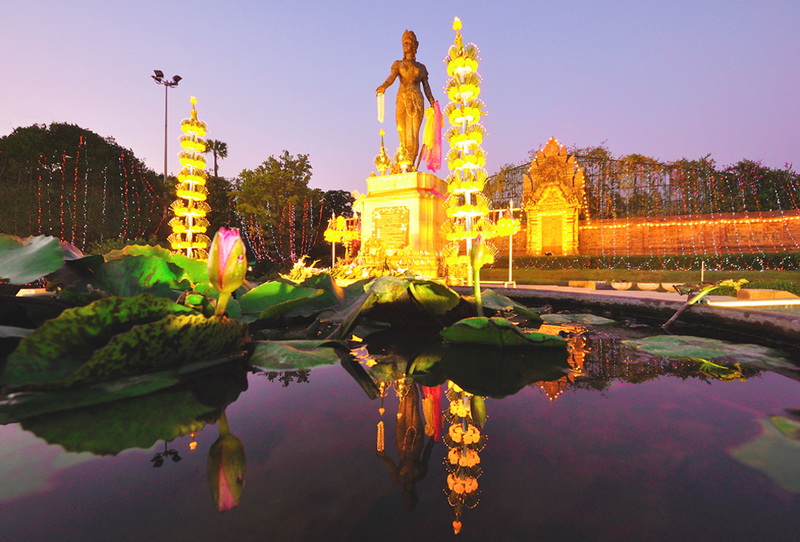
The phrase Chiang Mai Trip Package should not imply that Lamphun is merely an accessory to Chiang Mai. Lamphun has its own historical character and deserves to be presented on its own terms. Using Chiang Mai as a travel base can be convenient, but the cultural focus should remain on Lamphun’s people, places, and traditions. This perspective supports more responsible tourism and encourages visitors to spend time listening and observing.
What to Notice During a Thoughtful Visit
Begin by observing the statue’s posture, clothing, and surrounding arrangement before turning to written explanations or taking photographs. Royal imagery often conveys ideas through stillness and formal presentation. The queen’s composed appearance can be read as a symbol of leadership and guardianship, while the setting indicates how public memory is organized around a respected figure. These details are most useful when viewed as cultural signs rather than judged only by artistic realism.
Notice also the difference between a monument designed for civic remembrance and a temple image intended for worship. The boundaries may overlap in Thailand, and visitors should avoid assuming that every statue has the same religious function. People may come to pay respect, make offerings, seek blessings, learn about history, or simply acknowledge an important local figure. Observing quietly provides a better understanding than imposing a single interpretation.
Photography should remain secondary to awareness of the place. Avoid obstructing ceremonies, touching offerings, or placing personal items where they do not belong. If local visitors are praying, give them space. Such simple conduct reflects the monument’s status as living heritage. The Queen Camadevi tradition continues not only through books and statues, but through the respectful actions of people who maintain a connection with it.
Nearby Attractions
Wat Chamadevi
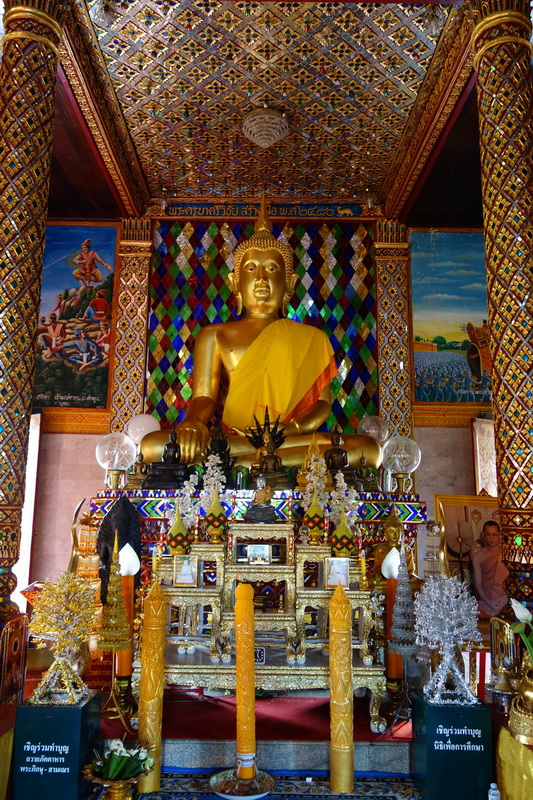
Wat Chamadevi is an essential companion to a visit focused on Queen Cham Dhavi. The temple is strongly associated with Lamphun’s Hariphunchai heritage and is recognized for its distinctive historic chedi and long-standing Buddhist importance. Its architecture provides a different way to encounter the same broad cultural world represented symbolically by the monument.
Visitors should take time to look at the structure, observe the temple grounds, and consider how religious buildings preserve memory through design and ritual. Wat Chamadevi remains a living sacred place, so respectful clothing and conduct are appropriate. The visit becomes especially rewarding when the temple is approached not only as an old monument, but as a place where devotion continues in the present.
Wat San Pa Yang Luang
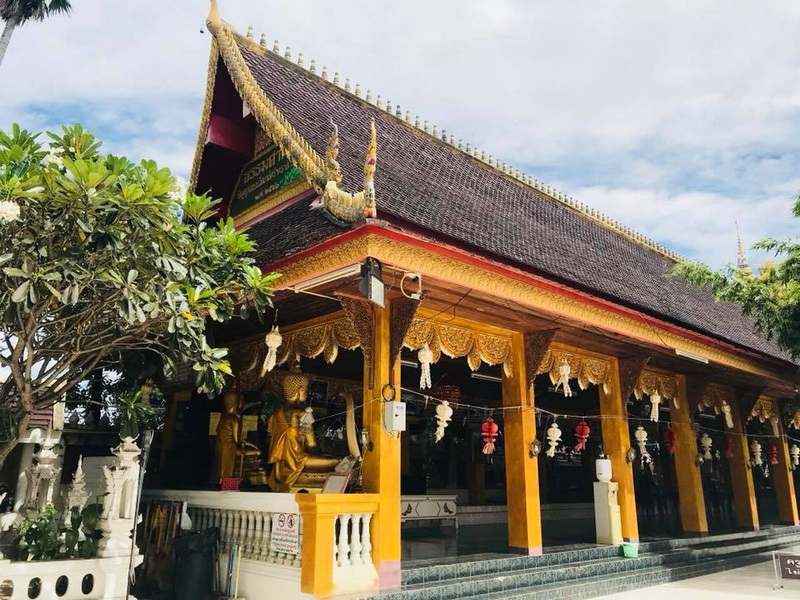
Wat San Pa Yang Luang adds another dimension to a Lamphun heritage visit through its temple setting and northern Thai Buddhist atmosphere. The site can help travelers appreciate that the region’s cultural identity is expressed across multiple religious places, not only through royal stories or famous monuments. Architectural details and decorative elements may invite slower observation than a quick sightseeing stop allows.
As at other active temples, visitors should remain sensitive to worshippers and local customs. The value of including Wat San Pa Yang Luang is the contrast it offers: after considering Queen Chamthewi as a figure of regional origins, travelers can turn their attention to the continuing religious life that shapes Lamphun today. Together, the sites create a more balanced impression of heritage, linking history with present-day practice.
Where the Experience Leads Next
The Queen Cham Dhavi Monument offers a concise but powerful introduction to Lamphun’s cultural memory. Through the Phra Nang Chamthewi Statue, visitors encounter Queen Camadevi as a symbol of leadership, origins, and continuing local respect. Nearby Wat Chamadevi and Wat San Pa Yang Luang broaden that understanding by showing how history remains connected to living Buddhist traditions. Whether reached independently or through a Chiang Mai Trip Package, the visit is most rewarding when approached with patience, humility, and curiosity. Lamphun’s heritage does not need to be hurried; its meaning becomes clearer when travelers allow its stories, sacred spaces, and local character to stand together.


No comments:
Post a Comment