Pong Dueat Hot Spring Day Trip from Chiang Mai
A practical nature itinerary linking steaming pools, forest trails, and the wider Mae Hong Son route
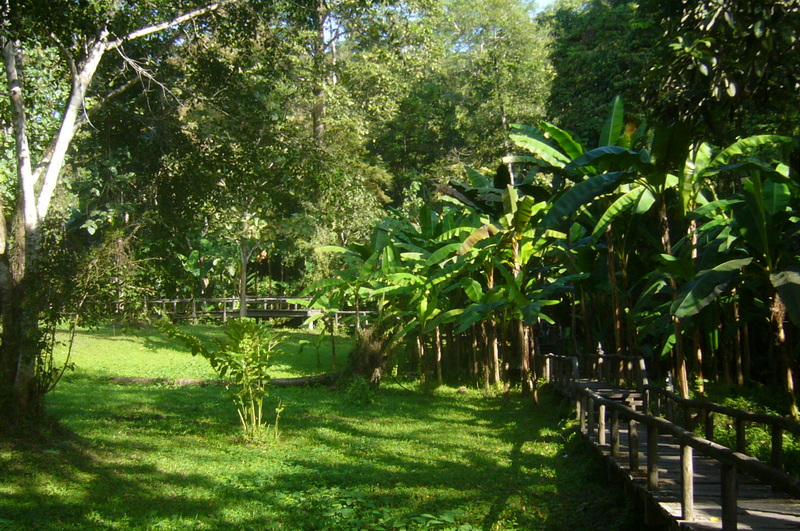
A visit to Pong Dueat Hot Spring works best as a journey through Chiang Mai’s northern landscape rather than as a quick stop beside the road. Located in Mae Taeng District, the site combines a forested setting with naturally heated water and geothermal activity, making it a rewarding choice for travelers who want scenery as well as a soak. The experience can be shaped into a focused outing or used as the first nature-rich section of a longer regional trip. For a Chiang Mai Hot Springs Day Trip, the most useful approach is to plan by pace. A morning departure leaves room to walk through the hot spring area, observe the steaming ground and bubbling water, and continue toward another attraction. Travelers following a broader Mae Hong Son route can treat the spring as an early landscape experience before the mountain roads become the main feature of the journey. This guide follows that progression, from the spring itself to practical ways of combining it with nearby points of interest.
Begin with the landscape at Pong Dueat
Pong Dueat Hot Spring is known for its natural geothermal activity in a wooded part of Mae Taeng District. The attraction is often associated with the name Pong Dueat Geyser because hot water and steam emerge from the ground in an active-looking display. Rather than imagining a single spa pool, visitors should expect a natural hot spring environment where the surrounding vegetation, thermal features, and walking areas are all part of the experience.
The heat comes from water moving through warm underground layers before returning toward the surface. That process gives the site its distinctive atmosphere: humid air, mineral-smelling water, and patches of steam that contrast with the cooler forest around them. Conditions can look different depending on rainfall, temperature, and the time of day, so the spring is best appreciated as a living landscape rather than a fixed scenic viewpoint.
A walk around the area allows time to notice small details that can be missed on a rushed schedule. Keep to marked paths, follow any safety instructions, and avoid touching water or ground that appears unusually hot. Natural thermal areas can have uneven surfaces and sudden heat, so observation is more appropriate than exploration beyond designated spaces. Visitors should also leave plants, rocks, and other natural features undisturbed.
Shape a flexible Chiang Mai hot spring itinerary
A practical day can begin with travel from Chiang Mai toward Mae Taeng, followed by a measured visit to the spring. Allow enough time for the journey, orientation, a walk through the thermal area, and a pause to enjoy the forest setting. The exact travel duration depends on the starting point, traffic, road conditions, and transport arrangement, so it is wiser to build the itinerary around generous time blocks instead of promising a precise schedule.
After the hot spring, travelers have several ways to continue. A nature-focused plan can add one nearby attraction before returning to Chiang Mai. A slower plan can spend longer at Pong Dueat Pa Pae, take breaks during the drive, and avoid trying to collect too many stops. For a first visit, this balanced approach usually creates a more comfortable day than combining every available sight in the northern countryside.
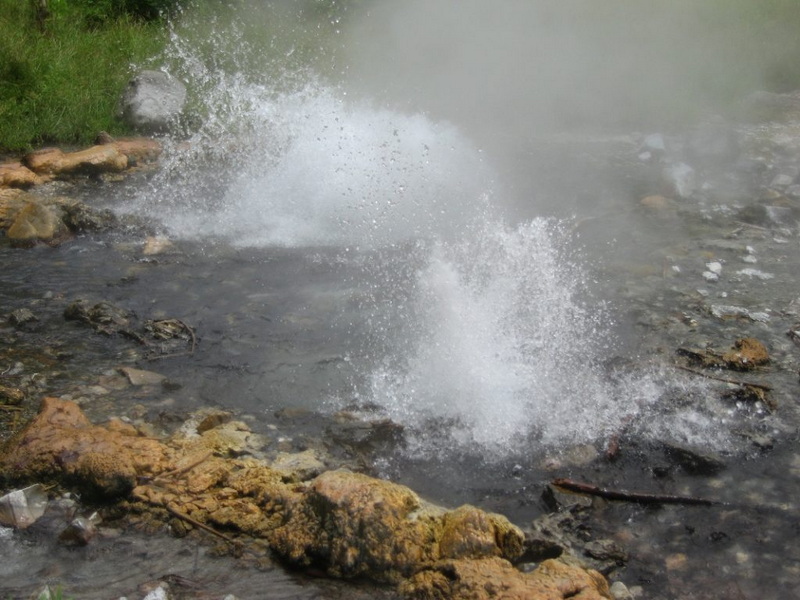
Pack drinking water, sun protection, comfortable walking shoes, and a light change of clothing if you intend to use a bathing area where available. Modest, practical clothing is useful in a natural public setting, and towels or personal bathing items should not be assumed to be provided. Check current local conditions before leaving, especially during periods of heavy rain, because access, trail surfaces, and visitor arrangements can change.
The spring can also be a good choice for travelers who prefer a private vehicle or a customized day arrangement. Drivers should allow extra attention on rural and winding roads, while passengers can use the journey to watch the landscape shift from urban outskirts to agricultural land and forest. The value of the outing is not only the destination; it is the gradual change in scenery along the way.
Connect the spring with the Mae Hong Son journey
Searches for a Mae Hong Son Loop Tour From Chiang Mai often describe a multi-day journey through mountain scenery, villages, viewpoints, and northern districts. Pong Dueat Pa Pae Hot Spring fits naturally into that regional context because it lies in a direction associated with travel toward Pai and the Mae Hong Son area. It should be treated as one possible nature stop along a broader route, not as evidence that a complete loop can be covered comfortably in one day.
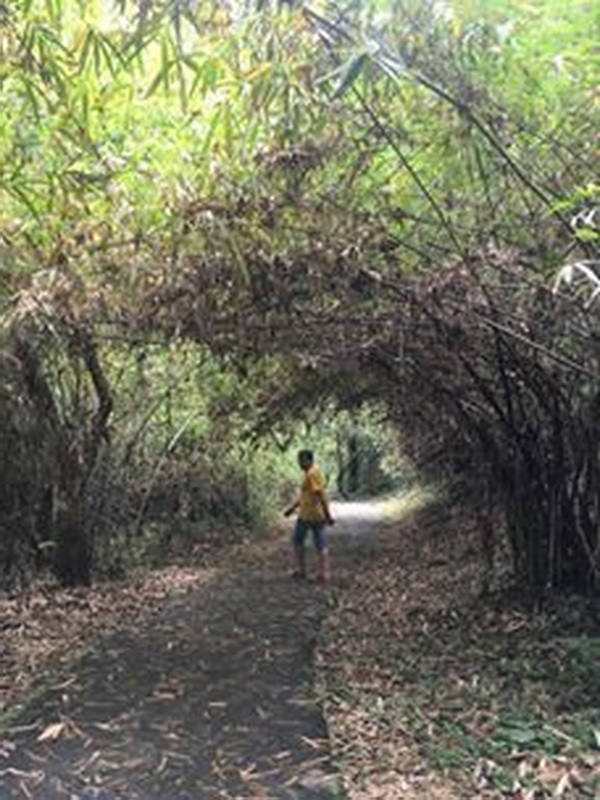
The main planning decision is whether the spring is the day’s destination or an early stop on a longer overland itinerary. For a dedicated outing, travelers can return to Chiang Mai after visiting the thermal area and one nearby attraction. For a multi-day route, the spring can provide a gentle opening before longer drives through mountain roads. The second option requires more careful planning around road conditions, rest breaks, vehicle arrangements, and the time needed at later destinations.
A Chiang Mai to Mae Hong Son journey is substantially different from a short excursion to the spring. Distances, curves, weather, and changing road conditions can affect how much sightseeing is realistic. Travelers prone to motion sickness may want to prepare before the drive, while anyone hiring a driver should discuss the intended route clearly. It is also respectful to avoid treating rural communities as scenery; pass through thoughtfully, follow local rules, and ask before photographing people or private places.
This regional perspective helps explain why the hot spring is valuable in an itinerary. It introduces the northern landscape at a manageable scale, then leaves travelers with a choice: return for a compact nature day or continue gradually toward the larger Mae Hong Son travel experience. Either plan benefits from flexibility rather than an overloaded list of stops.
Prepare for a respectful visit
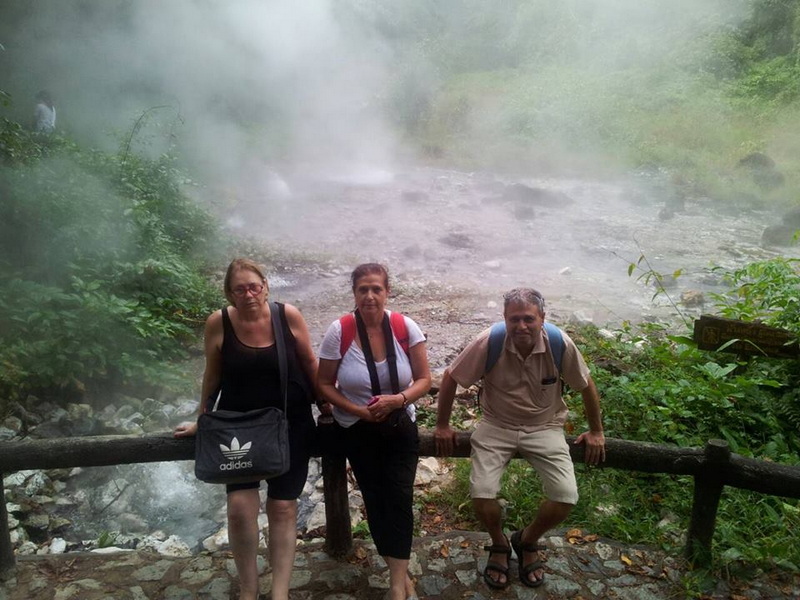
The most reliable Pong Dueat Pa Pae Hot Spring Travel Guide is one that combines curiosity with restraint. Thermal water can be hazardous at its hottest points, and a natural setting may include slippery paths, insects, uneven ground, and changing weather. Read signs, obey barriers, and use only areas clearly intended for visitors. If bathing is permitted in a particular section, keep the visit considerate and avoid occupying shared facilities for an excessive length of time.
Timing also influences the mood of the visit. Earlier hours may offer cooler surrounding air and a quieter start, while later conditions can feel warmer around the thermal features. No time guarantees a particular level of crowding or visibility, so the best choice depends on the rest of the route. A flexible departure gives travelers more room to pause, take photographs without blocking paths, and respond to changing conditions.
Environmental care is especially important in a geothermal landscape. Carry rubbish out when disposal facilities are limited, avoid soap or other products in natural water, and do not remove mineral deposits, stones, plants, or other features. Keep voices moderate in forested areas and remember that the site is part of a local environment, not merely a backdrop for a checklist. These simple habits help protect the character that makes a visit worthwhile.
Those planning to Visit Pong Dueat Pa Pae Hot Spring should verify current access information through reliable local or official sources before setting out. Opening arrangements, bathing access, weather-related conditions, and road situations may change. Confirming practical details in advance makes it easier to enjoy the natural highlights without relying on assumptions.
Two Ways to Extend the Nature Day
Once the thermal landscape has set the pace, the surrounding region offers two contrasting additions. One follows water through the forest, while the other invites careful consideration of responsible wildlife tourism.
Mok Fa Waterfall
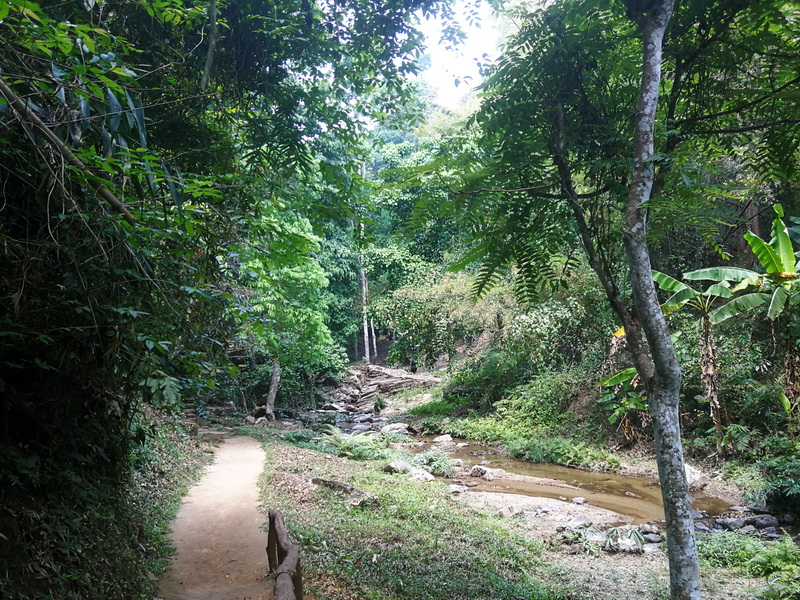
Mok Fa Waterfall can extend the itinerary with a different expression of northern Thailand’s water landscape. While Pong Dueat Pa Pae Hot Spring draws attention to heat rising from underground, the waterfall offers the sound and movement of flowing water in a forest setting. The contrast makes the two places a natural pairing for travelers who want variety during a day in Mae Taeng District.
Treat the waterfall as a separate stop that requires its own time and conditions check. Paths can be damp or uneven, and heavy rain may affect stream levels and trail comfort. Wear shoes suited to walking, keep clear of slippery edges, and follow local guidance about swimming or approaching the falls. A short visit can still be rewarding if the route is busy with other plans; there is no need to force a long stay.
Kanta Elephant Sanctuary
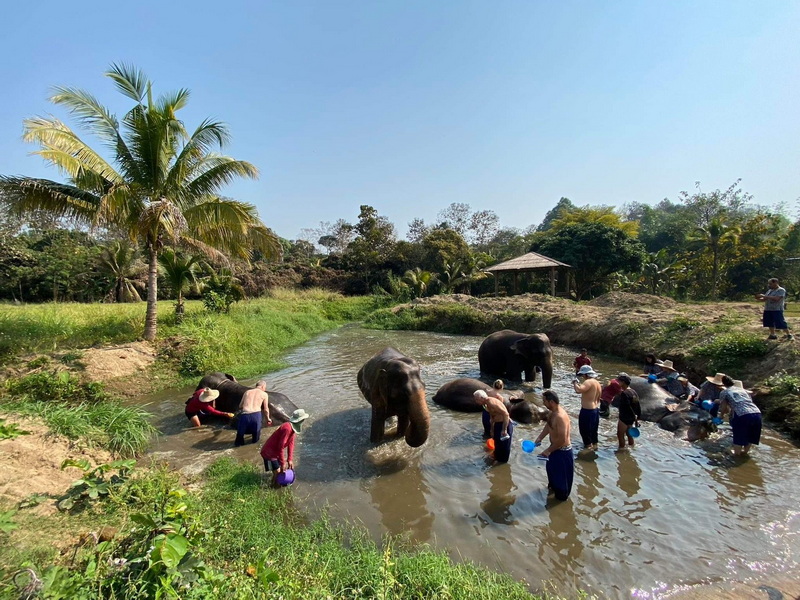
Kanta Elephant Sanctuary may be considered by travelers who want to add an animal-welfare-focused experience to a northern Chiang Mai itinerary. Because elephant venues differ in their programs and standards, visitors should review the sanctuary’s current policies directly and look for clear commitments to respectful care, limited visitor pressure, and safety for both animals and people. Do not assume that every advertised activity is available on every date.
If included, allow the sanctuary visit to remain a distinct part of the day rather than squeezing it between rushed stops. Follow staff instructions, maintain an appropriate distance, and avoid feeding or touching animals unless the current guidelines explicitly permit it. Pairing a responsible visit with the hot spring can create a fuller itinerary, but the welfare of the animals and the integrity of the natural site should take priority over completing a fixed checklist.
Choose the Journey That Matches Your Pace
Pong Dueat Hot Spring is most rewarding when given enough time to be observed rather than hurried through. It can anchor a focused day from Chiang Mai, introduce a longer northern road journey, or sit between a waterfall visit and a carefully chosen sanctuary experience. Build around realistic travel time, check current conditions, and keep the natural setting at the center of the plan. With that approach, the spring becomes more than a stop for warm water: it becomes a calm starting point for understanding the landscapes beyond Chiang Mai.



No comments:
Post a Comment