Wat Kam Ko and the Cultural Routes of Mae Hong Son Province
A thoughtful regional guide to temple visits, loop routes, mountain scenery, and respectful travel around Mae Hong Son
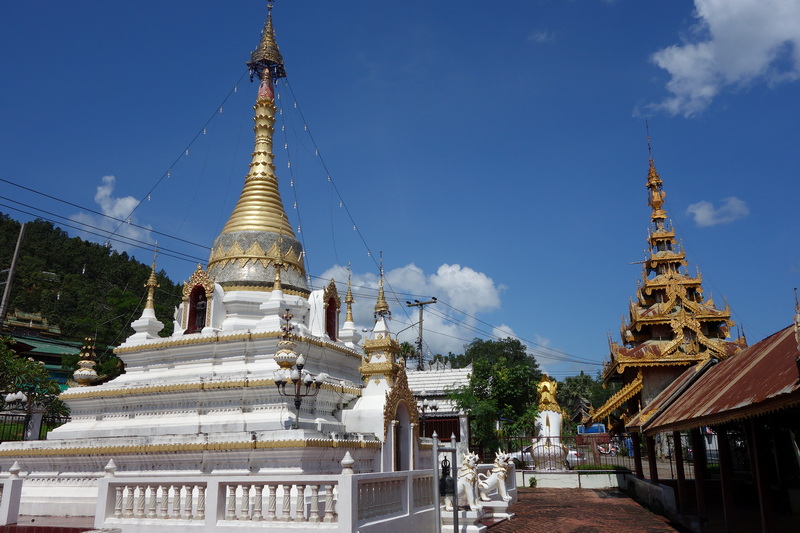
Mae Hong Son Province rewards travelers who allow time for places that are quieter than the region’s best-known viewpoints. Set within Mueang Mae Hong Son District, Wat Kam Ko offers that kind of pause. Rather than treating the temple as an isolated stop, visitors can understand it as part of a cultural landscape shaped by Buddhist practice, local history, mountain geography, and connections between communities in northern Thailand. A visit to Wat Kam Ko can fit naturally into a wider journey from Chiang Mai. The road through the province is often experienced as a loop, linking mountain towns and Mae Hong Son’s distinctive cultural sights rather than following a simple out-and-back route. This makes the temple suitable for travelers who want regional context as well as a photograph or a brief stop. This guide focuses on how Kamko Temple fits into that broader journey. It considers the character of the temple, the value of traveling through Mae Hong Son as a cultural region, and two nearby experiences that can complement a visit: Pha Bong Hot Spring and Wat Phra That Doi Kong Mu. The emphasis is on observation, planning, and respectful behavior rather than a fixed itinerary.
Mae Hong Son as a Cultural Travel Region
Mae Hong Son is known for a landscape of mountains, valleys, and dispersed communities. Its distance from major urban centers has helped preserve a travel atmosphere that feels less hurried than Thailand’s busiest destinations. For many visitors, the appeal is not one single landmark but the way temples, settlements, scenic roads, markets, and natural areas are encountered across the province.
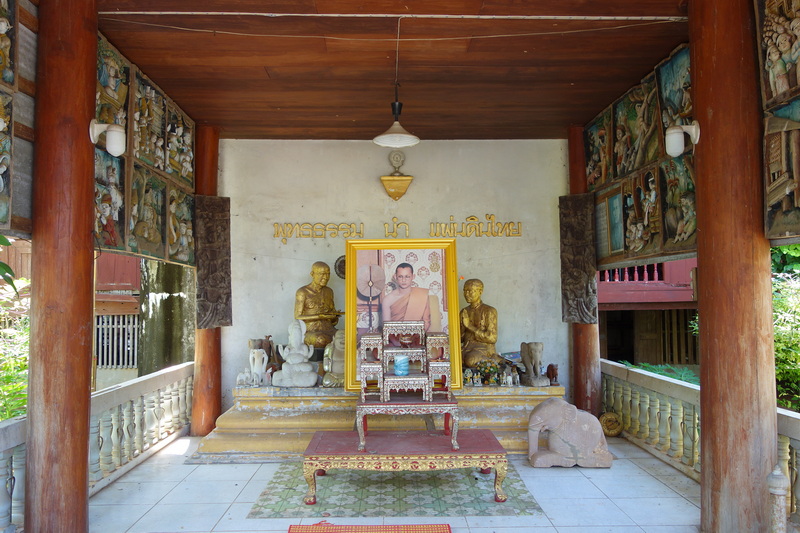
The region also reflects several layers of northern Thai and Tai cultural history. Buddhist temples are important places of worship, community identity, and continuity, so they should not be approached only as decorative monuments. Architecture, religious images, prayer spaces, and everyday activity may all carry meaning that is not immediately apparent to a first-time visitor. Looking carefully and avoiding assumptions is often more rewarding than trying to reduce every feature to a simple tourist label.
Wat Kam Ko belongs within this wider setting. The temple provides a more focused cultural stop while the surrounding province supplies the geographical and historical context. Travelers who visit with patience can notice how a temple experience differs from a viewpoint or a natural attraction: the purpose is not only to see, but also to share space respectfully with people who may be visiting for worship or local activities.
Understanding the Mae Hong Son Loop Tour From Chiang Mai
The Mae Hong Son Loop Tour From Chiang Mai is best understood as a regional travel concept rather than one universal package. Travelers may follow different directions, use different transport arrangements, and devote different amounts of time to mountain towns and Mae Hong Son itself. The common idea is a circular journey through northern landscapes, allowing the route to include both the approach to the province and the experiences within it.
For a culture-focused traveler, the main advantage of a loop is variety. A journey can combine temple visits with changing scenery, village landscapes, natural areas, and periods of rest. This rhythm is especially useful in Mae Hong Son, where the character of the destination develops gradually. A rushed transfer may cover distance, but a slower route gives visitors more opportunity to understand why the province attracts travelers seeking regional atmosphere.
When planning, it is sensible to confirm current road conditions, travel times, seasonal weather, and the amount of walking involved. Mountain roads can make a short distance feel longer, and weather may influence comfort and visibility. Travelers should also distinguish between a route outline and a guaranteed schedule: tour operators and private drivers may structure the journey differently, while independent visitors can adjust their pace according to interests and conditions.
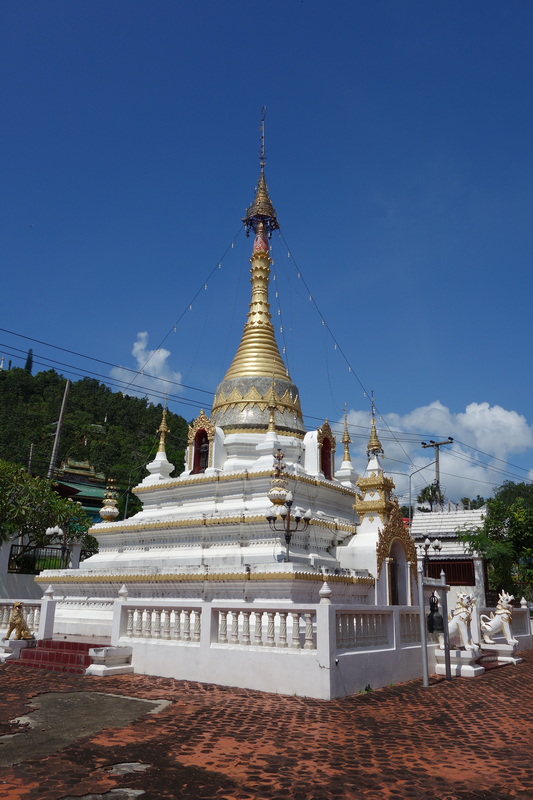
Wat Kam Ko works well as part of a town-based cultural day or as one element within a broader loop. It does not need to carry the entire journey. Giving the temple a defined place in the route, while leaving room for nearby sights and unplanned observation, can produce a more balanced experience than collecting attractions as quickly as possible.
Reading Wat Kam Ko with Care
Wat Kam Ko is a Buddhist temple in Mueang Mae Hong Son District, and its significance is connected to the religious and cultural life of the local area. The name also appears in several forms, including Kamko Temple and Wat Kamko. These variations can be useful when comparing maps, travel notes, or regional descriptions, but the central point remains the same: this is a place of worship as well as a heritage sight.
Visitors may be drawn to the temple’s regional character and the way it contributes to Mae Hong Son’s distinctive cultural profile. The province is associated with strong Tai Yai, also called Shan, influences, and temples in the area can help travelers recognize that northern Thailand contains diverse local traditions. It is better to view this influence as part of a living cultural environment than as an exotic visual theme. Religious buildings continue to matter to residents, and their importance is not limited to tourism.
A considerate visit begins with observing the entrance and the behavior of people already using the grounds. Dress that covers the shoulders and knees is a practical choice, particularly when entering a religious building. Speak quietly, avoid interrupting ceremonies or prayer, and follow signs or local instructions about footwear and restricted areas. Photography should never take priority over worship, and people should not be photographed closely without consent.
Travelers researching Wat Kam Ko Mae Hong Son or Wat Kam Ko Mueang Mae Hong Son may find varying descriptions of the site. This is a useful reminder to treat online labels carefully and confirm the temple’s location before setting out. Once there, attention to the actual surroundings is more valuable than expecting a particular image from a guide. The temple’s atmosphere, relationship to the town, and place in a wider route are central to its appeal.
Building a More Meaningful Regional Route
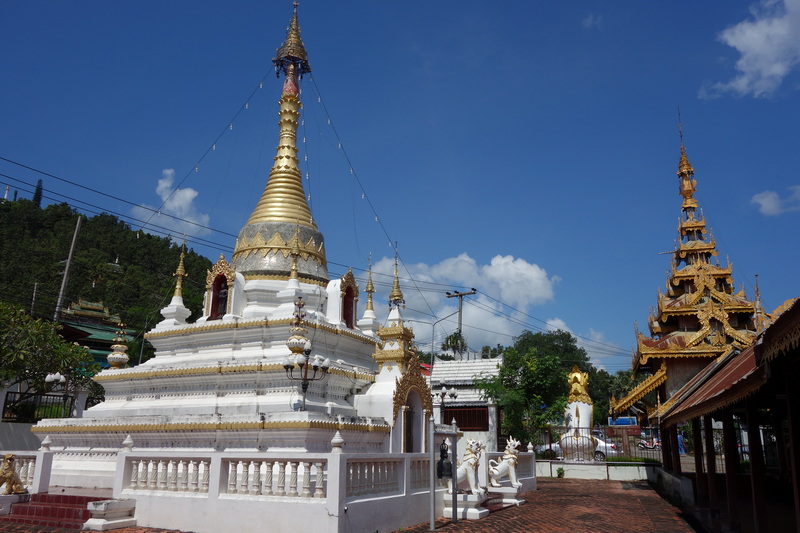
A useful way to plan a visit is to group experiences by character rather than by distance alone. Wat Kam Ko can represent the cultural and spiritual dimension of the journey. A nearby natural stop can provide a change of pace, while a hilltop temple or viewpoint can help explain the geography of Mae Hong Son. This approach keeps the day varied without making every stop compete for attention.
Travelers joining an organized route should ask how much time is intended for temple visits and whether the plan allows for quiet observation. Those arranging a private journey can communicate that cultural sites matter to them, while still remaining flexible about weather and road conditions. Independent visitors may prefer to build a loose sequence and confirm local access as they go. In all cases, the most reliable plans leave margins for meals, rest, traffic, and the slower pace of mountain travel.
The best route is also one that respects local rhythms. Some travelers arrive expecting every attraction to operate like a formal museum, but temples are not simply display spaces. A courtyard may be used for community purposes, a religious building may have rules that are not obvious from outside, and a quiet period may be part of the normal atmosphere. Patience, modest clothing, and a willingness to ask politely can prevent misunderstandings.
Seen this way, a journey featuring Wat Kam Ko is less about completing a checklist and more about connecting places. The temple introduces cultural context; the road reveals the province’s terrain; and nearby attractions offer different ways to appreciate the same region. That combination is particularly suitable for travelers who want their Mae Hong Son experience to feel grounded rather than hurried.
Nearby Attractions
Pha Bong Hot Spring
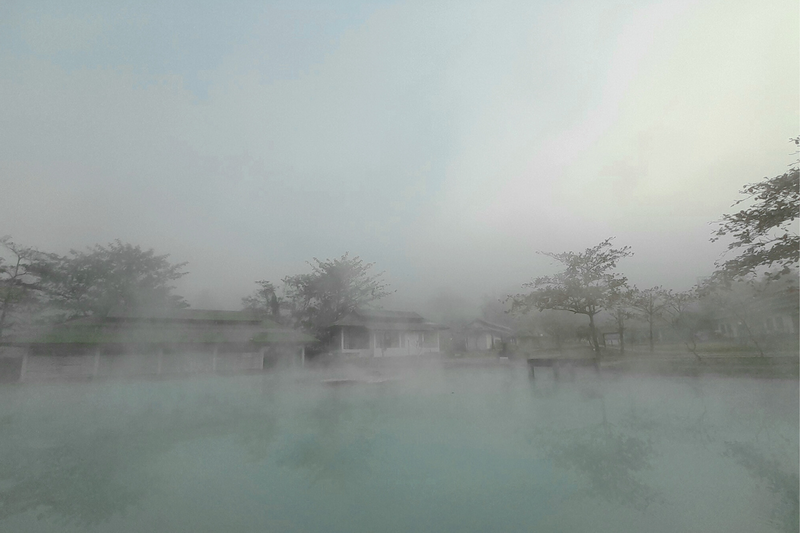
Pha Bong Hot Spring offers a natural counterpoint to a temple visit. Hot springs can be appreciated as places to pause, observe the local landscape, and experience a different aspect of the province’s environment. Conditions and visitor facilities may vary, so travelers should check current information and follow any local guidance about bathing, access, and appropriate use.
Placed alongside Wat Kam Ko, the hot spring helps create a balanced regional outing: one stop invites cultural reflection, while the other emphasizes geology, water, and relaxation. Visitors should keep noise under control, dispose of waste properly, and remember that natural sites are shared spaces rather than private facilities.
Wat Phra That Doi Kong Mu
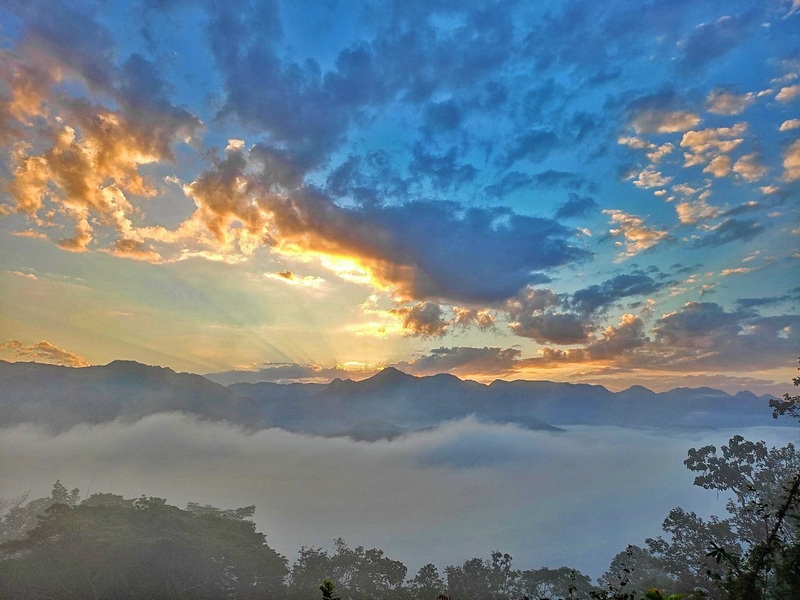
Wat Phra That Doi Kong Mu is a significant temple and elevated landmark associated with Mae Hong Son. Its position provides a broader visual relationship with the town and surrounding mountains, making it a useful complement to the more grounded experience of visiting Wat Kam Ko. The two temples can help travelers consider both local religious life and the physical setting in which the town developed.
Because it is an active religious site, visitors should use the same care with clothing, photography, and volume. Weather can affect views from elevated locations, so the experience should not depend entirely on clear skies. Even when visibility changes, the temple remains valuable as a place for quiet observation and cultural appreciation.
Where the Experience Leads Next
Wat Kam Ko becomes more meaningful when placed within the larger story of Mae Hong Son Province. It offers a respectful introduction to local Buddhist culture, while a loop from Chiang Mai provides the time and movement needed to understand the region beyond a single stop. Pairing the temple with Pha Bong Hot Spring and Wat Phra That Doi Kong Mu adds natural variety and a wider sense of place. With flexible planning, modest conduct, and attention to local rhythms, travelers can leave not only with photographs, but with a deeper appreciation of how culture and landscape meet in Mae Hong Son.


