Pai Memorial Bridge and the Living Heritage of Mae Hong Son
Reading a wartime landmark through memory, landscape, and the cultural character of northern Thailand
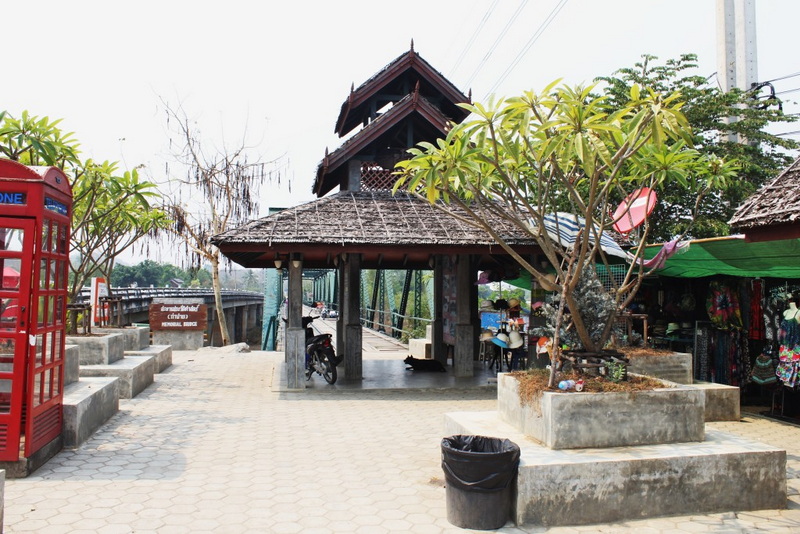
A bridge can be more than a way across a river. At the edge of Pai, the Pai Memorial Bridge stands as a reminder of how a local landscape was drawn into the wider events of the Second World War. Its dark metal structure, river setting, and modest memorial character invite visitors to look beyond a quick photograph and consider the people, labor, movement, and historical pressures connected with this crossing. Often called Tha Pai Memorial Bridge, the landmark is associated with the wartime road network built through northern Thailand under Japanese military administration. The present structure and its surrounding interpretation should be understood as a memorial representation rather than treated as an untouched wartime object. This distinction matters because heritage sites preserve both physical history and the ways later generations remember it. Viewed within Mae Hong Son Province, the bridge also reveals a regional story. Pai is part of a mountainous borderland shaped by movement between communities, valleys, forests, and trading routes. A visit therefore works best as a cultural pause within a broader journey, especially for travelers following the Mae Hong Son Loop Tour From Chiang Mai and seeking context rather than a checklist of attractions.
A Wartime Crossing in the Pai Valley
The Pai Memorial Bridge is widely linked to the period when Japanese forces controlled important parts of mainland Southeast Asia during World War II. Roads through the mountains were strategically significant, and a crossing over the Pai River formed part of that difficult transport landscape. Local historical accounts commonly describe a wartime bridge being constructed in the area in the early 1940s, using labor connected with the military road project. The story is therefore not simply about engineering; it is also about wartime authority and the burden placed on people living in the region.
The bridge is sometimes described as the Tha Pai World War II Memorial Bridge or the World War II Memorial Bridge Pai. These names point to its commemorative purpose, while also showing how tourism and local memory have given the site several overlapping identities. It is more helpful to read the landmark as a place of remembrance than as a battlefield monument. The landscape does not present war through dramatic ruins. Instead, history appears quietly in the route, the river, and the knowledge that ordinary residents experienced a global conflict close to home.
The structure seen today should not automatically be assumed to be the exact bridge used during the war. Bridges can be repaired, replaced, or reconstructed, and memorial sites often preserve a historical form after the original material has changed. That does not make the visit less meaningful. It highlights an important heritage principle: authenticity may involve the continuity of memory and place as well as the survival of old timber or metal. The Pai Historical Bridge connects present-day visitors with a remembered event while encouraging careful attention to what can and cannot be confirmed from the visible structure.
Pai and the Cultural Landscape of Mae Hong Son Province
The bridge becomes easier to understand when placed within Mae Hong Son Province. This mountainous province has long been shaped by geography. Narrow valleys, steep hills, rivers, and forested routes have influenced where settlements developed and how people traveled. The area is also home to diverse communities and cultural traditions, including Tai and other local identities whose histories should be approached with respect rather than reduced to a scenic image.
Pai’s contemporary reputation as a relaxed valley destination can sometimes conceal the depth of its regional history. Before modern tourism, the valley was already a lived-in place with agricultural activity, religious traditions, local trade, and connections across the mountains. The bridge belongs to this continuing landscape. It is not an isolated object removed from community life; it sits within a region where older patterns of movement and newer forms of travel overlap.
This perspective also helps avoid sensationalizing the wartime past. The bridge does not need exaggerated stories to be significant. Its value lies in opening questions about how roads were imposed, how communities adapted, and how historical memory is maintained. Visitors can approach the site with quiet curiosity: notice the river and surrounding terrain, consider why a crossing mattered, and remember that military infrastructure affected civilians as well as soldiers. Such attention gives the Pai Memorial Bridge a human scale.
Why the Bridge Matters on a Mae Hong Son Loop
For travelers arriving from Chiang Mai, the bridge is often encountered as one part of a longer northern journey rather than as a destination requiring an entire day. A Mae Hong Son Loop Tour From Chiang Mai places Pai within a sequence of mountain communities and provincial landscapes. In that setting, the bridge contributes historical depth to a route otherwise remembered mainly for viewpoints, winding roads, and outdoor scenery.
Regional tours can be understood in different ways. A fast sightseeing itinerary may allow only a short stop, while a more reflective journey can use the bridge as a prompt for learning about wartime mobility and the cultural geography of the province. The important difference is not the name of a package or the number of stops, but the attitude brought to the visit. Travelers interested in history may wish to ask guides how the bridge is remembered locally, distinguish documented information from popular retelling, and allow time to observe the site without treating it as a theatrical reconstruction.
The Pai Historical Bridge also shows why heritage travel should connect places rather than rank them. The river crossing, nearby temples, waterfalls, and village landscapes each express a different aspect of the region. A tour that links these experiences can reveal how natural geography influenced settlement, how spiritual life developed alongside daily work, and how twentieth-century conflict entered an older cultural setting. This broader reading is especially useful for visitors who want to understand Mae Hong Son rather than collect isolated photographs.
A Thoughtful Way to Read the Memorial
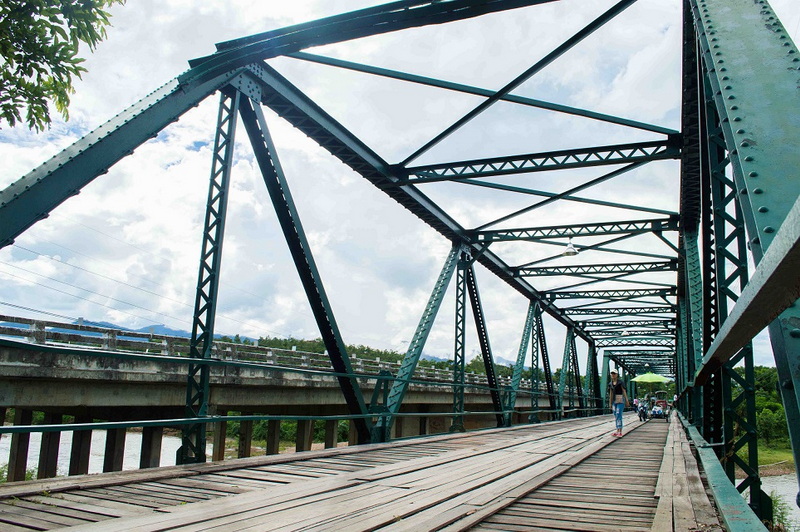
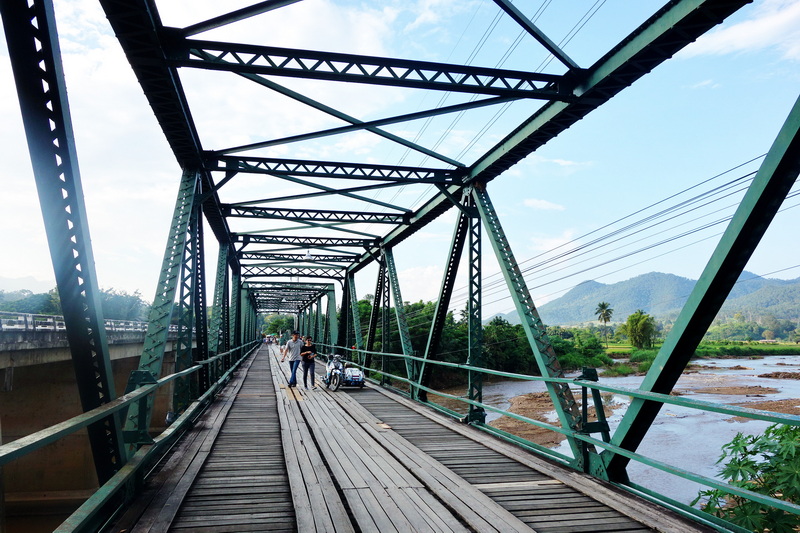
The physical scale of the bridge may surprise visitors. Its appeal is not based on monumental architecture but on atmosphere and association. The river below, the open valley, and the visible framework create a setting in which the past is suggested rather than fully displayed. That quietness can encourage a more responsible form of sightseeing. Instead of asking whether the bridge looks dramatic, consider what kinds of stories are absent from a simple view of its beams and roadway.
A respectful visit begins with restraint. The bridge is a memorial linked to a period of suffering and forced wartime labor, so playful behavior, careless posing, or invented historical claims can weaken its meaning. It is also wise to avoid presenting local communities as scenery or assuming that one visitor’s interpretation represents everyone’s memory. A neutral, attentive approach leaves room for local voices, museum materials, guides, and community knowledge to add detail.
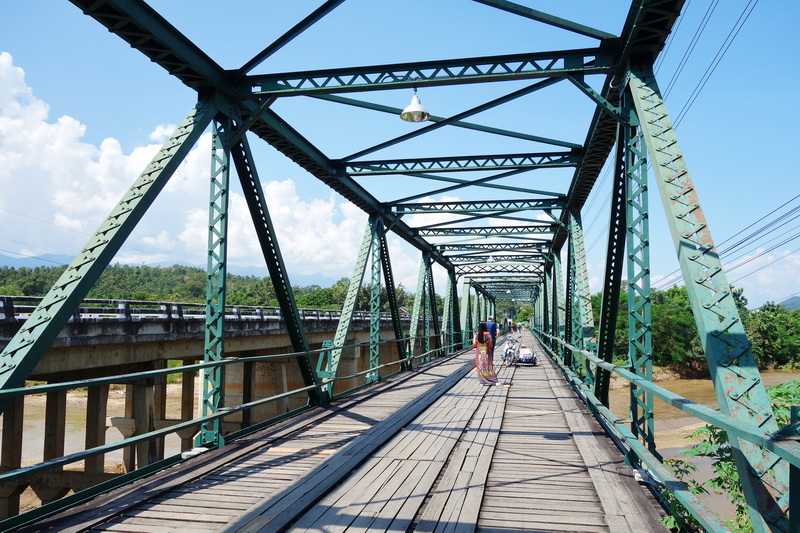
The site can be especially valuable for students of history because it illustrates how global events reach rural environments. World War II is often studied through major battles and political leaders, yet the bridge points toward less visible experiences: transport corridors, labor demands, disrupted routines, and the practical importance of mountain crossings. In this sense, the memorial is an educational threshold. It leads from a physical object to questions about power, memory, and the responsibilities of heritage tourism.
From a Bridge to a Larger Understanding
Pai’s historical identity is layered rather than fixed. The wartime association of the bridge is one layer, but it exists alongside Buddhist practice, agricultural life, local environmental knowledge, and the continuing movement of residents and visitors through the valley. Reading the site in this way prevents history from becoming a decorative label. The bridge is meaningful because it remains part of a living region, not because the past can be perfectly separated from the present.
The landmark also encourages a useful distinction between remembrance and recreation. A reconstructed or maintained structure can help people locate an event in the landscape, but it cannot reproduce the experience of those who lived through the war. Visitors should therefore treat the bridge as an entry point for inquiry, not as a complete historical record. Reliable local interpretation and careful research are more valuable than dramatic legends.
For culture-focused travelers, this may be the most lasting insight. A short stop at Memorial Bridge Pai Thailand can become a study of how places carry memory. The river continues to move, roads continue to bring people into Pai, and the province continues to change. Yet the bridge preserves a reason to pause and ask how regional landscapes remember difficult histories while remaining active parts of everyday life.
Nearby Attractions
Wat Phra That Mae Yen
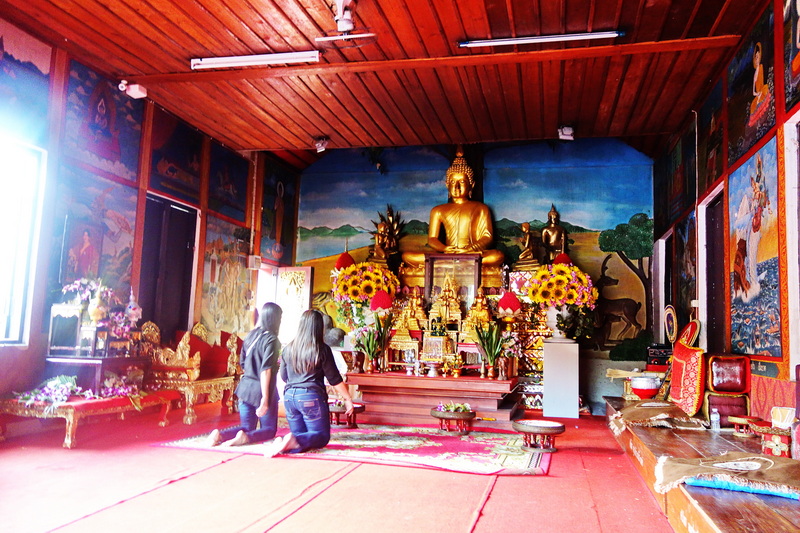
Wat Phra That Mae Yen adds a spiritual and cultural dimension to a visit centered on the bridge. Set on a hill above Pai, the temple is associated with views across the valley and with Buddhist practice that remains part of the area’s living identity. Its elevated setting offers a useful contrast to the bridge below: one place focuses attention on a crossing through the landscape, while the other encourages a wider view over the valley and its settlements.
The temple should be approached as an active religious site rather than only as a viewpoint. Visitors can dress respectfully, move quietly, and observe local customs when people are worshipping. In a regional history itinerary, Wat Phra That Mae Yen helps show that Pai’s heritage is not confined to wartime memory. Religious life, landscape, and community traditions continue to shape how the valley is understood.
Pam Bok Waterfall
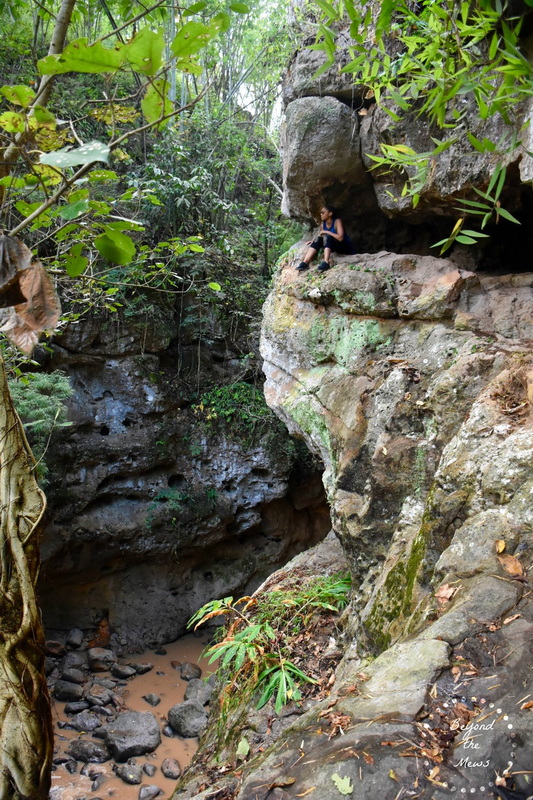
Pam Bok Waterfall provides a natural counterpoint to the historical focus of Pai Memorial Bridge. Water has practical and cultural importance in a mountainous valley, and a waterfall makes the force of the local terrain visible in a different way from the calm river beside the bridge. Visiting both places can help travelers recognize how roads, crossings, settlements, and routes have always depended on the region’s hills and waterways.
The waterfall is best considered part of the wider landscape rather than a separate spectacle. Conditions can vary with season and weather, so observation and care around wet or uneven ground are appropriate. Paired with the bridge, Pam Bok Waterfall creates a balanced interpretation of Pai: one stop raises questions about human history and conflict, while the other draws attention to the natural setting in which that history unfolded.
Where the Experience Leads Next
The Pai Memorial Bridge offers no single, complete explanation of Mae Hong Son’s past. Instead, it provides a modest but meaningful point from which to consider wartime history, local memory, regional geography, and the living culture of the Pai valley. Seen alongside Wat Phra That Mae Yen and Pam Bok Waterfall, the bridge becomes part of a wider conversation between heritage and landscape. A thoughtful visitor leaves not only with an image of the crossing, but with greater respect for the people and histories that give this place its significance.