Hill Tribe Tours in Chiang Mai Featuring the Lahu Hill Tribe
A practical guide to choosing respectful cultural tours and supporting community-led experiences in Northern Thailand
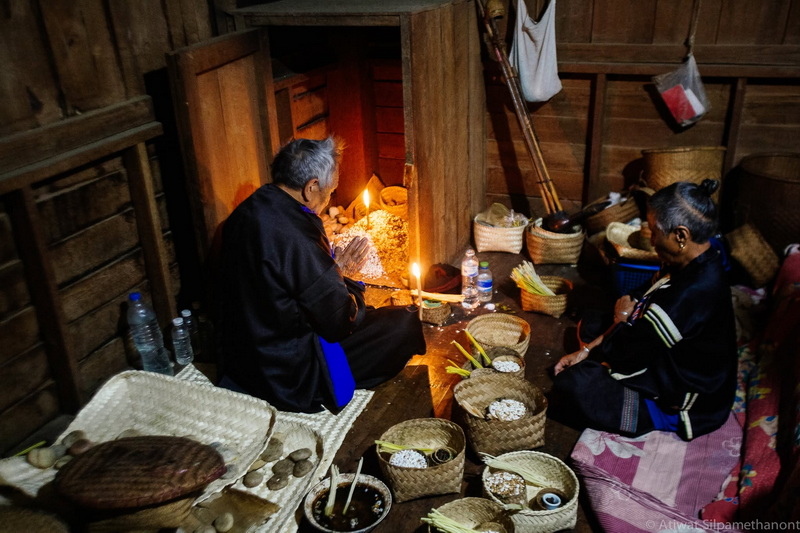
A visit to the Lahu Hill Tribe can be more meaningful when it is approached as a cultural exchange rather than a quick sightseeing stop. Travelers considering hill tribe tours from Chiang Mai may encounter village visits, guided cultural walks, craft demonstrations, food-focused encounters, or journeys that combine community experiences with the wider landscapes of Northern Thailand. The quality of such a visit depends not only on the destination, but also on how the tour is organized and how guests behave within the community. The Lahu are an Indigenous people with communities across parts of mainland Southeast Asia, including Northern Thailand. The name Muser is also widely used in Thailand in reference to Lahu communities, although names and identities should not be treated as interchangeable labels without context. This guide focuses on tour choices, visitor expectations, and practical ethics. It is intended to help responsible travelers ask better questions, respect local boundaries, and understand how a Chiang Mai itinerary can include cultural learning without reducing living communities to attractions.
What Hill Tribe Tours from Chiang Mai Can Offer
Tour formats vary, so travelers should first decide what kind of cultural engagement they want. A village-focused tour may emphasize conversation, local scenery, architecture, farming landscapes, or everyday community life. A culture-oriented outing may include explanations of clothing, music, food, weaving, or religious practices when residents have chosen to share them. Other tours place a community visit within a broader day of nature and countryside activities. These categories describe possible approaches, not guaranteed features of every operator.
Walking-based experiences can be especially useful for visitors who want a slower introduction to place. Rather than moving quickly between viewpoints, a guide may explain how the settlement relates to its surroundings and identify details that are easy for outsiders to miss. A craft or cooking activity can also create a more reciprocal setting, provided participation is voluntary and the activity reflects a real community initiative rather than a performance designed only for tourists.
Travelers searching for the Best Hill Tribe Tours Chiang Mai should look beyond dramatic descriptions and compare the principles behind each option. Important questions include who leads the visit, whether community members have a say in the experience, how photography is handled, and whether money reaches local households or organizations transparently. A tour that allows time for listening and learning may be more valuable than one that promises a long list of stops.
Understanding the Lahu and Muser Context
The Lahu are not a single, uniform community. Language, religious practice, family traditions, settlement history, and relationships with neighboring groups can differ from one place to another. For that reason, visitors should be cautious about broad claims presented as if they describe every Lahu person. A thoughtful guide will explain local context and acknowledge that culture is living, varied, and continually shaped by contemporary life.
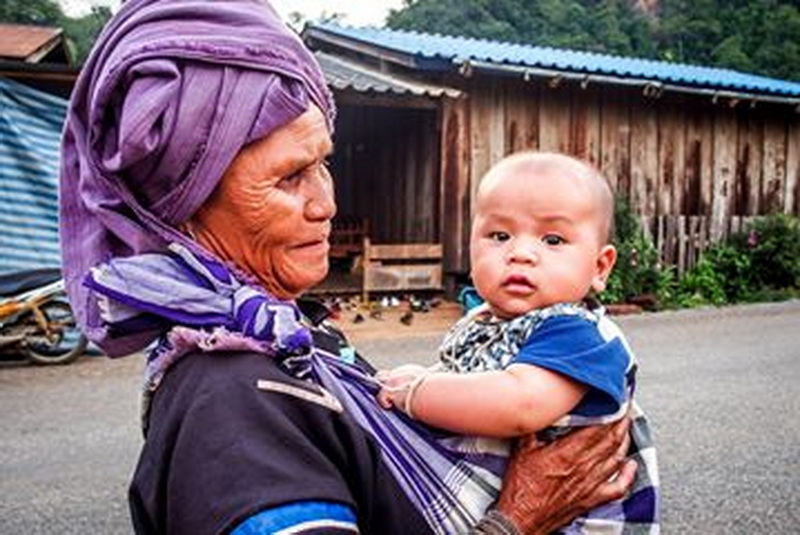
The term Muser is commonly used in Thailand for Lahu people and communities, while some people may prefer other names in particular settings. Searching for Muser Hilltribe information can help travelers find relevant cultural background, but search terms should not replace listening to the people being visited. The most respectful approach is to use the name offered by local residents or guides and to avoid turning a community label into a simplified tourist identity.
Cultural significance is found not only in visible traditions. Family relationships, language, land use, faith, work, education, and community decision-making are all part of a society's identity. Visitors may notice clothing or handicrafts first, but those outward details are only one part of a much deeper cultural picture. Asking open, non-intrusive questions and accepting that some subjects are private helps keep the encounter grounded in dignity rather than curiosity alone.
How to Judge an Ethical Cultural Visit
Ethical tourism begins before departure. Read the tour description carefully and look for clear information about community involvement, local guiding, consent, and financial benefits. Responsible operators should be able to explain how residents participate in planning or hosting the experience. They should also avoid language that presents people as untouched, primitive, or available for inspection. A community is not made more authentic by being frozen in the past.
Consent matters throughout the visit. Ask before taking photographs of people, homes, ceremonies, children, workspaces, or personal belongings. A polite refusal should be accepted immediately, without asking for a reason. Do not enter a house, religious site, or restricted area unless invited. If a guide translates a conversation, allow the resident to speak without repeatedly redirecting attention toward the visitor group.
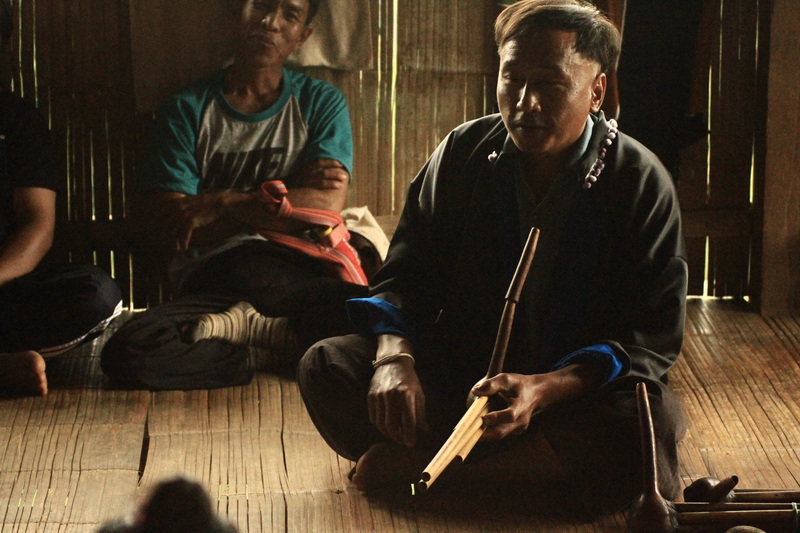
Purchasing locally made goods can be positive when it is done fairly and without aggressive bargaining. Travelers should ask whether products are made by community members and should value the time and skill involved. At the same time, buying is not an obligation, and respectful behavior should never depend on making a purchase. Avoid distributing sweets, money, or gifts directly to children, since this can encourage dependence or unequal treatment.
Environmental conduct is part of community respect. Carry reusable items where practical, reduce waste, follow local instructions, and avoid collecting plants, objects, or natural materials. Keep voices moderate and dress in a way that suits the setting. These simple choices communicate that visitors understand they are entering someone else's home and social space, not an exhibition arranged for their convenience.
Building the Visit into a Chiang Mai Itinerary
A Chiang Mai Trip Package can incorporate a Lahu cultural visit in different ways, depending on the traveler’s interests and the community arrangement available through the chosen provider. Some visitors may prefer to give the cultural experience most of the day, while others may combine it with scenery or another regional activity. The important planning question is not how many attractions can be fitted into one itinerary, but whether there is enough time for a calm and respectful encounter.
Before booking, clarify what the tour actually includes without assuming that promotional wording guarantees a particular activity. Ask whether the visit is hosted by local residents, whether interpretation is provided, and whether the group size is limited. It is also sensible to ask about appropriate clothing, photography expectations, accessibility, and what happens if a community activity is unavailable. A transparent answer is a useful sign that the operator understands cultural visits as relationships rather than products.
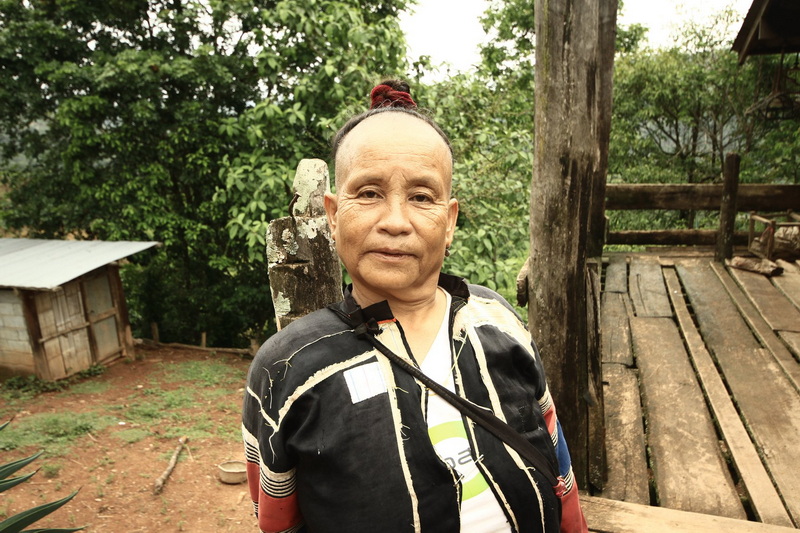
Travelers should also prepare emotionally for an experience that may feel less theatrical than expected. A village may look contemporary, and residents may be working, studying, or occupied with ordinary responsibilities. That does not make the visit less culturally important. Patience, observation, and a willingness to accept a quieter experience often lead to better understanding than a search for staged demonstrations or constant entertainment.
A Respectful Way to Participate
Begin by following the guide's introduction and observing the pace established by local hosts. Listen more than you speak, and avoid turning every conversation into an interview. Questions about food, language, work, or local history can be welcome when asked with genuine interest, but questions about income, legal status, marriage, or personal hardship may be intrusive. When in doubt, keep the conversation general and let the other person choose what to share.
Do not assume that a traditional-looking item, ceremony, or building exists for public display. Ask whether participation is appropriate, and never imitate sacred gestures or handle objects without permission. If a demonstration is offered, treat it as knowledge being shared rather than a show to be judged. Credit the skill and labor involved, and remember that the person explaining a tradition is not required to answer every question.
After the visit, responsible engagement can continue through honest feedback. Praise clear community participation and respectful guiding, and raise concerns privately with the operator when something felt inappropriate. Share photographs only when permission was given and avoid captions that exaggerate difference or suggest that residents are living outside the modern world. The most helpful story is one that recognizes agency, complexity, and ordinary human connection.
Where the Experience Leads Next
A visit centered on the Lahu Hill Tribe should leave travelers with greater understanding, not a collection of stereotypes. Choose a tour that explains community participation, protects consent, and allows residents to define what they wish to share. Whether the experience appears in a wider Chiang Mai itinerary or is the main purpose of the day, respectful behavior remains the essential element. Learning a little about Muser Hilltribe communities, listening carefully, and traveling with patience can help ensure that cultural tourism supports dignity as well as discovery.