Pang Ung in Mae Hong Son Province Along the Scenic Loop
A calm highland lake, living communities, and thoughtful connections across northern Thailand
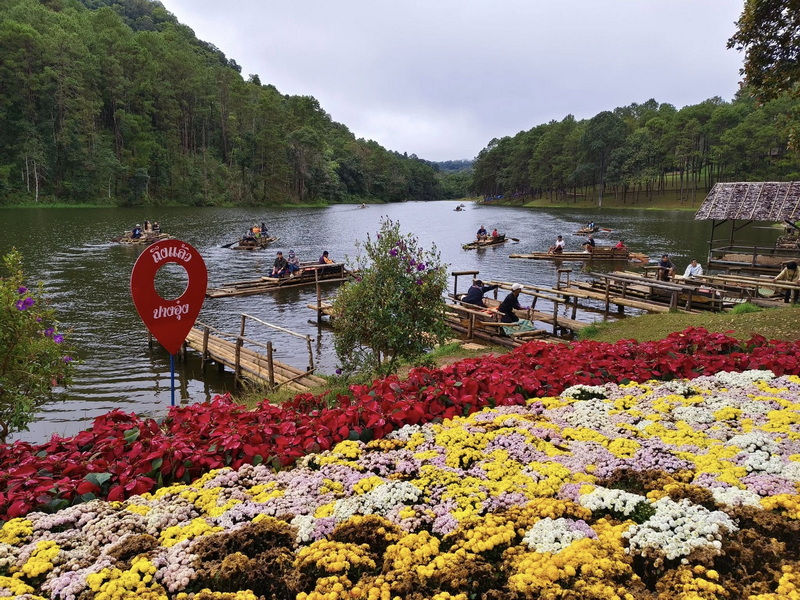
Pang Ung is a highland destination in Mueang Mae Hong Son District, where a reservoir, pine-covered slopes, and cool mountain air create a distinctive landscape in northern Thailand. Often called Pang Oung or Pangung in travel conversations, the area is especially known for early-morning mist drifting across the water and for the quiet rhythm of the surrounding forest. Its appeal becomes clearer when viewed within Mae Hong Son Province rather than as an isolated lake stop. The journey connects landscapes and communities shaped by the mountains, while nearby natural and wellness-focused sites add different dimensions to a regional visit. This makes Pang Ung suitable for travelers who want scenery, cultural awareness, and time to observe rather than rush from one landmark to another. The destination also appears in discussions of the Mae Hong Son Loop Tour From Chiang Mai. That phrase describes a broad touring concept around northern Thailand, not one universal itinerary or guaranteed operating schedule. Pang Ung can fit naturally into a longer circuit through Mae Hong Son, provided travelers allow enough time for mountain roads, changing conditions, and respectful engagement with local communities.
A Highland Landscape Shaped by Water and Forest
Pang Ung sits in a mountainous area north of Mae Hong Son town, close to the borderlands of Thailand and Myanmar. The elevation gives the landscape a cooler character than many lowland destinations, particularly around dawn and during the cooler part of the year. Sloping ground, tall trees, and open views across the reservoir form the visual identity of Pang Oung Lake, while the surrounding roads reveal how closely settlements and forest remain connected.
The lake is the central setting, but the atmosphere comes from the relationship between water and woodland. Reflections may appear on still surfaces in the morning, and low cloud can soften the outlines of the hills. Light changes quickly as the sun rises, so the same shoreline can look muted, silver, or richly green within a short period. Visitors who pause along the water often notice bird calls, moving clouds, and small details of vegetation as much as the broad panorama.
This environment deserves a gentle approach. Staying on established paths, keeping noise low, and taking rubbish away help protect the character that draws people here. The landscape is not simply a backdrop for photographs; it is part of a living highland environment used and cared for by nearby communities. Weather can also affect visibility, so a visit is best treated as an opportunity to experience changing conditions rather than as a promise of one particular view.
Reading Pang Ung Through Its Regional Culture
The area around Pang Ung reflects the cultural complexity of the Mae Hong Son highlands. The province includes communities with different linguistic, ethnic, and historical backgrounds, including Shan or Tai Yai traditions and several highland peoples. These identities should not be reduced to a single tourist image. A respectful visitor notices that villages are homes and working communities, not staged attractions designed solely for sightseeing.
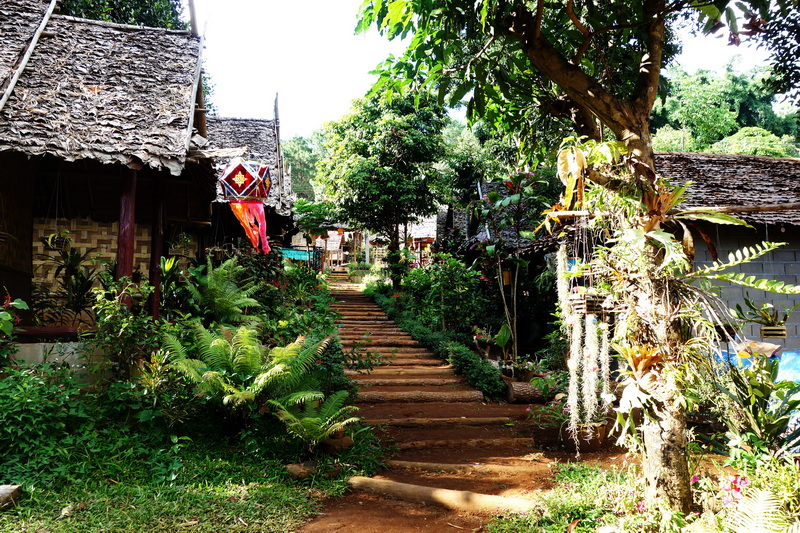
Local life is expressed through agriculture, food, religious practice, architecture, and everyday cooperation. Depending on the route and season, travelers may see cultivated plots, roadside produce, or homes adapted to a cooler mountain climate. These observations are most meaningful when made without entering private areas or photographing people without permission. Purchasing appropriate local products and following community guidance can provide support without turning cultural encounters into performances.
Pang Ung Thailand is therefore more than a scenic viewpoint. Its importance lies partly in the connection between conservation, settlement, and regional identity. Travelers can contribute by learning a few basic local courtesies, dressing sensibly when visiting religious or community spaces, and allowing residents to decide how they wish to interact. Appreciation becomes more genuine when it is based on attention and respect rather than assumptions about an unfamiliar culture.
How Pang Ung Fits the Mae Hong Son Loop
The Mae Hong Son Loop is a well-known road journey linking Chiang Mai with destinations such as Pai, Mae Hong Son, and other mountain communities. Its appeal comes from changing scenery: agricultural valleys give way to winding roads, forested ridges, viewpoints, and culturally varied settlements. Because the route covers a large region, travelers usually shape it according to available time, road preferences, and the places they most want to understand.
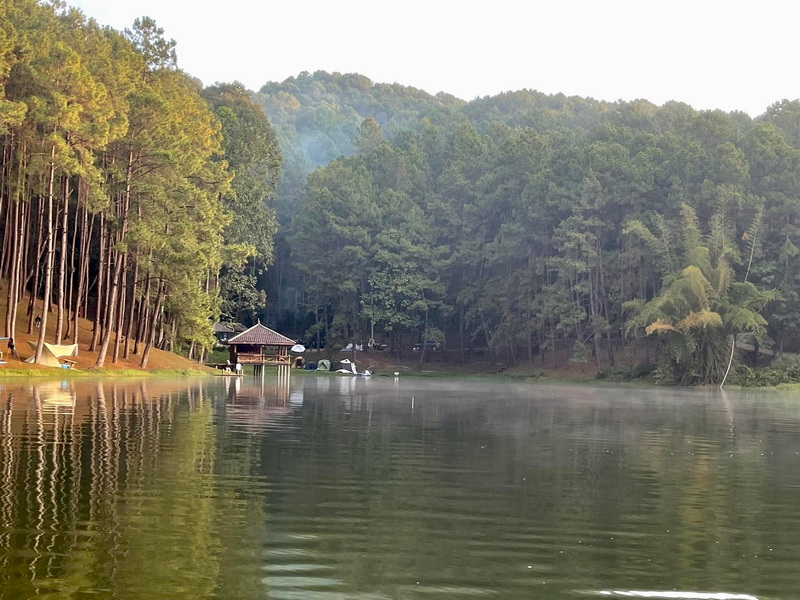
Searches for a Mae Hong Son Loop Tour From Chiang Mai often refer to several different travel styles. Some visitors imagine a private road journey, some look for a guided circuit, and others plan an independent drive with flexible stops. Pang Ung fits best as a deliberate extension near Mae Hong Son rather than as a quick roadside attraction. Its lake scenery is most rewarding when the schedule leaves room for quiet observation and does not treat the destination as a rushed photo stop.
A thoughtful loop plan considers mountain driving, rest, daylight, and weather before adding extra locations. Distances that look modest on a map may take longer on winding roads, and mist or rain can change the feel of the journey. Travelers should check current local conditions and access information through reliable sources before setting out. The broader lesson is simple: the loop is not only about collecting destinations, but also about understanding how geography shapes travel in Mae Hong Son.
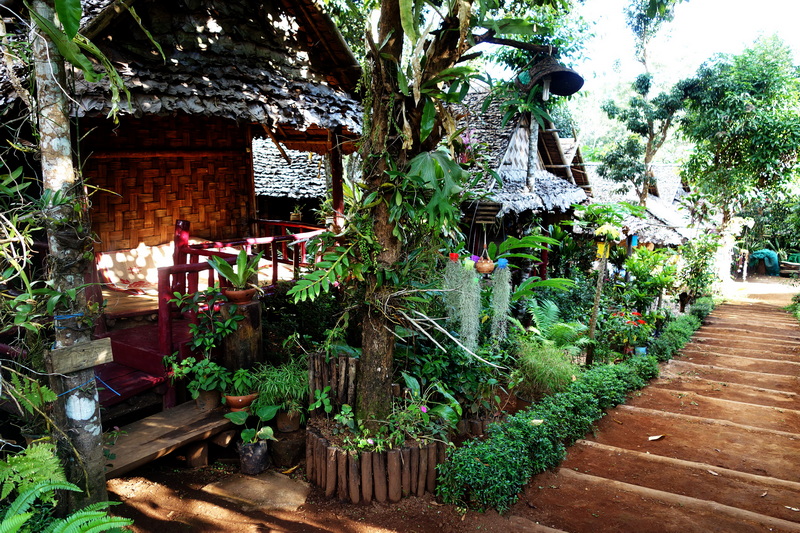
Making a Scenic and Responsible Visit
A calm visit begins with observation. At the lake, early light may reveal mist above the water, while later hours can emphasize the deep green of the hills. A walk or quiet pause allows the landscape to unfold without requiring a packed schedule. Photography is welcome when it does not block paths, disturb other visitors, or encourage people to enter fragile areas. The best images often come from patience rather than from searching for a dramatic pose.
Pang Ung Lake also invites a wider view of environmental responsibility. Avoid feeding wildlife, leave plants and natural materials where they are, and use designated waste facilities when available. Music and loud conversation can carry across the water, affecting both residents and other visitors. These small choices matter in a destination whose atmosphere depends on stillness and whose natural appeal could be weakened by unmanaged tourism.
For a first-time visitor, the most useful mindset is flexible curiosity. Conditions may differ from expectations, and a cloudy morning can be as memorable as a clear one. A Pang Ung Travel Guide can explain geography and possible connections, but it cannot replace attention to local advice. Whether arriving as part of a long circuit or a regional exploration, visitors gain more when they leave space for the lake, forest, and communities to be experienced on their own terms.
Extending the Landscape Beyond Pang Ung
The lake provides a quiet center for this part of the province, but the surrounding region reveals other relationships between nature, community, and travel. Two nearby places offer useful contrasts without taking attention away from Pang Ung’s highland character.
Phu Klon
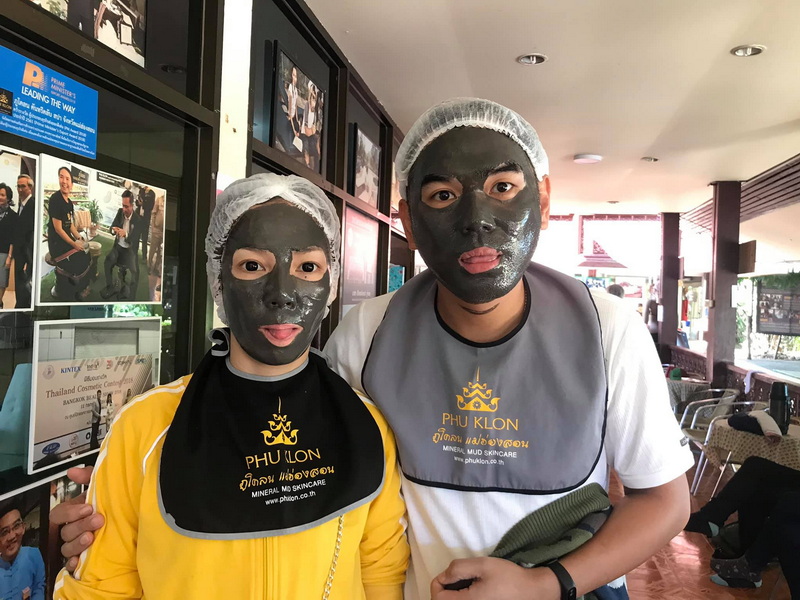
Phu Klon adds a different perspective to a Pang Ung journey through its natural mud resources and wellness-oriented setting. The site is associated with mineral-rich mud used in spa and skin-care experiences, making it distinct from the cool forest scenery around the lake. Its value for a regional itinerary is the contrast: after observing mountain water and woodland, visitors encounter a place where geology and local tourism are interpreted through personal care.
A visit should be approached as a cultural and environmental experience rather than as a promise of a particular treatment. Follow current site guidance, respect shared spaces, and consider how natural resources are presented and managed. Phu Klon works well as part of a broader Mae Hong Son visit because it shows another way the province connects landscape, community activity, and visitor interest.
Tham Pla - Namtok Pha Suea National Park
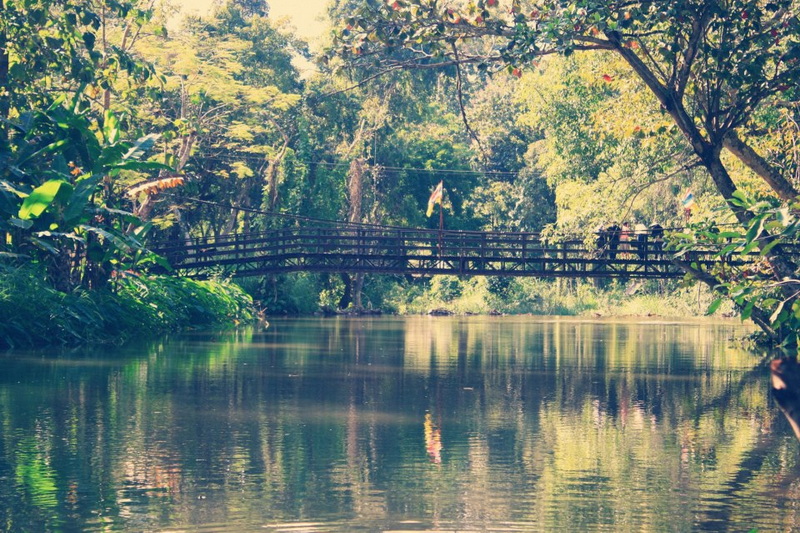
Tham Pla - Namtok Pha Suea National Park brings together forest, limestone features, streams, and a waterfall landscape in the wider Mae Hong Son area. Tham Pla is known for fish associated with the cave and stream environment, while Namtok Pha Suea provides a separate natural setting shaped by flowing water and forest. Together, these features demonstrate that the province's appeal extends beyond one famous lake.
The park is best understood through its habitats rather than through a checklist of viewpoints. Visitors should stay on appropriate routes, avoid disturbing aquatic life, and follow any seasonal or conservation instructions in force during the visit. Combined with Pang Ung Mae Hong Son, the park can help travelers see how water appears in several forms across the region: as a highland reservoir, a stream habitat, and a waterfall within protected forest.
A Wider Sense of Mae Hong Son
Pang Ung rewards travelers who look beyond a single photograph. Its misty water and forested hills create the immediate impression, while the surrounding communities, roads, and nearby natural sites give that impression deeper context. Seen within Mae Hong Son Province, the destination becomes one quiet chapter in a larger journey shaped by mountains and cultural variety. Whether included in a loop from Chiang Mai or visited as part of a slower regional exploration, Pang Ung encourages patience, respect, and curiosity. Those qualities make the landscape easier to appreciate and help ensure that future visitors encounter it with the same sense of calm.