Phu Chi Fa in the Landscape of Chiang Rai Attraction Tours
A mountain viewpoint, a changing sky, and a thoughtful way to experience northern Thailand
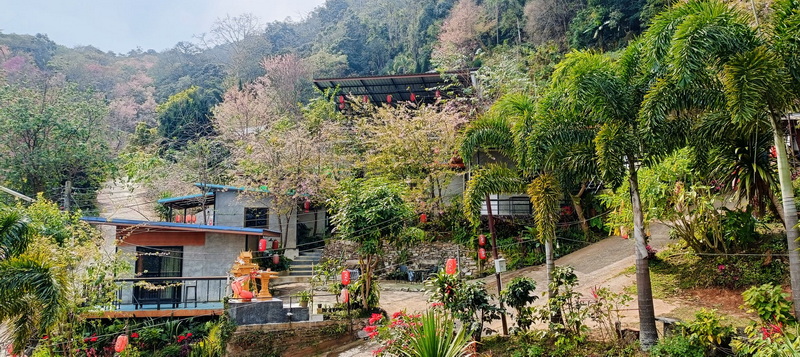
Among the many Attractions in Chiang Rai, Phu Chi Fa offers a perspective shaped less by monuments and more by altitude, weather, and the long folds of the northern landscape. Located in Thoeng District, the mountain is known for its distinctive rocky viewpoint and broad views toward the valleys along the Thai-Lao border. The experience is visual and atmospheric: a dark pre-dawn trail, cool mountain air, shifting clouds, and a horizon that gradually becomes visible as daylight arrives. Phu Chi Fa is especially meaningful within a regional sightseeing plan because it gives Chiang Rai a different rhythm from the city’s temples, markets, and tea-growing areas. It is not simply a stop to photograph and leave behind. Visitors encounter a landscape that rewards patience, suitable preparation, and attention to changing conditions. A package tour may place the mountain alongside other Chiang Rai highlights, but the viewpoint itself remains the central experience. For travelers considering a Chiang Rai Package Tour From Chiang Mai, Phu Chi Fa can represent the nature-focused part of a broader northern Thailand itinerary. Exact inclusions and arrangements vary between tour concepts, so it is more useful to understand the character of the destination first: what the scenery looks like, how the visit feels, and why the mountain works well as part of a carefully balanced regional route.
A Ridge Defined by Distance and Light
Phu Chi Fa is a mountain viewpoint rather than a conventional attraction with a long list of built facilities. Its appeal comes from the relationship between a high ridge and the surrounding landscape. From the viewpoint area, the eye moves across layered hills, wooded slopes, cultivated valleys, and distant elevations that can appear and disappear under mist. The scenery is spacious, making the destination feel quite different from the concentrated sights found in Chiang Rai city.
The mountain’s most recognizable feature is a rocky projection associated with its name, which is often interpreted as pointing toward the sky. This formation gives the viewpoint a clear visual identity, but the wider setting matters just as much. The surrounding ridge creates a natural frame for sunrise and changing weather, while the open outlook encourages visitors to slow down and observe rather than move quickly between attractions.
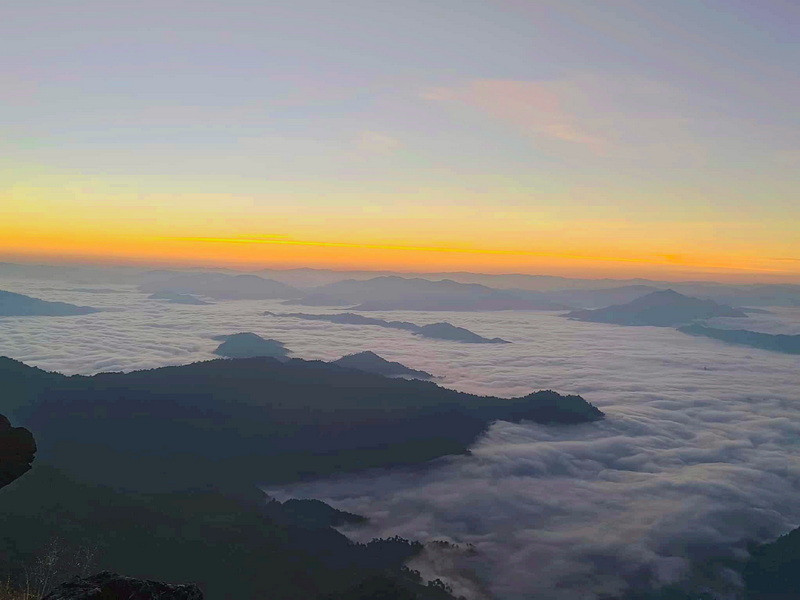
Conditions are part of the experience. On a clear morning, distant contours may be sharply defined, while clouds can soften the horizon and create a more subdued scene. Neither atmosphere is necessarily better; each reveals a different character of the mountain. Visitors who arrive with flexible expectations are more likely to appreciate Phu Chi Fa as a living landscape rather than as a guaranteed panorama.
What the Visit Feels Like
A visit commonly begins before the day feels fully awake, particularly for those hoping to see the first light from the viewpoint. The approach to the outlook includes a walk over uneven natural ground, so comfortable footwear and a steady pace are sensible considerations. The distance is not the only factor: darkness, cool temperatures, wind, and damp surfaces can influence how easy the walk feels for different visitors.
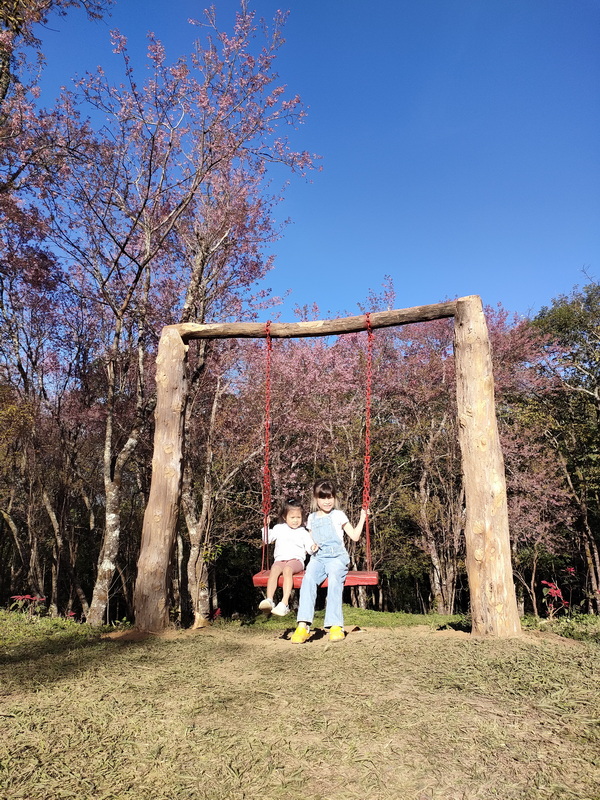
At the top, the experience is usually quiet and observational. People may gather along the viewpoint to watch the sky brighten, take photographs, or simply look across the valleys. A respectful visitor allows room for others, avoids blocking narrow viewpoints, and remembers that weather can change quickly in a mountain environment. The strongest memories often come from small details, such as the gradual change from shadow to color or the way low cloud settles between ridges.
Phu Chi Fa is not best understood as a place where every moment can be controlled. Visibility depends on season and daily weather, and sunrise colors cannot be promised. This uncertainty is part of the attraction for nature lovers. The mountain asks visitors to notice what is present rather than compare the morning with an idealized photograph.
Where Phu Chi Fa Fits in a Chiang Rai Tour
In a regional itinerary, Phu Chi Fa can provide a highland counterpoint to the cultural and urban sights of Chiang Rai. A broader tour may connect the mountain landscape with temples, local food, tea-growing scenery, or other natural areas, creating a progression from city environments to open countryside. The value of this combination is not simply the number of stops. It is the contrast between different ways of experiencing Chiang Rai Province.
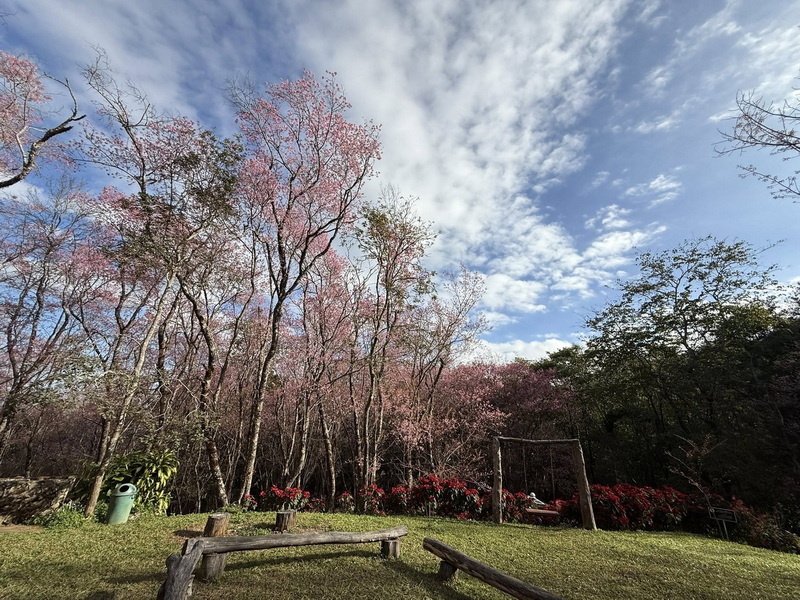
A Chiang Rai package tour from Chiang Mai is generally a travel concept rather than one fixed itinerary. Depending on the organizer and the tour’s purpose, Phu Chi Fa might be included as a major nature highlight within a multi-attraction route, or it might be considered as part of a longer regional plan. Visitors should examine the intended balance of sightseeing, walking, and time outdoors rather than assuming that every package treats the mountain in the same way.
The phrase Phu Chifa National Park is sometimes used in online searches and travel discussions, alongside names such as Phu Chi Fa National Park. Visitors may encounter variations including Phu Chi Fah or Phu Chee Fa. These names generally point to the same well-known mountain destination, but the important planning question is what a particular itinerary actually includes. Clear expectations help travelers appreciate the setting without relying on a standardized or overly promotional description.
Because the attraction is oriented toward scenery, it can suit travelers who enjoy photography, landscape observation, and quiet outdoor moments. It may be less suitable for anyone seeking an indoor attraction or a tightly scheduled sequence of activities. Responsible planning also means respecting local regulations, staying on appropriate paths, carrying away personal waste, and treating the mountain as a shared natural environment.
Making the Mountain Part of a Meaningful Day
The best role for Phu Chi Fa in a sightseeing package is often as an anchor rather than a hurried photo stop. Before the visit, travelers can consider whether they are comfortable with an early start, a walk on natural terrain, and the possibility of mist or limited visibility. These simple questions help match the attraction with the interests and abilities of the group without turning the mountain into a checklist item.
A thoughtful itinerary also leaves space for the surrounding region. The communities and landscapes near the mountain should not be presented as scenery arranged solely for visitors. Local life has its own continuity and dignity, and travelers can show respect by following guidance, asking before photographing people, and avoiding assumptions about local cultures. This approach makes the trip more responsible while also allowing the landscape to be encountered with greater attention.
For first-time visitors to northern Thailand, Phu Chi Fa can widen the idea of what Chiang Rai attractions include. The destination is not defined by a single building or an elaborate activity. Its character comes from elevation, open space, weather, and the feeling of standing at the edge of a much larger region. That quality makes it a useful inclusion in a package tour designed around varied experiences rather than repetitive sightseeing.
Extending the Landscape Beyond the Viewpoint
Phu Chi Fa can serve as the visual high point of a regional journey, but the surrounding destinations add texture to the experience. Two nearby places offer different ways to continue exploring Chiang Rai’s natural and cultivated landscapes.
Phu Sang National Park
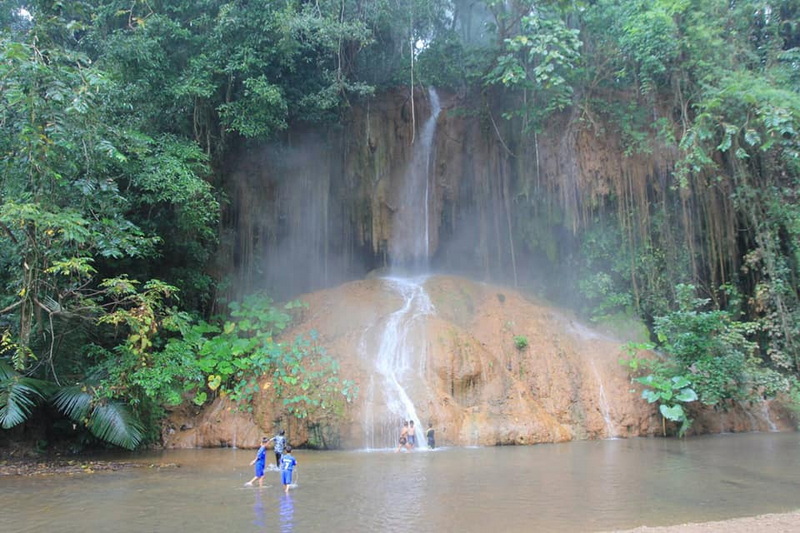
Phu Sang National Park offers a complementary nature experience for a regional itinerary. While Phu Chi Fa is associated with a high ridge and expansive views, Phu Sang is known for a different landscape character, including forested surroundings and natural features connected with warm water. The contrast can help visitors understand the variety within Chiang Rai Province, where mountain scenery, forest environments, and valley landscapes occur within the same broad travel region.
As part of a package concept, the park works best when treated as a separate ecological setting rather than as another version of the Phu Chi Fa viewpoint. Visitors can bring the same considerate habits: follow local instructions, avoid disturbing natural areas, and allow enough time to experience the setting at an unhurried pace.
Choui Fong Tea Plantation
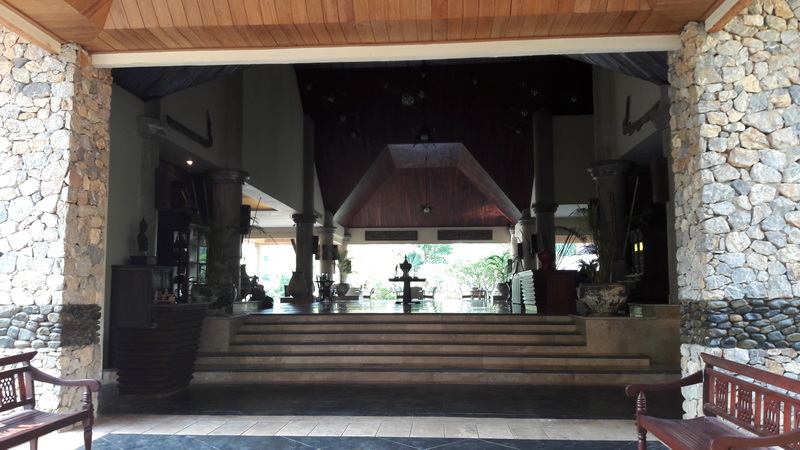
Choui Fong Tea Plantation adds an agricultural and scenic dimension to a Chiang Rai route. The neatly arranged tea-growing landscape presents a gentler visual rhythm than the mountain ridge, with cultivated slopes and open views that invite visitors to notice how the land is worked as well as how it looks. It can provide a useful contrast after a nature-focused visit to Phu Chi Fa.
The plantation also illustrates why a regional tour can be more rewarding when its stops are connected by theme and landscape. Tea cultivation, mountain weather, and rural scenery all contribute to the identity of northern Thailand, but they should be approached respectfully rather than reduced to a backdrop for photographs. Together, these places can extend the sightseeing story beyond a single viewpoint.
A Wider View of Chiang Rai
Phu Chi Fa stands out because it brings together a memorable mountain form, changing atmospheric conditions, and a wide sense of regional space. Within a Chiang Rai attraction package, it can balance cultural sights and city experiences with a quieter encounter with nature. Visitors who prepare for an outdoor setting, accept that weather shapes the view, and approach nearby communities respectfully will be better placed to enjoy what the mountain offers. The result is not only a sunrise viewpoint, but a clearer appreciation of the varied landscapes that make Chiang Rai such an engaging part of northern Thailand.